Activewear vs. Athleisure Scenario Checker
Select a scenario below to see our recommendation based on 2026 standards.
Recommendation: ACTIVETWEAR
Performance is criticalFunction over Fashion.
Your body will generate significant heat and sweat. You need moisture-wicking fabrics (polyester, nylon) to prevent chafing and odor.
- ✅ Look for: Flatlock seams, 4-way stretch.
- ❌ Avoid: Cotton, fleece, heavy knits.
Recommendation: ATHLEISURE
Style meets ComfortPolished Appearance.
Traditional gym gear with loud logos is usually inappropriate here. Aim for structured silhouettes that look professional but feel comfortable.
- ✅ Look for: Wool blends, tailored joggers, blazers.
- ❌ Avoid: Mesh panels, neon colors, compression gear.
Recommendation: HYBRID / SOFT ACTIVETWEAR
Movement & MeditationComfort & Stretch.
Unless it's hot yoga, you don't need heavy tech. Focus on softness and range of motion. If doing Power Yoga, switch to technical fabrics.
- ✅ Look for: Soft jersey, matte finishes, grip soles.
- ❌ Avoid: Stiff denim textures, bulky pockets.
Recommendation: ATHLEISURE
Aesthetic FocusedLook Good, Feel Relaxed.
This is the sweet spot for athleisure. You want clothes that look like you *could* go to the gym, but are actually designed for sitting and sipping.
- ✅ Look for: Oversized hoodies, trendy leggings, pastels.
- ❌ Avoid: Technical running tights with reflective strips.
Recommendation: ATHLEISURE
Durability & StyleVersatility is Key.
You need comfort for long sits but must look presentable upon arrival. Avoid purely technical fabrics that look too 'gym-focused' at the airport lounge.
- ✅ Look for: Structured knits, neutral tones, wrinkle-resistant fabrics.
- ❌ Avoid: Heavy cotton (gets heavy), tight compression gear.
Have you ever stood in front of your closet, holding a pair of leggings, and wondered if they were suitable for a high-intensity interval training session or just a coffee run? You are not alone. The lines between what we wear to sweat and what we wear to sit have blurred significantly over the last decade. This confusion isn't just about fashion trends; it affects performance, comfort, and even how long your clothes last.
The short answer is that activewear is designed for movement, while athleisure is designed for lifestyle. One prioritizes function; the other prioritizes form. Understanding this distinction helps you buy smarter, dress appropriately for different occasions, and avoid looking out of place-or worse, injuring yourself because your gear wasn't up to the task.
The Core Purpose: Function vs. Fashion
To understand the difference, we need to look at the primary goal of each category. Activewear exists to support physical activity. When you buy activewear, you are investing in technology that manages moisture, supports muscles, and allows for a full range of motion. Think of it as equipment. If you are running a marathon, lifting heavy weights, or playing tennis, activewear is non-negotiable.
Athleisure, on the other hand, is a portmanteau of 'athletic' and 'leisure.' It borrows the aesthetic of sports clothing but strips away many of the technical requirements. Its purpose is to make you look like you could go to the gym, even if you're just going to the grocery store. It prioritizes style, fit, and versatility over breathability or compression.
Consider the fabric. Activewear often uses synthetic blends like polyester, nylon, and spandex engineered to wick sweat away from your body. Athleisure might use cotton, jersey, or softer blends that feel great against the skin but trap heat and moisture during intense exercise. Wearing cotton jeans-style joggers to a spin class is a classic athleisure mistake-they will chafe, get heavy with sweat, and dry slowly.
Fabric Technology and Material Science
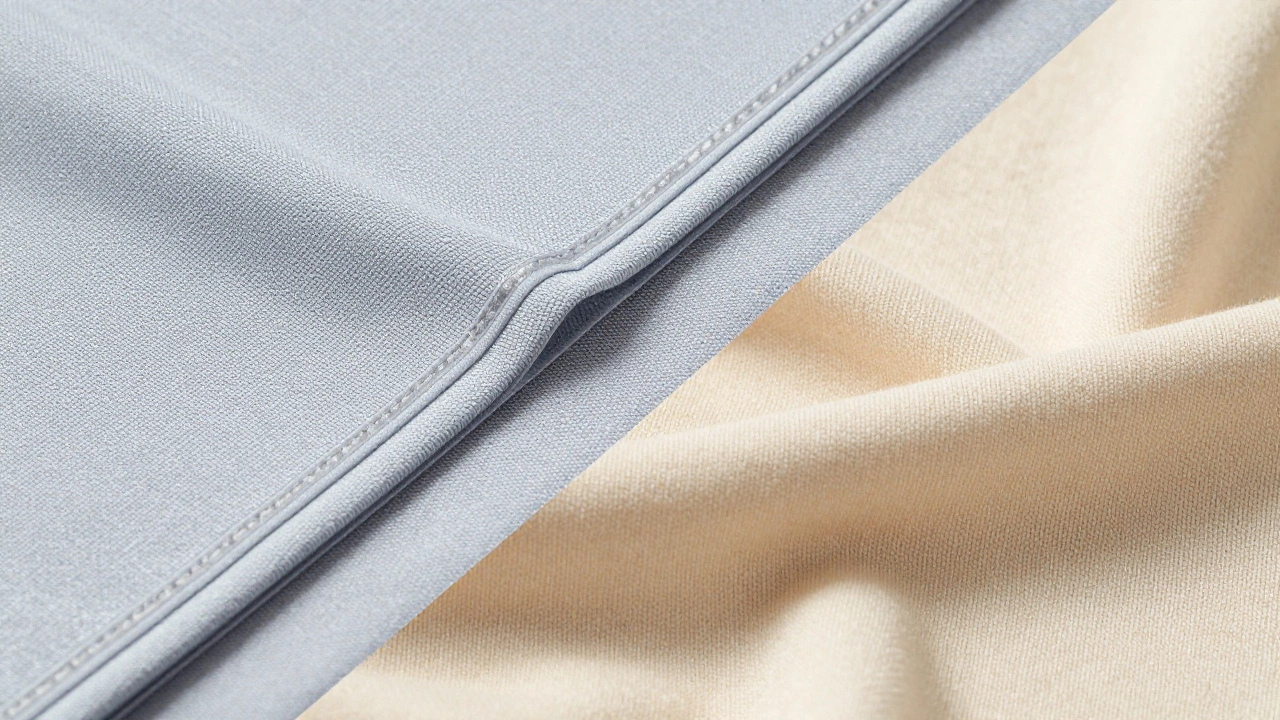
The materials used in these two categories tell a story about their intended use. Activewear relies heavily on advanced textile engineering. Brands invest millions in developing fabrics that offer four-way stretch, compression support, and antimicrobial properties. For example, many activewear pieces feature flatlock seams to prevent chafing during repetitive movements like running or cycling.
Athleisure fabrics are chosen for their drape and texture. You will find more natural fibers, thicker knits, and structured materials that hold their shape without being stretched out. A wool-blend sweater paired with sleek leggings is a staple athleisure look. It looks polished and put-together, but it would be disastrous for a HIIT workout. The wool would retain moisture, making you cold and uncomfortable once the sweat sets in.
- Activewear Fabrics: Moisture-wicking polyester, breathable mesh, compression nylon, quick-dry blends.
- Athleisure Fabrics: Cotton blends, soft jersey, fleece, denim-like textures, structured knits.
If you touch the garment and it feels slick, cool, or tightly woven, it’s likely activewear. If it feels soft, plush, or matte, it’s probably athleisure. This tactile test is a quick way to determine where an item belongs in your wardrobe rotation.
Design Cues: How to Spot the Difference
Beyond fabric, design elements signal intent. Activewear is built for visibility and security. You’ll see reflective strips for night runs, high-rise waistbands with wide bands to stay in place during squats, and pockets with zippers to secure phones and keys. The silhouettes are often streamlined to reduce drag or provide muscle support.
Athleisure focuses on trend-driven details. Think oversized hoodies, cropped jackets, statement logos, and decorative stitching. These elements add visual interest but can interfere with movement. A hoodie with a massive front pocket might slide around uncomfortably during a burpee. An oversized jacket might restrict shoulder mobility during overhead presses.
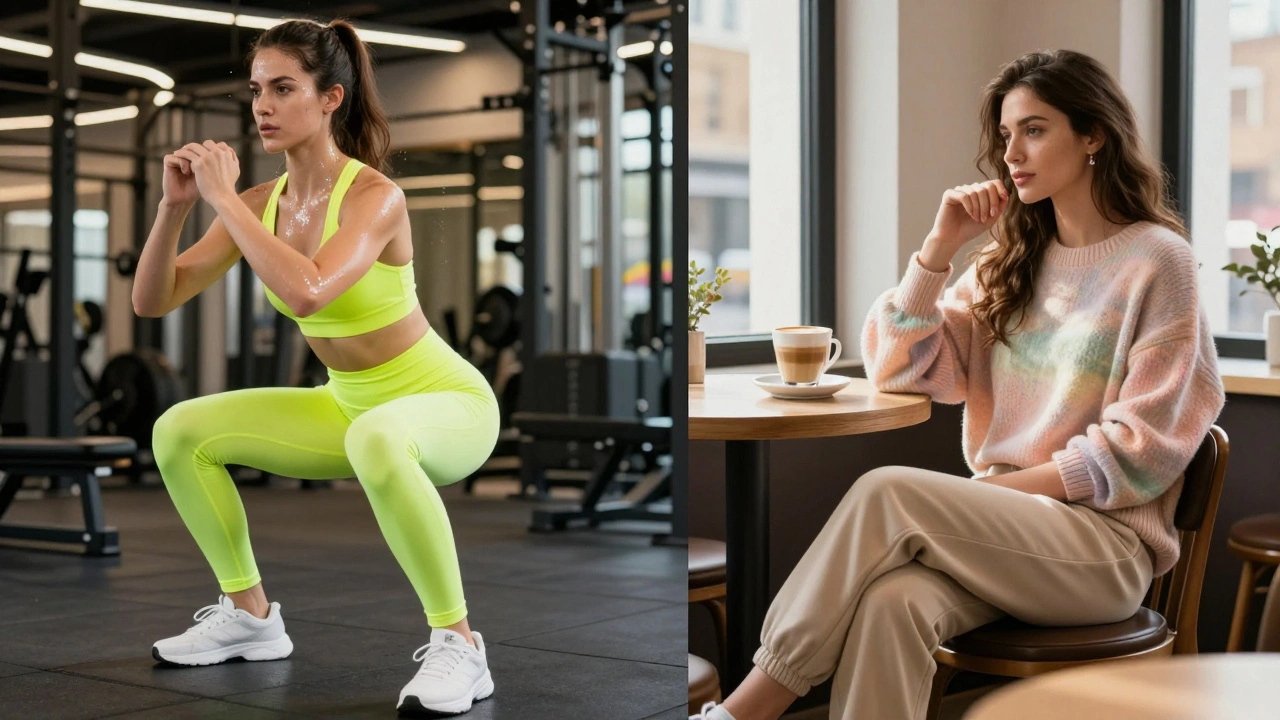
Color palettes also differ. Activewear often features bold, high-contrast colors for safety and energy. Neon greens, bright oranges, and stark blacks dominate. Athleisure leans toward neutral tones, pastels, and earthy hues that integrate seamlessly into urban environments. A beige tracksuit fits perfectly in a co-working space or a brunch setting, whereas neon yellow shorts scream 'gym only.'
When to Wear Each Category
Knowing when to switch between activewear and athleisure prevents social faux pas and ensures comfort. Here is a simple guide based on common scenarios in 2026.
| Scenario | Recommended Style | Why? |
|---|---|---|
| High-Intensity Workout (HIIT, Running) | Activewear | Needs moisture management and unrestricted movement. |
| Casual Brunch or Coffee Run | Athleisure | Prioritizes style and comfort for sitting/walking. |
| Office (Casual Friday) | Athleisure | Looks polished enough for professional settings. |
| Yoga or Pilates | Activewear (or hybrid) | Requires stretch and grip, but lower intensity than running. |
| Travel | Athleisure | Comfortable for long sits, stylish enough for airports. |
Note the yoga exception. While yoga is exercise, many practitioners prefer softer, less technical fabrics that allow for meditation and relaxation. However, if you are doing power yoga or hot yoga, stick to technical activewear fabrics that handle sweat better.
The Rise of Hybrid Clothing
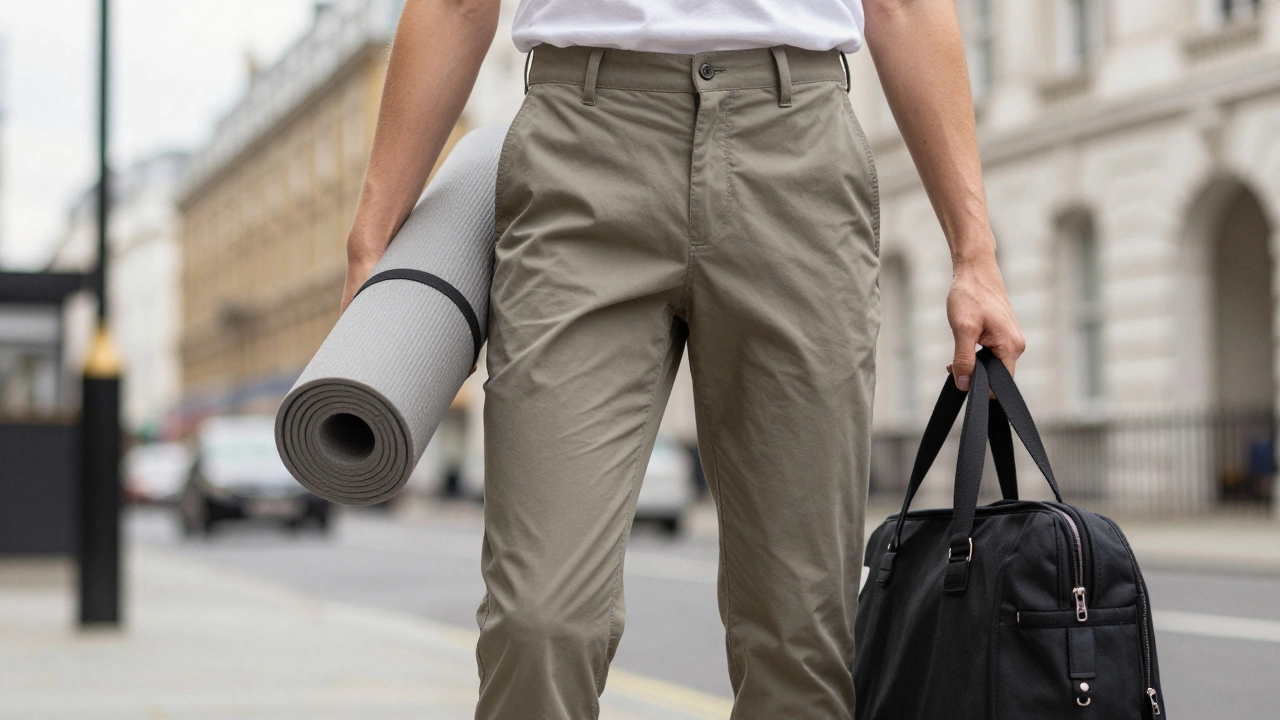
In 2026, the line is blurring further with the rise of hybrid clothing. Many brands now produce 'performance casual' items that bridge the gap. These pieces use activewear technology but feature athleisure aesthetics. For instance, a pair of trousers that looks like tailored chinos but is made from stretchy, moisture-wicking fabric.
This trend responds to the modern lifestyle where people move between work, gym, and social events without changing clothes. If you value versatility, look for labels that mention 'technical fabric' but describe the fit as 'relaxed' or 'structured.' These hybrids offer the best of both worlds: you won’t overheat during a commute, and you won’t look sloppy at a meeting.
However, be cautious. True hybrids are rare. Most 'lifestyle' gyms still require proper activewear for safety reasons. Don’t assume a stylish piece is functional just because it has a logo. Check the care label. If it says 'machine wash cold' and 'do not tumble dry,' it’s likely delicate athleisure. If it says 'quick-dry' and 'resists odors,' it’s activewear.
Cost and Durability Considerations
Price tags can be misleading. Activewear often costs more due to research and development in fabric technology. You pay for the engineering that keeps you dry and supported. Athleisure can be expensive too, but you’re paying for brand prestige, design, and material quality rather than performance metrics.
Durability differs as well. Activewear is built to withstand rigorous washing cycles and stretching. High-quality activewear retains its shape after hundreds of workouts. Athleisure, especially items with natural fibers or delicate embellishments, may pill, fade, or lose structure faster. Treat your activewear as a tool and your athleisure as a fashion investment.
If you are on a budget, prioritize buying good activewear for actual exercise. Cheap activewear can lead to discomfort or injury. Save your money for athleisure pieces that you rotate less frequently and don’t subject to sweat and friction.
Making Smart Buying Decisions
Next time you shop, ask yourself one question: "Where will I wear this most?" If the answer involves sweating, moving vigorously, or spending hours in a static position with heat buildup, choose activewear. If the answer involves sitting, walking casually, or making a style statement, choose athleisure.
Don’t fall for marketing jargon. Terms like 'performance' and 'lifestyle' are often used interchangeably by retailers. Look at the specs. Read the fabric composition. Feel the material. Your body will thank you for choosing the right gear for the job.
Can I wear athleisure to the gym?
It depends on the activity. For low-intensity exercises like light yoga or stretching, athleisure is fine. However, for cardio, weightlifting, or high-sweat activities, athleisure is not recommended. Fabrics like cotton will trap sweat, leading to chafing, odor, and discomfort. Always prioritize moisture-wicking activewear for intense workouts.
Is activewear considered professional attire?
Generally, no. Traditional activewear with loud logos, mesh panels, or tight compression fits is not suitable for most professional environments. However, athleisure-such as sleek leggings paired with a blazer or a clean turtleneck-can be acceptable in casual office settings. Always check your workplace dress code.
How do I know if my leggings are activewear or athleisure?
Check the fabric content and opacity. Activewear leggings are usually made of synthetic blends (nylon/spandex) and are opaque even when stretched. They often have a gusseted crotch for mobility. Athleisure leggings may contain cotton, be sheer when stretched, and lack technical features like zippered pockets or reflective details.
What is the biggest mistake people make with activewear?
The biggest mistake is wearing activewear for daily casual activities without considering hygiene and durability. Sweat and bacteria break down elastic fibers over time. Washing activewear after every wear is essential, but frequent washing of non-sweaty athleisure items can ruin them. Also, wearing ill-fitting activewear can cause injury or restrict movement.
Are there eco-friendly options for both activewear and athleisure?
Yes. Many brands now offer sustainable activewear made from recycled plastics (like rPET) and organic cotton athleisure. Look for certifications like GOTS (Global Organic Textile Standard) or OEKO-TEX. Sustainable activewear often uses durable synthetics, while eco-athleisure focuses on biodegradable natural fibers. Both sectors are improving their environmental impact in 2026.