
First Bra Size Estimator
Enter Measurements
Use a flexible measuring tape. Ensure the tape is parallel to the floor.
Enter your measurements to see the recommended band and cup size.
Estimated Size
Band:
Cup Difference:
Note: This is an estimate. For a first bra, soft cups or training bras in Small/Medium/Large are often more comfortable than precise sizing during growth spurts. Always prioritize comfort over exact numbers.
There is no single number that answers the question of at what age a girl should wear a bra. You won’t find a magic calendar date where every child suddenly needs support. Instead, the decision comes down to physical development and personal comfort. Most girls begin showing signs of puberty between ages 8 and 13. This is typically when the conversation about bras starts.
The goal isn't to rush them into adult lingerie or make them feel self-conscious about their bodies. It’s about providing gentle support as their bodies change. For many families, this transition feels awkward. But with the right information, you can turn it into a simple, positive step in growing up.
Signs That It Is Time for a First Bra
Physical changes are the most reliable indicator. You don’t need to guess based on age alone. Look for these specific signals:
- Budding: Small lumps form under the nipple area. This is often the very first sign of breast development (Tanner Stage 2). At this stage, breasts are small but sensitive.
- Sensitivity: Your daughter mentions that her chest feels tender, sore, or itchy. Regular clothing might rub against her skin and cause irritation.
- Visible Outline: If she wears tight t-shirts or thin fabrics, you might see the outline of her nipples or breast tissue. Some girls feel exposed without coverage.
- Activity Discomfort: During sports like running, dancing, or gymnastics, bouncing can be uncomfortable or painful even if breasts are small.
If any of these happen, it is usually time to introduce some form of chest support. This doesn't mean a full underwire bra immediately. It often means starting with something much softer and simpler.
Soft Cup Bras vs. Training Bras
When shopping for a first bra, you will likely see terms like "training bra" or "soft cup." These are essentially the same thing. They are designed for early development.
| Feature | Soft Cup / Training Bra | Standard Underwire Bra |
|---|---|---|
| Structure | No wires, minimal padding | Firm cups, metal/plastic wires |
| Support Level | Light containment and coverage | High support and shaping |
| Comfort | Feels like a camisole or tank top | Can dig into skin if ill-fitting |
| Best For | Early budding, sensitivity, light activity | Fully developed breasts, larger sizes |
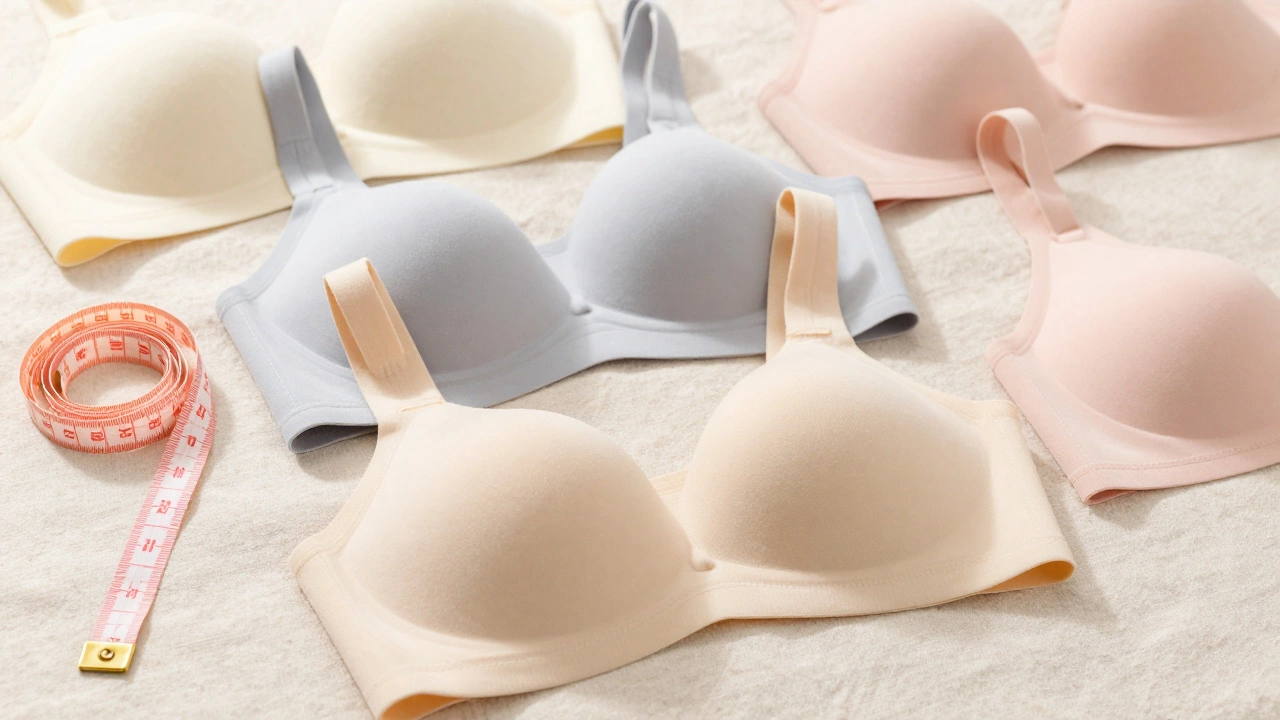
Avoid underwires for the first bra. Wires are meant to lift heavier breast tissue. On a developing body, they can cause chafing, pressure points, and discomfort. Stick to seamless, wireless options made from breathable cotton or modal blends. These materials reduce irritation and allow skin to breathe.
How to Measure for a Proper Fit
Getting the fit right prevents rashes and ensures comfort. You don’t need professional equipment; a flexible measuring tape works fine. Here is how to do it simply:
- Measure the Band: Wrap the tape snugly around the ribcage, just under the bust. Make sure it sits parallel to the floor. Round the number to the nearest inch. If it’s an odd number, add one inch. This is your band size (e.g., 28, 30).
- Measure the Bust: Wrap the tape around the fullest part of the chest. Keep the tape loose enough so it doesn’t compress the tissue. Note this number.
- Calculate Cup Size: Subtract the band measurement from the bust measurement. The difference determines the cup:
- 0-1 inch: AA or A cup
- 2 inches: B cup
- 3 inches: C cup
For very young girls, measurements can change weekly. Don’t stress over precision. The goal is a range. If a bra feels tight across the back or leaves red marks, it’s too small. If the straps slip off constantly or there’s gaping in the cups, it’s too big. Many brands offer "small," "medium," and "large" youth sizes instead of traditional band/cup numbers. These are easier to manage during rapid growth spurts.
Talk About Body Positivity Early
The physical aspect is only half the equation. How you frame this change matters deeply. Girls absorb societal messages about bodies quickly. Use this moment to reinforce that breasts are natural, functional parts of the human body, not objects for others' approval.
Avoid comments that focus on appearance, such as "You look grown-up now." Instead, focus on function and comfort. Say things like, "This helps keep you comfortable while you run" or "This covers your skin so clothes don’t rub." Normalize the experience by sharing your own memories briefly, if appropriate. Let her know that everyone develops at different speeds, and both early and late development are normal.
Empower her to choose. Take her shopping (or browse online) and let her pick colors, patterns, or styles she likes. Giving her agency reduces anxiety. She might prefer a bright pink patterned bra over plain white. That’s fine. Ownership makes the garment feel like hers, not a mandate.

Addressing Common Concerns
Parents often worry about whether skipping a bra harms development. The short answer is no. There is no medical evidence that wearing a bra prevents sagging or alters growth. Breasts grow due to genetics and hormones, not external support. However, lack of support can lead to temporary pain during exercise or daily movement. Support is about comfort, not correction.
Another concern is peer pressure. If friends are wearing bras and she isn’t, she may feel left out. Conversely, if she starts earlier than peers, she might feel exposed. Reassure her that timing varies wildly. Some girls start at 9, others at 14. Neither is wrong. Encourage open dialogue so she can express feelings without judgment.
Transitioning to Regular Bras
As her body matures, soft cups may no longer provide enough coverage or support. Signs include visible bulges through fabric, straps digging in despite correct sizing, or complaints of back/shoulder pain. This is the cue to try standard T-shirt bras.
T-shirt bras have smooth, seamless cups that hide lines under fitted shirts. They offer more structure than training bras but remain wireless or lightly padded. When transitioning, measure again. Growth spurts can shift sizes significantly within months. Invest in quality basics. Cheap synthetic fabrics trap heat and irritate sensitive skin. Look for moisture-wicking properties if she’s active.
Teach her how to care for bras. Hand washing extends life and maintains shape. Machine washing in a delicate bag is acceptable but can stretch elastic faster. Rotate bras so each gets rest between wears. Elastic loses tension over time, leading to poor support.
Is it okay for an 8-year-old to wear a bra?
Yes, if she is experiencing physical changes like budding or sensitivity. Age alone does not determine readiness. If she feels comfortable and needs coverage or support, a soft cup bra is appropriate. Focus on comfort rather than societal expectations.
Do girls need to wear bras all day?
Not necessarily. Many girls wear bras during school or activities and remove them at home for comfort. As breasts grow, some prefer continuous support. Let her decide based on her comfort level. There is no health requirement to wear one 24/7.
Can wearing a bra stop breast growth?
No. Breast growth is driven by hormones and genetics. External clothing has no impact on development speed or final size. Bras provide support and comfort but do not alter biological processes.
What if my daughter refuses to wear a bra?
Respect her choice unless she experiences pain or significant embarrassment. Try different styles-some dislike the feeling of straps or bands. Camisoles with built-in shelf bras can be a compromise. Never force the issue; revisit the conversation later if needs change.
How do I know if a bra fits correctly?
The band should sit level around the torso without riding up. Straps shouldn’t dig into shoulders. Cups should contain tissue fully without spilling over or gaping. She should move freely without discomfort. If she adjusts it frequently, it likely doesn’t fit well.