Summer Coolness Optimizer
Select your outfit details and click calculate!
Scientific Breakdown:
The Basic Science of Color and Heat
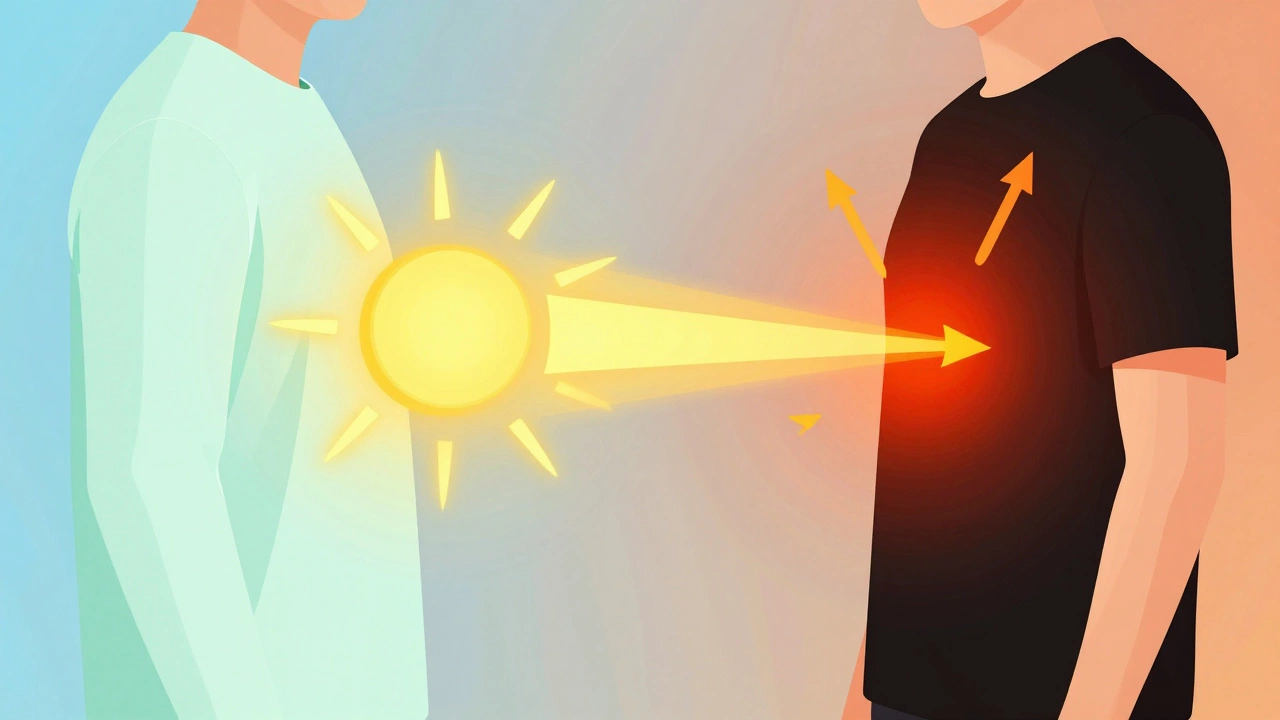
To understand which colors keep you cool, we have to look at how light works. Sunlight is made of different wavelengths, and when those waves hit your clothes, they are either absorbed, reflected, or transmitted. Absorption is the key here. Dark colors, especially black, absorb almost all wavelengths of light and convert them into heat energy. Light colors, on the other hand, reflect most of that energy back into the environment.
Think about a black car parked in the sun for three hours. If you touch the hood, it's scorching. Now imagine a white car in the same spot. The white car stays significantly cooler because it doesn't soak up the sun's radiation. Your clothes work exactly the same way. When you wear a dark color, you're essentially wearing a heat sponge that traps energy right against your skin.
White vs. Light Colors: Which Wins?
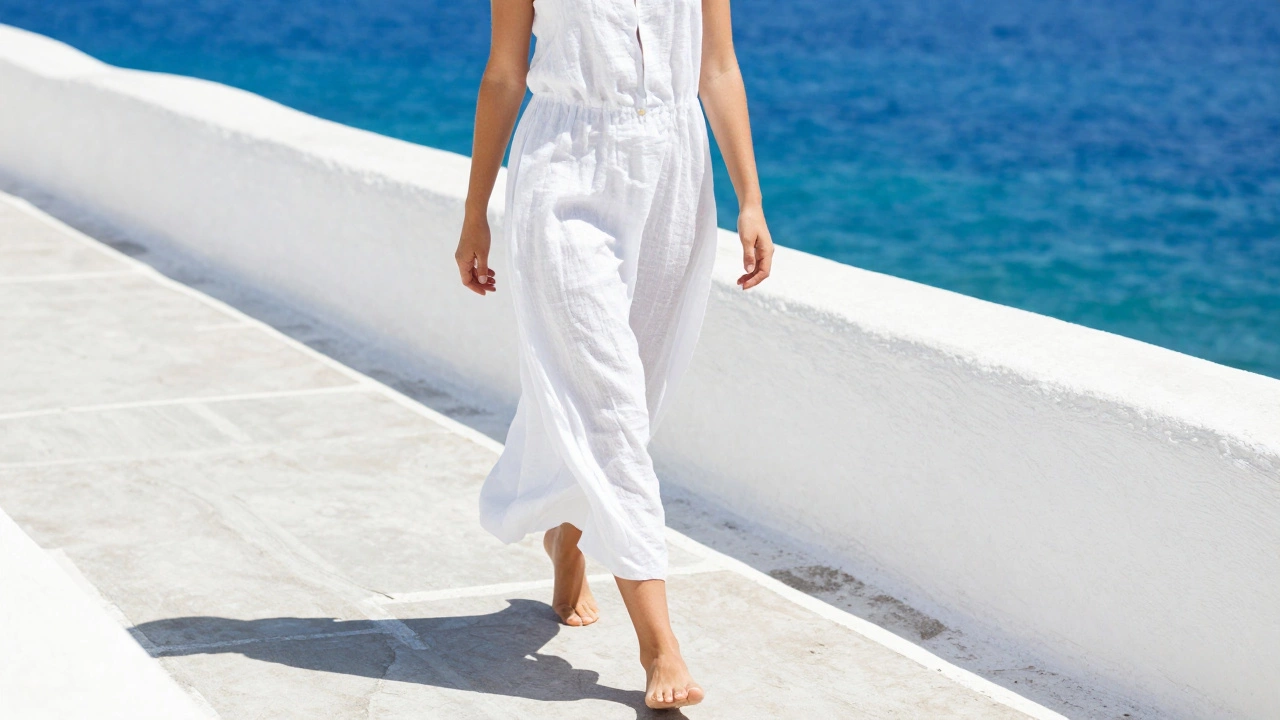
White is the gold standard for reflecting solar radiation. In a direct sunlight scenario, a white t-shirt will keep you cooler than a navy blue one. But is white the *only* choice? Not necessarily. Pastel shades-like mint green, pale yellow, or baby blue-also reflect a huge portion of the sun's rays. While they aren't as efficient as pure white, they are far superior to deep jewel tones or blacks.
The real trick is looking at the "albedo" of the color. Albedo is just a fancy word for how much light a surface reflects. White has a high albedo, while black has a low one. If you're choosing between a white dress and a light beige one, the difference in heat absorption is negligible. You can play with your palette without turning into a human radiator.
| Color Category | Solar Reflection | Heat Retention | Best Use Case |
|---|---|---|---|
| Pure White | Highest | Lowest | Direct, intense midday sun |
| Pastels / Light Tones | High | Low | General summer daytime wear |
| Bright Mid-Tones | Moderate | Moderate | Shaded areas or breezy days |
| Dark / Black / Navy | Lowest | Highest | Evening or cold environments |
The Bedouin Paradox: Why Some Wear Black
You might have seen photos of Bedouins in the Sahara wearing heavy black robes and wondered, "Wait, didn't I just say black is hot?" This is where things get interesting. There is a difference between *absorbing heat from the sun* and *releasing heat from your body*.
Black fabric absorbs heat from the sun, yes. But it also absorbs heat from your skin. If the garment is very loose and the wind is blowing, the black fabric heats up, creates a convection current that pulls cooler air from the bottom of the robe up through the fabric, and carries your body heat away. Essentially, the black clothing acts like a chimney.
However, for most of us living in cities or walking around a park, we aren't wearing oversized, billowing robes. We wear more fitted clothing. In a fitted black dress or t-shirt, there is no room for that convection current to happen. Instead, the heat just stays trapped between the fabric and your skin. Unless you're wearing extremely loose-fitting gear in a windy desert, stick to the light colors.
Fabric Matters More Than Color
You could wear a white dress, but if it's made of thick polyester, you're going to feel like you're wearing a plastic bag. Color is only half the battle; the other half is the material. To stay cool, you need fabrics that allow moisture to evaporate. Evaporation is the body's natural cooling system. If the fabric blocks that process, the color doesn't matter.
Linen is the undisputed king of summer. It has a loose weave that lets air flow directly to your skin and it can absorb a lot of moisture without feeling damp. Cotton is another great choice, specifically lightweight organic cotton, though it holds onto water longer than linen does.
Avoid synthetic fabrics like polyester or nylon unless they are specifically designed as "moisture-wicking" athletic gear. Standard polyester traps heat and sweat, creating a humid microclimate against your skin that can lead to overheating and rashes. If you're shopping for summer dresses, look for 100% linen or a linen-cotton blend in a light shade.
Putting It Together: The Ultimate Cooling Strategy
If you want to maximize your coolness, don't just pick one color. Combine the right hue, the right fit, and the right fabric. Here is the winning formula:
- Color: Stick to white, cream, or pale pastels. These keep the sun's energy away from your body.
- Fit: Choose loose, flowy silhouettes. Avoid tight waistbands or clingy fabrics that stop air from circulating.
- Fabric: Prioritize linen, hemp, or lightweight cotton.
- Timing: If you must wear dark colors for a formal event, try to do it in the evening when the sun's radiation is lower.
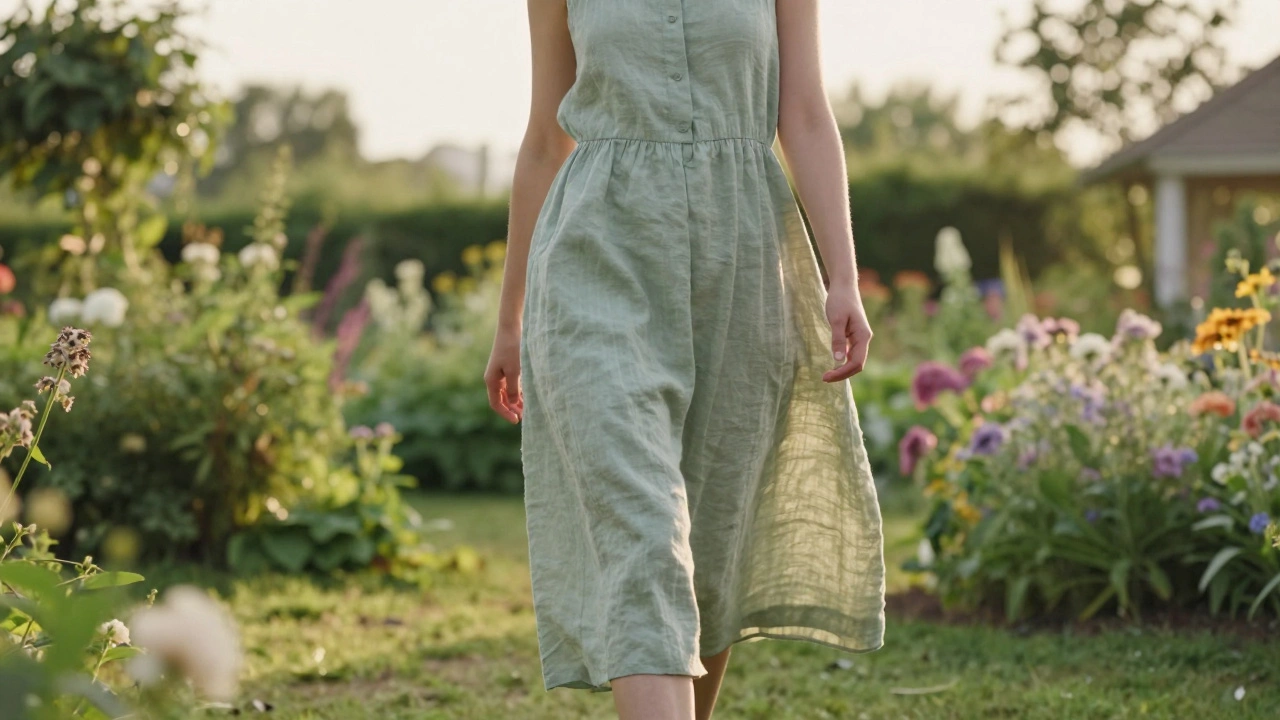
For example, instead of a black bodycon dress for a summer wedding, try a pale sage green A-line dress made of linen. You'll reflect more sunlight, let your skin breathe, and allow air to circulate around your legs, keeping your core temperature significantly lower.
Common Pitfalls to Avoid
One mistake people make is thinking that "light-colored" means "thin." While thin fabrics are generally cooler, some very thin white fabrics are actually translucent and provide zero protection from UV rays. If you are spending all day in the sun, you want a fabric that is light in color but has a tight enough weave to block some of the UV radiation while still remaining breathable.
Another trap is the "moisture-wicking" myth. Some high-tech fabrics are great for a gym workout because they push sweat to the surface, but they can feel clammy and artificial during a casual summer stroll. For everyday wear, natural fibers are almost always more comfortable and breathable than chemical alternatives.
Does white clothing really keep you cooler than black?
Yes, in direct sunlight. White reflects most of the sun's visible and infrared light, meaning less heat is absorbed by the fabric and transferred to your skin. Black absorbs nearly all of that energy, which makes the fabric hotter.
What are the best colors if I can't wear white?
Any pale or light-colored shade will work. Think mint, lavender, pale yellow, light grey, or beige. These colors have a higher albedo than dark colors, meaning they reflect more sunlight and keep you cooler.
Is linen better than cotton for heat?
Generally, yes. Linen is made from flax fibers which are naturally stiffer and create a more open weave, allowing for better airflow. It also dries faster than cotton, which helps with the cooling effect of evaporation.
Why do some people wear black in the desert?
When clothing is very loose and billowing, black can actually help. It absorbs heat from the body and the sun, creating a chimney effect where hot air rises and draws in cooler air from below. This only works with specific, oversized garments.
Does the fit of the clothes affect how cool I feel?
Absolutely. Loose-fitting clothes allow air to move between the fabric and your skin, which helps sweat evaporate and carries heat away. Tight clothes trap that heat and moisture, making you feel much hotter regardless of the color.