Summer Wear Heat & Style Estimator
Select a color and fabric combination to see how it affects your comfort in the sun.
Comfort Analysis
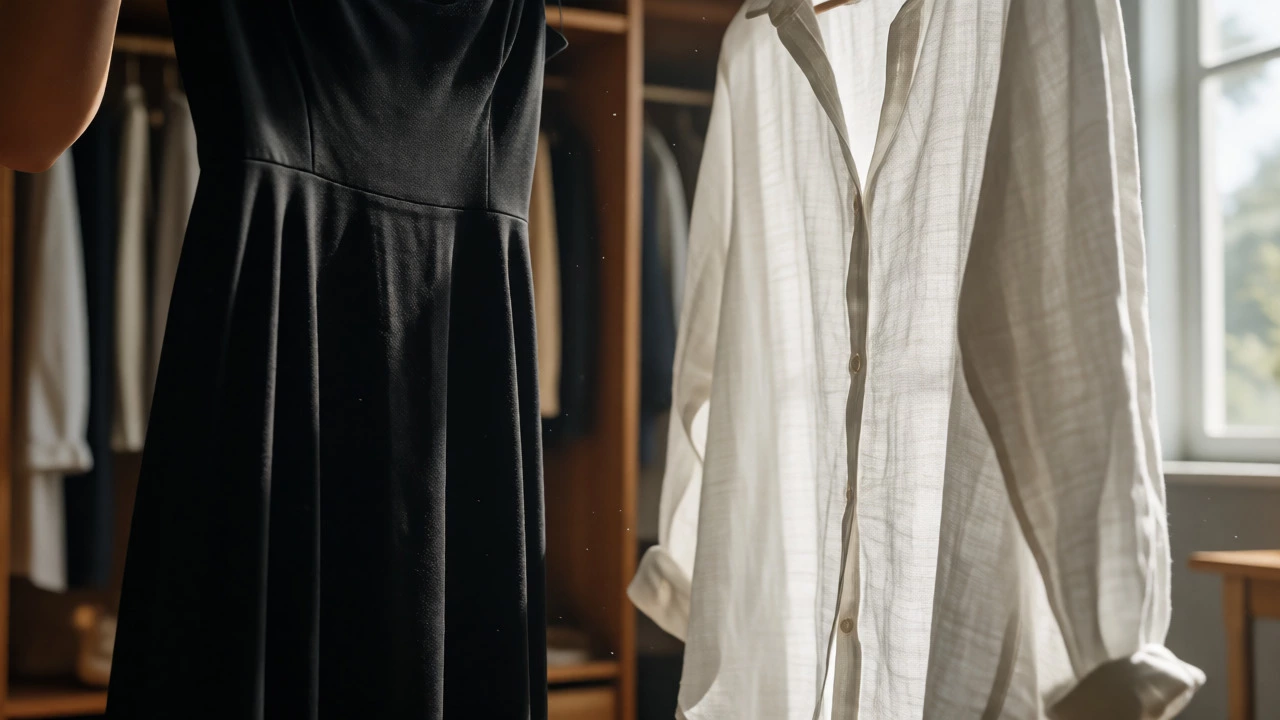
Standing in front of your wardrobe on a scorching day, you might wonder why that black dress feels like a furnace while the white one feels breezy. It isn't just imagination. Physics plays a huge role in how comfortable you feel during the hottest months. Choosing the right color for summer wear is about more than just matching your skin tone; it's about managing heat absorption and reflection. If you want to stay cool without sacrificing style, understanding how light interacts with fabric is your first step.
The Science Behind Color and Heat
Let's get the obvious out of the way: dark colors absorb heat, and light colors reflect it. This happens because different pigments interact with visible light differently. Black absorbs all wavelengths of light and converts them into thermal energy (heat). White reflects almost all visible light back into the environment. But here is where it gets interesting-and slightly counterintuitive.
Fabric Matters More Than You Think
You cannot talk about color without talking about material. A thick polyester shirt in bright yellow will still make you sweat more than a thin linen shirt in navy blue. Natural fibers like cotton, linen, and silk allow air to circulate against your skin, helping sweat evaporate. Synthetic blends often trap heat, regardless of their hue. When shopping for summer dresses, check the label first. Look for "breathable" or "lightweight" tags. If the fabric doesn't breathe, the color won't save you.
Top Choices for Hot Weather Wardrobes
If you are looking to refresh your closet for the upcoming season, certain colors consistently perform better in high temperatures. These choices aren't just aesthetic preferences; they are practical tools for temperature regulation.
| Color Family | Heat Absorption | Style Versatility | Best Fabric Pairing |
|---|---|---|---|
| White & Cream | Lowest (Reflects ~80-90% of light) | High (Classic, clean look) | Linen, Cotton Poplin |
| Pastels | Low-Medium (Soft reflection) | Medium (Trend-dependent) | Chambray, Silk Blends |
| Bright Neons | Medium-High (Absorbs specific wavelengths) | Low (Statement pieces only) | Performance Synthetics |
| Earth Tones | Medium-Absorbs UV efficiently | High (Neutral base) | Heavy Cotton, Hemp |
| Black & Navy | Highest (Absorbs most radiation) | Very High (Slimming, formal) | Loose Linen, Rayon |
Why Pastels Are Underrated
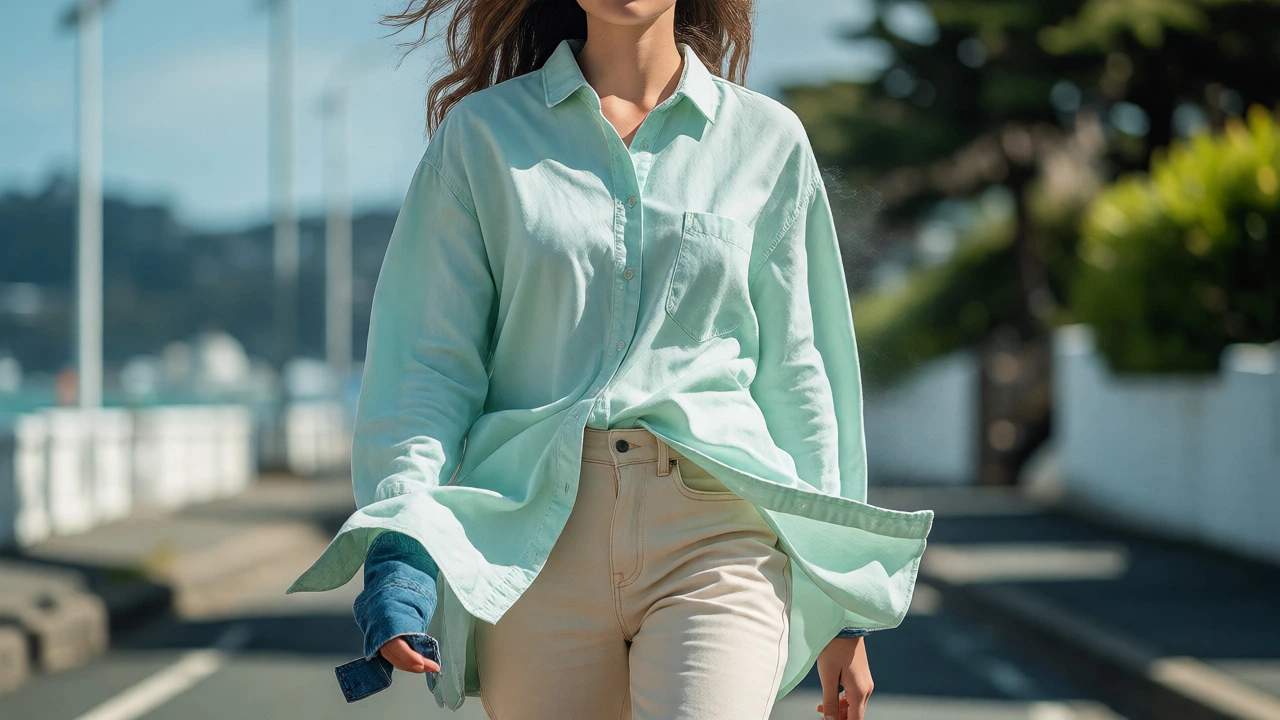
Mint green, baby blue, and blush pink are not just cute; they are functional. They reflect a significant portion of solar radiation while offering a softer visual impact than stark white. In Wellington, where the sun can be harsh but the wind often cools things down, pastels strike a nice balance. They don't show dust as easily as white, which is a practical plus if you are commuting or walking around town. Plus, they pair beautifully with denim jackets for those sudden evening chills.
The Myth of the "Cooling" Black Dress
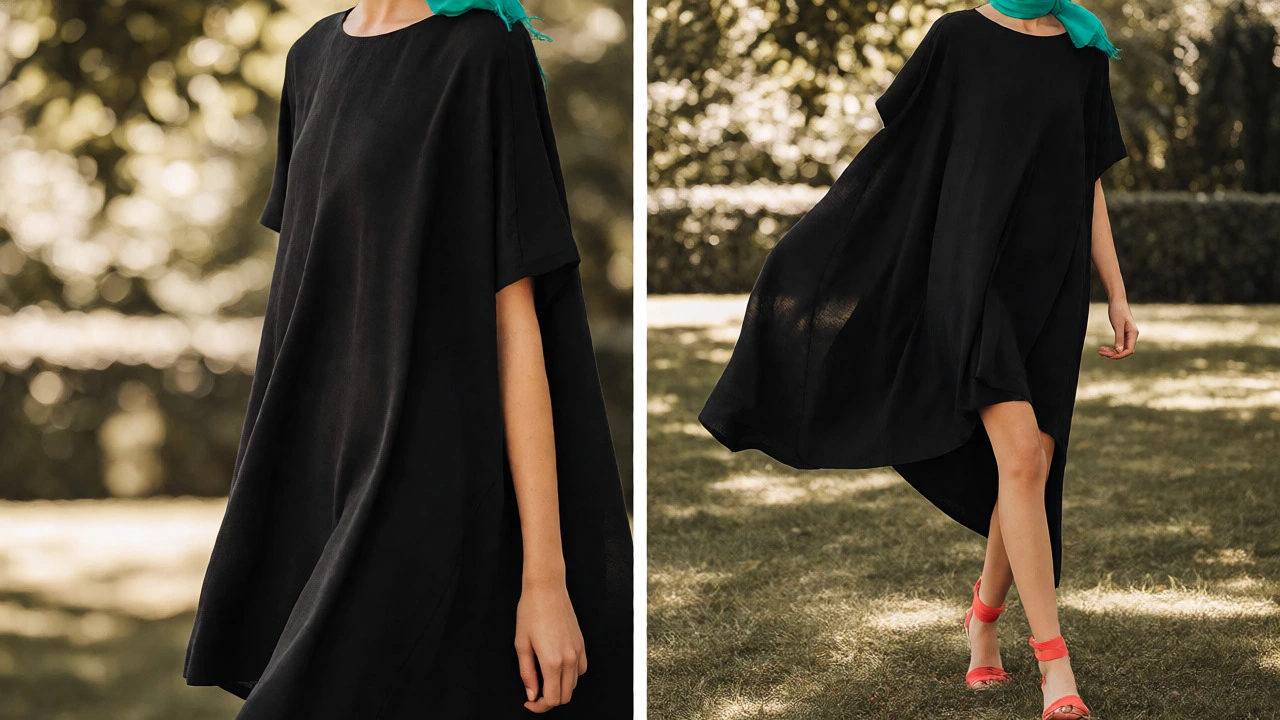
You have probably heard that Bedouins wear black robes to stay cool in the desert. Is this true? Partially. The key factor there is airflow. Those robes are massive and loose. The black fabric heats up, but because it is far from the skin, the hot air rises and exits the bottom hem, creating a vacuum that pulls fresh air in at the neck. If you wear a fitted black t-shirt under a blazer, you lose this effect entirely. The heat has nowhere to go. So, if you love black, choose wide-leg trousers or an oversized shift dress. Avoid tight fits in dark shades unless you are indoors with air conditioning.
UV Protection and Color Depth
Staying cool is one thing; protecting your skin is another. Darker colors generally offer better Ultraviolet (UV) protection than lighter ones. A deep red or royal blue dress blocks more harmful rays than a sheer white blouse. This is due to the density of the dye molecules absorbing UV radiation before it reaches your skin. If you plan to spend hours outdoors-say, at a beach barbecue or a garden party-a darker, opaque fabric might actually keep your skin safer, even if it feels warmer initially. Always check the UPF (Ultraviolet Protection Factor) rating if available. Some modern fabrics are treated to provide high UPF even in light colors, bridging the gap between comfort and safety.
Building a Cohesive Summer Palette
You do not need to buy ten new dresses in one color. Smart styling involves mixing reflective tones with strategic accents. Start with a base of neutrals: white, beige, and light gray. These pieces act as your canvas. Then, add personality with accessories or statement pieces in brighter hues. A coral scarf or turquoise sandals can break up the monotony without adding bulk or excessive heat absorption. Consider your local climate nuances. In New Zealand, summer days can swing from sunny to windy quickly. Layering is key. A lightweight cardigan in a neutral tone over a pastel dress gives you flexibility. If the sun beats down, you take it off. If the sea breeze picks up, you put it back on. This adaptability is crucial for maintaining comfort throughout the day.
Common Pitfalls to Avoid
- Ignoring Fit: Even the coolest color fails if the garment clings to your skin. Leave room for air circulation.
- Choosing Heavy Synthetics: Polyester satin looks great but traps heat like plastic wrap. Stick to natural fibers for daytime wear.
- Overlooking Undergarments: Wearing a dark bra under a white dress can ruin the reflective benefit. Match your underlayers to your outerwear for maximum cooling efficiency.
- Neglecting Footwear: Your feet generate heat too. Open-toed shoes or breathable sneakers help regulate overall body temperature better than enclosed boots, regardless of your dress color.
Practical Tips for Shopping Smart
When you head to the store, try the "sun test." Hold the fabric up to a window or outside in daylight. Can you see light passing through it? If yes, it is likely breathable and good for heat. If it is dense and opaque, it might block UV but could also trap heat. Check the weave. An open weave allows air to pass through, enhancing the cooling effect of light colors. Also, consider maintenance. White and light pastels require more frequent washing, which uses water and energy. Earth tones and medium blues hide stains better and may last longer in your rotation. Balance aesthetics with practicality. You want to look good, but you also want to minimize laundry loads during busy summer weeks.
Is white always the coolest color to wear?
Generally, yes, white reflects the most sunlight. However, the fit of the garment matters significantly. A loose white shirt cools via reflection and ventilation, while a tight white shirt can still feel warm if the fabric is synthetic and non-breathable.
Can I wear black in summer?
Absolutely, provided it is cut loosely. Wide-leg pants or flowy maxi dresses in black allow air to circulate beneath the fabric, preventing heat buildup against the skin. Avoid tight black tops in direct sunlight.
Which fabrics are best for hot weather?
Linen, cotton, and silk are top choices. Linen is highly breathable and dries quickly. Cotton is soft and absorbs moisture. Silk is lightweight and regulates temperature well. Avoid heavy polyesters and nylon for daytime summer wear.
Do bright neon colors keep you cooler?
Not necessarily. While they reflect some light, many neons absorb specific wavelengths that convert to heat. They are often made from synthetic materials that trap sweat. Pastels are usually a better choice for both cooling and versatility.
How does color affect UV protection?
Darker, saturated colors like black, navy, and deep red absorb more UV radiation, offering better skin protection than light colors. However, tightly woven fabrics of any color provide better protection than loose weaves.