Hoodie Style & Quality Finder
Find the perfect hoodie brand based on your priorities
Select your preferences and click "Find My Match" to see the recommendation.
Quick Guide: Choosing Your Vibe
- The Heavyweight: Look for 400+ GSM fabric for maximum warmth and structure.
- The Minimalist: Stick to neutral tones and hidden seams for a cleaner look.
- The Streetwear King: Focus on oversized drops and bold graphics.
- The Eco-Conscious: Seek out organic cotton and recycled polyester blends.
The Heavy Hitters of Luxury Streetwear
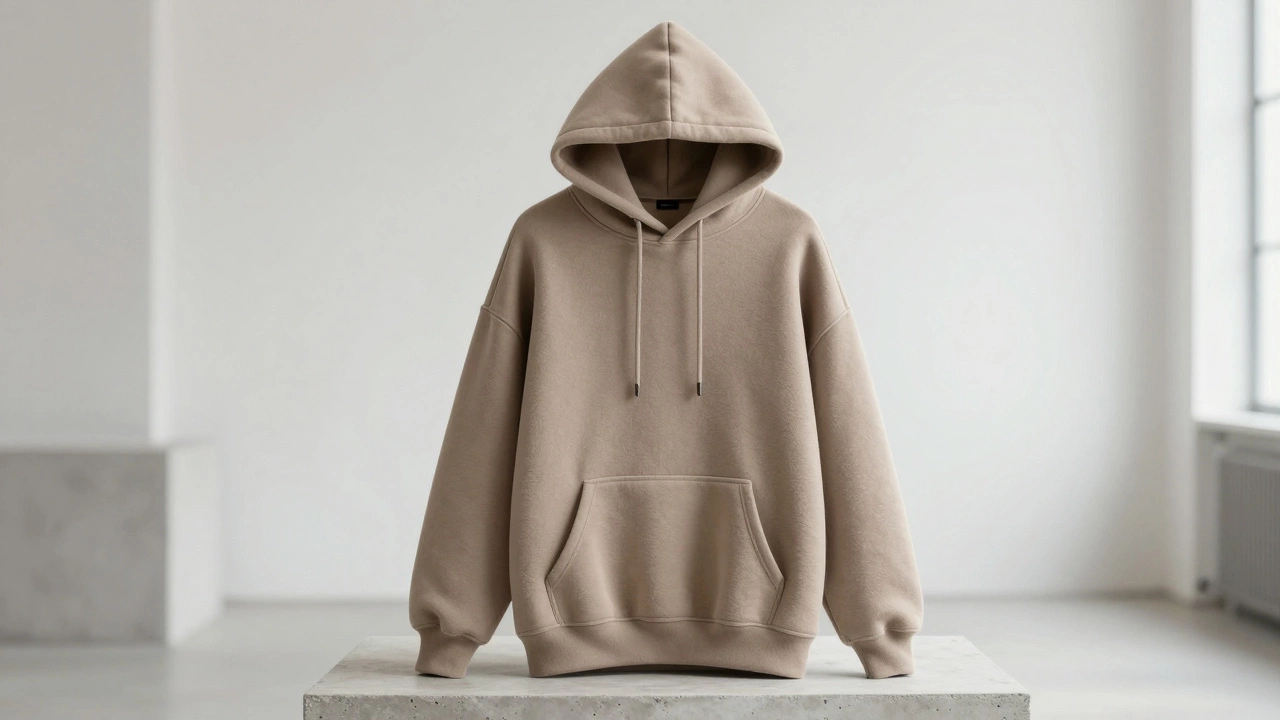
If you have the budget and want a piece that feels like an investment, luxury streetwear is where you'll find the most consistent quality. Fear of God Essentials is a contemporary apparel line known for its muted earth tones and signature oversized silhouettes. Their hoodies aren't just about the brand name; they use a heavy-gauge fleece that holds its shape even after months of wear. If you've ever felt a hoodie that keeps its "stiffness" in the hood so it doesn't flop flat, that's the hallmark of their construction.
On the other end of the luxury spectrum, Ami Paris provides a more tailored approach. Unlike the baggy look of streetwear, these are designed to fit closer to the body, making them ideal for those who want to dress up a hoodie. They typically use a high-grade organic cotton that feels smooth rather than fuzzy, which prevents that annoying pilling on the chest and arms.
The Gold Standard for Everyday Comfort
You don't always need to spend hundreds to get a great hoodie. For those who prioritize feel and durability over a logo, Champion remains a powerhouse. Specifically, their Reverse Weave line is a legend in the industry. The "Reverse Weave" process involves cutting the fabric cross-grain to prevent vertical shrinkage-a problem that plagues almost every other cheap hoodie on the market. When you buy a Champion Reverse Weave, you're getting a 12oz fabric that can survive a decade of laundry cycles.
If you're looking for something that feels like a cloud, Nike's Tech Fleece collection is the go-to. It's not your standard cotton fleece; it's a synthetic blend that traps heat without adding bulk. It's the perfect choice for people who hate the feeling of being weighed down but still want to stay warm during a brisk walk or a gym session. The bonded hems and zippered pockets add a functional edge that makes them more than just loungewear.
| Brand | Primary Material | Fit Style | Durability | Best For |
|---|---|---|---|---|
| Fear of God Essentials | Heavyweight Cotton Blend | Oversized | High | Street Style |
| Champion Reverse Weave | Cross-grain Cotton | Classic/Boxy | Extreme | Longevity |
| Nike Tech Fleece | Spacer Fabric (Synthetic) | Tapered | Medium | Athleisure |
| Ami Paris | Organic Cotton | Slim/Tailored | High | Smart Casual |
Sustainable Choices That Actually Look Good
The fashion industry is notorious for waste, but a few brands are proving you can have best hoodie brands status while being kind to the planet. Patagonia is the gold standard here. Their hoodies often incorporate recycled polyester from plastic bottles, but the real win is their "Ironclad Guarantee." If your hoodie rips or wears out, they'll repair it. This shifts the focus from disposable fashion to a lifetime garment.
Another strong contender is Everlane, which focuses on "radical transparency." They use heavy-weight organic cotton and avoid the toxic dyes common in fast fashion. Their hoodies have a clean, unisex cut that works for almost any body type, avoiding the extreme oversized or tight fits of other brands. They are the perfect "blank canvas" piece for a minimalist wardrobe.
What Makes a Hoodie "Nice"? (The Technical Side)
When you're browsing, stop looking at the color and start looking at the specs. First, check the GSM (Grams per Square Meter). A low GSM (under 250) means the hoodie is thin-essentially a long-sleeve t-shirt with a hood. A medium GSM (250-350) is standard. If you want a high-quality, structured feel, look for 400 GSM or higher. This is what prevents the hoodie from clinging to your body and instead gives it that structured, premium drape.
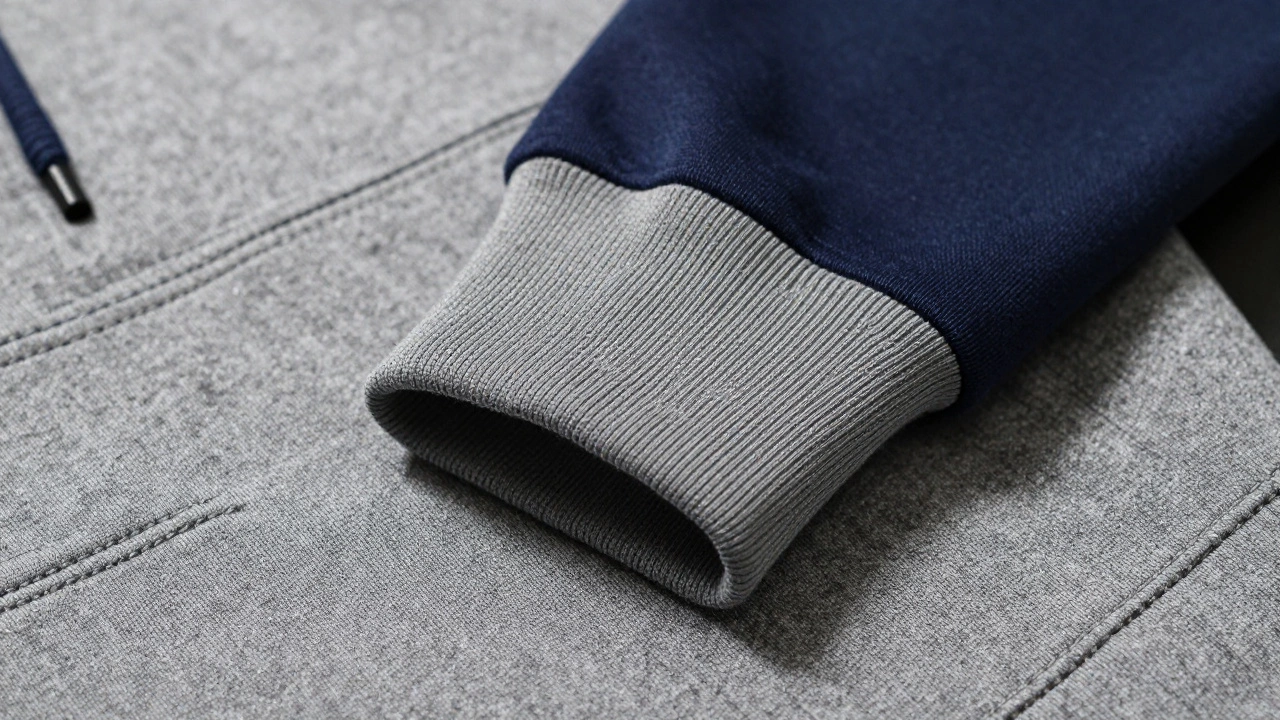
Next, look at the cuffs and waistband. Cheap hoodies use thin elastic that stretches out after three wears, leaving you with "bell sleeves." High-end brands use ribbed cotton with a high percentage of spandex or elastane to ensure the cuff snaps back to its original shape. Also, check the interior. Brushed fleece is soft and warm, while French Terry (which has visible loops on the inside) is more breathable and better for layering in spring or autumn.
Avoiding Common Hoodie Pitfalls
One of the biggest mistakes people make is ignoring the shoulder seam. If the seam sits way off your shoulder, it's an intentional oversized fit. If it's just slightly off, it's likely a sizing issue. For a modern look, a "dropped shoulder" is the way to go, but make sure the waist remains snug so you don't look like a rectangle.
Wash care is where most people ruin their nice hoodies. Never put a heavyweight cotton hoodie in a high-heat dryer. The heat breaks down the fibers and causes the dreaded shrinkage. Wash them inside out in cold water and air dry them. This keeps the outer fabric smooth and prevents the inner fleece from becoming "crunchy" over time.
What is the difference between fleece and French Terry?
Fleece is essentially French Terry that has been brushed on the inside to create a soft, fuzzy nap that traps more heat. French Terry has a smooth outer surface and a looped interior. Choose fleece for winter warmth and French Terry for a breathable mid-layer during transition seasons.
How can I tell if a hoodie is high quality just by looking at it?
Look at the stitching on the cuffs and the hood. High-quality hoodies have dense, tight stitching without loose threads. Check the weight; a premium hoodie should feel substantial in your hand. Also, check the hood-if it stands up on its own without collapsing, it usually indicates a heavier, higher-quality fabric.
Do oversized hoodies ever look professional?
Yes, if you balance the proportions. Pair an oversized hoodie with slim-fit trousers or a structured overcoat. The key is contrast; if everything you wear is baggy, you look like you're in pajamas. If you pair the bulk of the hoodie with a sharp silhouette on the bottom, it becomes a deliberate fashion statement.
Which brand is best for a budget-friendly but durable hoodie?
Champion is widely considered the best for budget-meets-durability, especially the Reverse Weave line. It offers a level of thickness and shrinkage resistance that is rare at its price point, making it a safer bet than generic fast-fashion brands.
Why do some hoodies shrink more than others?
It comes down to how the fabric is processed. Most cotton is knitted in a way that allows it to contract when exposed to heat. Brands like Champion use "Reverse Weave" to knit the fabric horizontally, which physically limits how much the garment can shrink vertically during washing.
Next Steps for Your Wardrobe
If you're just starting to build your collection, don't buy five cheap hoodies. Buy one high-quality heavyweight piece in a neutral color like heather grey or black. This gives you a versatile base that works with everything. Once you've nailed the fit and weight you prefer, you can experiment with bolder colors or more niche streetwear brands.
If you find your current hoodies are pilling, try using a fabric shaver. It removes those tiny balls of lint and can make an old hoodie look brand new. Moving forward, stick to the cold-wash, hang-dry rule to ensure your investment lasts for years rather than a few months.