UGG Odor Risk Calculator
Enter your daily habits to estimate how likely your UGGs are to develop a smell.
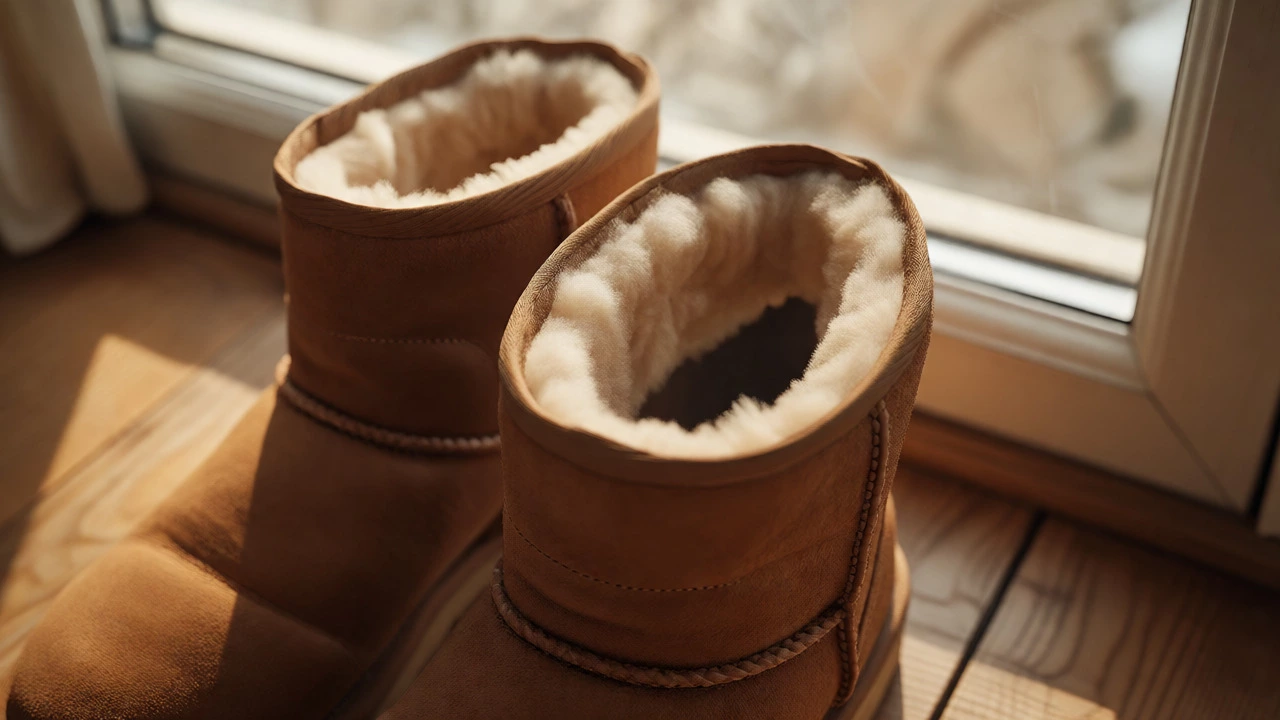
You pull on your favorite pair of UGGs, expecting that cloud-like comfort. But after a long day, you hesitate to take them off because you know what might be waiting for you: a distinct, sour smell. It’s the elephant in the room for anyone who owns these iconic sheepskin boots. The short answer is yes, feet can smell in UGGs, but it’s not inevitable. Understanding why this happens-and how to stop it-is the difference between wearing them year-round and relegating them to the closet.
Why Do UGGs Trap Odor?
To fix the problem, you have to understand the source. Unlike synthetic sneakers with breathable mesh, sheepskin is a natural material. It’s dense, warm, and designed to wick moisture away from your skin. However, when that moisture has nowhere to go, bacteria thrive. The smell isn’t actually coming from your sweat; sweat itself is mostly odorless. The stink comes from bacteria breaking down the amino acids in your sweat and dead skin cells.
UGGs create a perfect incubator for this process. The lining absorbs moisture quickly, keeping your feet dry to the touch, but if you wear them without socks, that moisture stays trapped within the wool fibers. In Wellington, where humidity can linger even in cooler months, this becomes a bigger issue. If you’re walking around town or sitting in an office all day, your feet are producing roughly half a pint of sweat daily. In a ventilated running shoe, that evaporates. In a sealed sheepskin boot, it accumulates.
The Sock Debate: To Wear or Not to Wear?
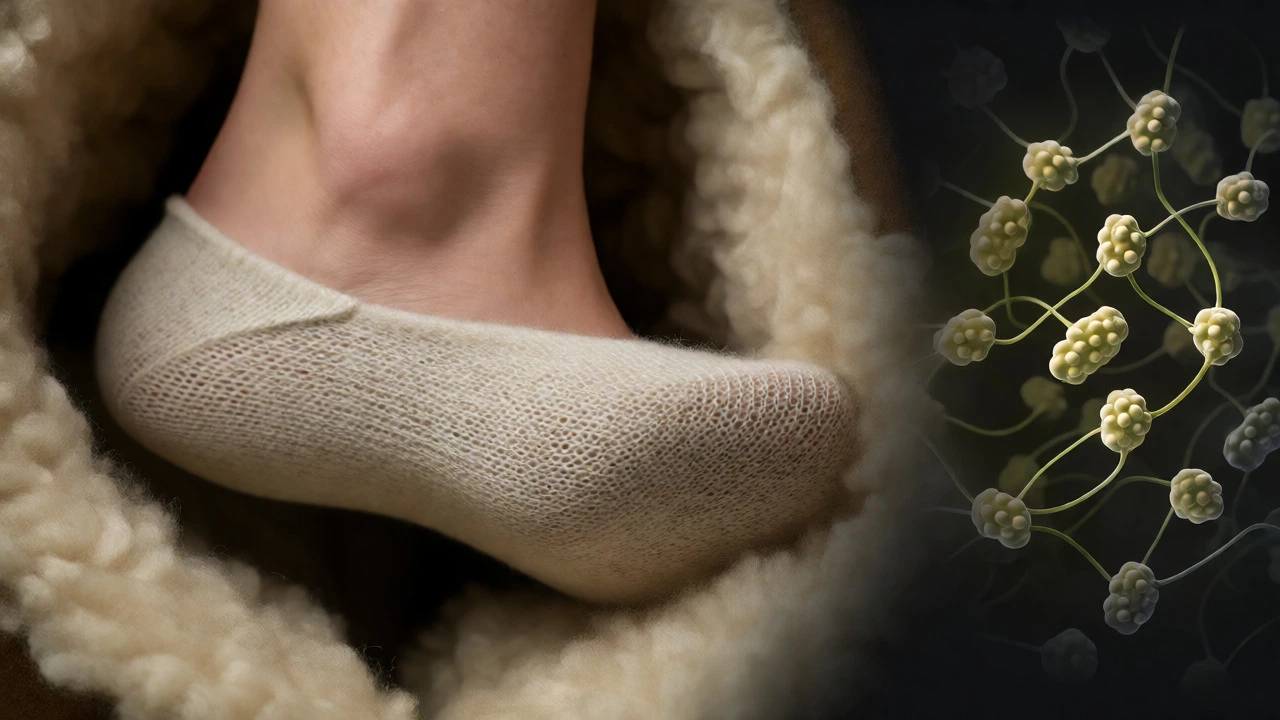
This is the most common question we hear. Traditionalists argue that UGGs are meant to be worn barefoot. And sure, the sensation of raw wool against your skin is luxurious. But from a hygiene perspective, going sockless accelerates odor buildup significantly. When your skin touches the wool directly, oils and sweat transfer immediately into the fibers. Wool is great at absorbing, but once it’s saturated, it takes time to dry out.
If you want to keep your boots fresh longer, wear socks. We aren’t talking about thick, bulky hiking socks that ruin the fit. Look for thin, moisture-wicking materials like merino wool blends or bamboo. These fabrics pull sweat away from your skin faster than cotton does, which tends to hold onto dampness. By creating a barrier between your foot and the lining, you reduce the direct bacterial load on the expensive sheepskin interior.
How to Prevent Smell Before It Starts
Prevention is always easier than remediation. You don’t need a complex routine, just a few consistent habits. Here is what actually works:
- Air them out: Never put your UGGs straight into a dark closet after wearing them. Leave them in a well-ventilated area for at least 24 hours between wears. This allows the moisture absorbed by the wool to evaporate naturally.
- Use cedar shoe trees: Cedar is naturally antimicrobial and absorbs residual moisture. Inserting cedar inserts overnight helps maintain the shape of the boot while fighting odor-causing bacteria.
- Rotate your pairs: If you only own one pair, give them a rest day. Alternating between two pairs doubles the drying time available for each boot.
- Keep feet clean: Wash your feet thoroughly with antibacterial soap before putting them on. Dry them completely, especially between the toes, where moisture hides.
DIY Remedies for Stinky Boots
So, you’ve already got the smell. Don’t panic. You don’t necessarily need to throw them away or send them to a professional cleaner immediately. Several household items work surprisingly well against mild to moderate odors.
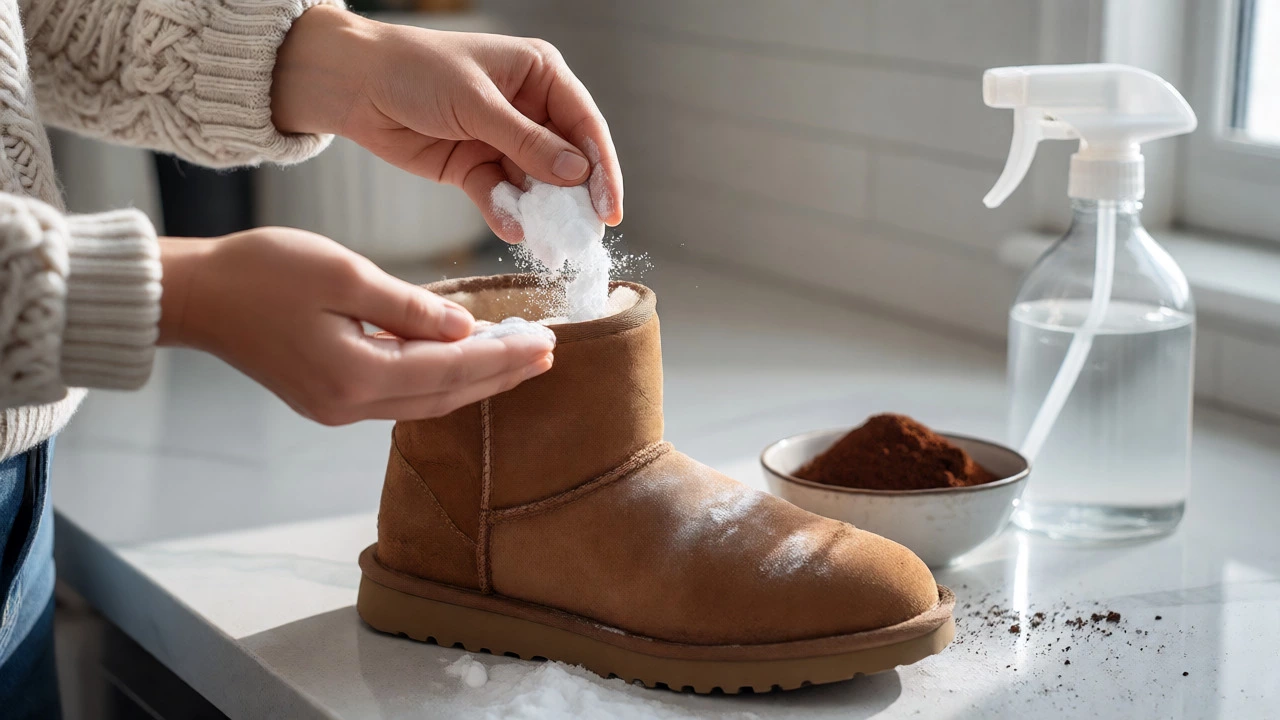
Baking soda is the classic choice. Sprinkle a generous amount inside each boot, shake it around to coat the lining, and leave it overnight. Baking soda neutralizes acidic compounds produced by bacteria. In the morning, vacuum it out thoroughly. Residue left behind can irritate your skin, so be diligent.
Coffee grounds are another option if baking soda fails. Place dry, used coffee grounds in a sock or small muslin bag and leave it inside the boot overnight. Coffee doesn’t just mask smells; its porous structure absorbs volatile organic compounds. Just make sure the grounds are completely dry before using them, or you’ll introduce more moisture into the equation.
Vinegar spray offers a stronger punch. Mix equal parts white vinegar and water in a spray bottle. Lightly mist the interior lining (don’t soak it) and let it air dry. The vinegar smell will vanish as it dries, taking many of the bad odors with it. Test a small spot first to ensure it doesn’t discolor the suede exterior.
When to Deep Clean Your UGGs
Home remedies handle surface-level issues, but sometimes the bacteria have penetrated deep into the foam insole or the core of the wool. If you notice a persistent smell despite regular airing and baking soda treatments, it’s time for a deeper intervention.
You can hand wash the interior, but it requires caution. Use a specialized sheepskin shampoo or a mild detergent free of bleach and enzymes. Dampen a sponge, apply the solution gently to the lining, and blot-don’t scrub-with a clean, damp cloth to remove soap residue. Stuff the boots with white paper towels to absorb excess water and help them retain their shape. Let them dry away from direct heat sources like radiators or sunlight, which can shrink the wool and crack the suede.
| Method | Best For | Risk Level | Drying Time |
|---|---|---|---|
| Baking Soda | Mild daily odors | Low | Overnight |
| Vinegar Spray | Bacterial buildup | Medium | 12-24 Hours |
| Hand Wash Interior | Deep stains/smells | High | 24-48 Hours |
| Professional Cleaning | Severe damage/mold | None | 3-5 Days |
Material Matters: Real vs. Faux Sheepskin
Not all "UGGs" are created equal. Genuine Australian sheepskin has unique properties that synthetic alternatives lack. Real wool is hygroscopic, meaning it absorbs moisture vapor from the air and releases it when the environment is dry. This self-regulating ability makes real sheepskin more resistant to odor over time compared to faux fur, which often traps sweat against the skin without absorbing it effectively.
Faux fur linings tend to feel clammy sooner. If you find yourself battling constant odor with synthetic-lined boots, switching to genuine sheepskin might solve the problem. The breathability of natural fiber simply outperforms plastic-based alternatives in managing the microclimate inside your shoe.
Can I put my UGGs in the washing machine?
Generally, no. Machine washing can shrink the wool lining, distort the shape of the boot, and separate the sole from the upper. Hand cleaning or professional care is much safer for preserving the integrity of the materials.
Does freezing UGGs kill the smell?
Freezing can kill some bacteria, but it doesn’t remove the waste products they produce, which is what actually causes the smell. Once the boots thaw, the odor often returns. It’s better to focus on removing moisture and bacteria through ventilation and cleaning agents.
How often should I clean the inside of my UGGs?
For regular wearers, sprinkle baking soda weekly and air them out daily. A deeper clean with a damp sponge and mild soap should happen every 3-6 months, depending on how much you wear them and how sweaty your feet get.
Will wearing socks change the fit of my UGGs?
Thick socks will make them feel tight initially, but sheepskin stretches slightly with wear. Thin, technical socks usually won’t affect the fit noticeably and are highly recommended for hygiene purposes.
Is the smell harmful to my health?
The smell itself isn’t dangerous, but the bacteria and fungi causing it can lead to athlete’s foot or toenail fungus. Keeping the environment dry and clean reduces these risks significantly.