Podiatrist Footwear Risk Calculator
Based on current podiatric guidelines, this tool estimates the risk of discomfort or injury when wearing unsupportive footwear like UGGs.
Select your options to see your Podiatrist Recommendation.
Risk Assessment
Analysis pending...
You pull them on, sink into the plush sheepskin lining, and feel like your feet have just been wrapped in a warm hug. For millions of people, UGGs are the ultimate comfort shoe. But if you ask a foot specialist, that cozy hug might actually be squeezing your arches in all the wrong ways. The short answer? Most podiatrists do not recommend wearing UGGs as everyday footwear for long periods, especially if you have flat feet or existing pain.
This isn't about hating on a popular brand. It's about understanding how footwear mechanics interact with human anatomy. You see, while UGGs excel at keeping your toes toasty during a Wellington winter, they lack the structural integrity required to support your feet through a full day of walking. If you're wondering whether your favorite slippers are secretly ruining your posture, here is what the experts actually say.
The Anatomy of Comfort vs. Support
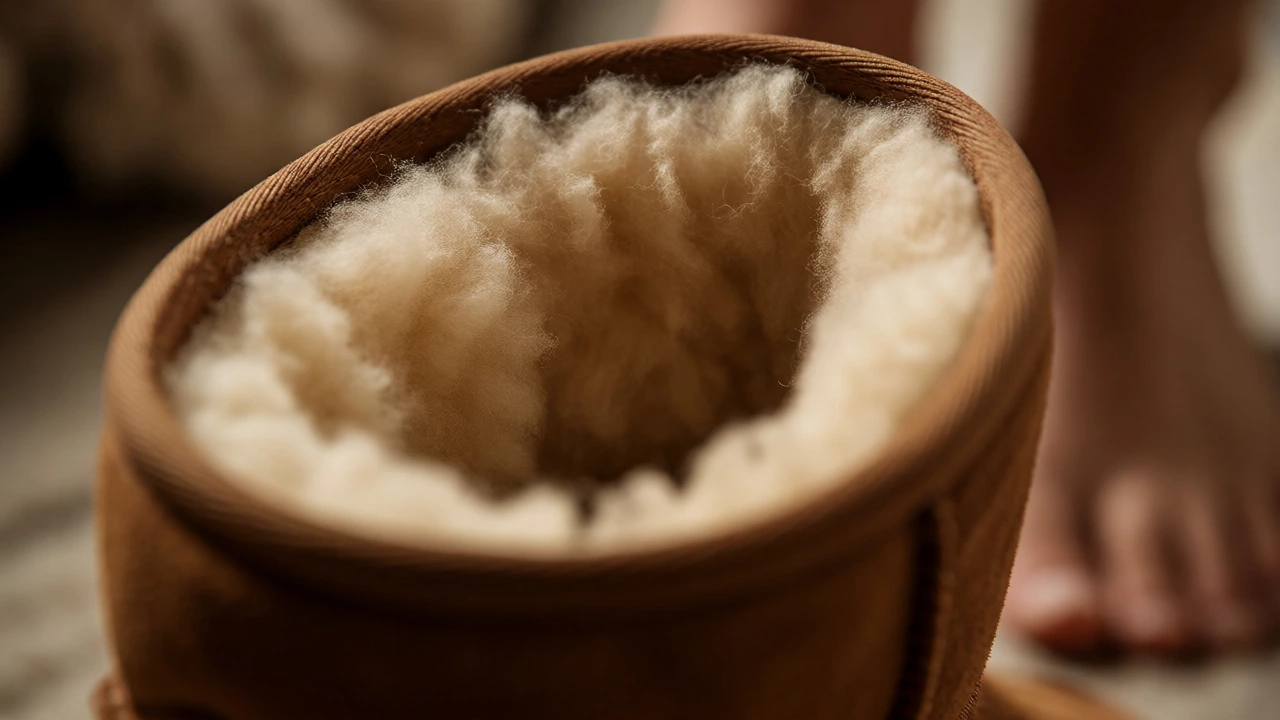
To understand why doctors hesitate, you need to look inside the boot. Sheepskin is naturally insulating and molds slightly to your foot shape over time. This creates a sensation of custom fit. However, this material has no rigid structure. Unlike a sneaker with a firm midsole or a hiking boot with a shank, an UGG sole is essentially a slab of flexible rubber or EVA foam. It bends easily, which feels nice when you're lounging on the couch, but it fails to provide resistance against the ground.
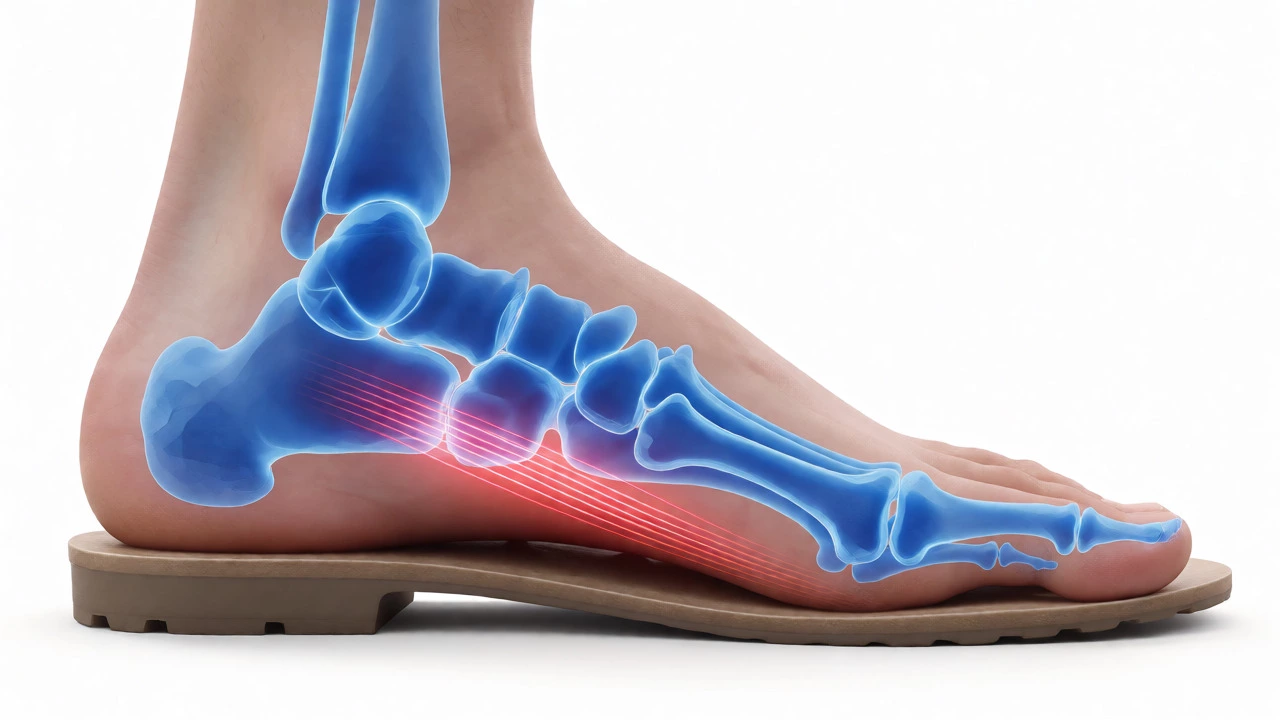
Your foot needs stability. When you walk, your arch collapses slightly to absorb shock (pronation) and then springs back. In supportive shoes, the midsole helps control this motion. In UGGs, there is nothing to stop your arch from collapsing too far or too fast. Over hours, this forces your muscles and tendons to work overtime to keep you upright. It’s like trying to hold a plank position without using your core muscles-you’re doing the hard work yourself, instead of letting the equipment help you.
Why Podiatrists Flag Flat Arches
If you have fallen arches or plantar fasciitis, UGGs can be particularly problematic. The interior of these boots often features a deep pile lining that compresses under weight. This means your foot sinks deeper into the shoe, reducing the effective height of the heel relative to the toe. While some might think a higher heel helps, the issue here is the lack of a defined arch bridge.
Podiatrists frequently warn that soft, unsupportive shoes exacerbate conditions like:
- Plantar Fasciitis: The thickening of the tissue band across the bottom of your foot.
- Tendonitis: Inflammation of the Achilles tendon due to poor alignment.
- Knee Pain: Poor foot alignment travels up the kinetic chain to your knees and hips.
Think of it this way: your skeleton relies on a stable foundation. If your foundation shifts unpredictably because your shoe sole is too soft, your joints compensate. That compensation leads to fatigue and pain.
When UGGs Are Actually Okay
It’s not all doom and gloom. Podiatrists generally agree that context matters. Wearing UGGs for short durations-say, walking from your car to a café, or around the house-is rarely harmful. They are excellent for thermal regulation in cold climates. If you live somewhere with freezing winters, having dry, warm feet prevents issues like chilblains or reduced circulation.
They also serve well as "recovery" footwear for healthy individuals who don’t have biomechanical faults. If you have high arches and strong calf muscles, your body might handle the lack of support better than someone with hypermobility. The key rule of thumb: listen to your body. If you feel aching in your heels after two hours, your shoes aren't helping you.
Comparison: UGGs vs. Supportive Alternatives
How do UGGs stack up against other common footwear types? Let's break down the attributes that matter most for foot health.
| Feature | Classic UGG Boot | Running Sneaker | Orthopedic Slipper |
|---|---|---|---|
| Arch Support | Minimal to None | High (Structured Midsole) | High (Rigid Arch) |
| Sole Flexibility | Very High | Moderate (Controlled) | Low (Stiff Base) |
| Heel Counter | Soft Fabric | Firm Plastic/Rubber | Rigid Molded Shell |
| Best Use Case | Short walks, warmth | Exercise, long days | Pain management, home |
Notice the difference in the "Heel Counter." This is the cup at the back of the shoe that holds your heel bone in place. UGGs use soft fabric, allowing your heel to roll inward or outward freely. Running sneakers and orthopedic shoes use stiff materials to lock the heel, ensuring your leg stays aligned.
Modifying Your UGGs for Better Health
Love your UGGs? Don't toss them just yet. You can hack them to be more friendly to your feet. Since the factory design lacks support, you need to add it externally.
1. Add Orthotic Insoles: Replace the thin factory liner with a rigid or semi-rigid arch support insert. Brands like Superfeet or custom orthotics can restore the arch curve. Note that this might make the boot feel tighter, so ensure you have enough volume.
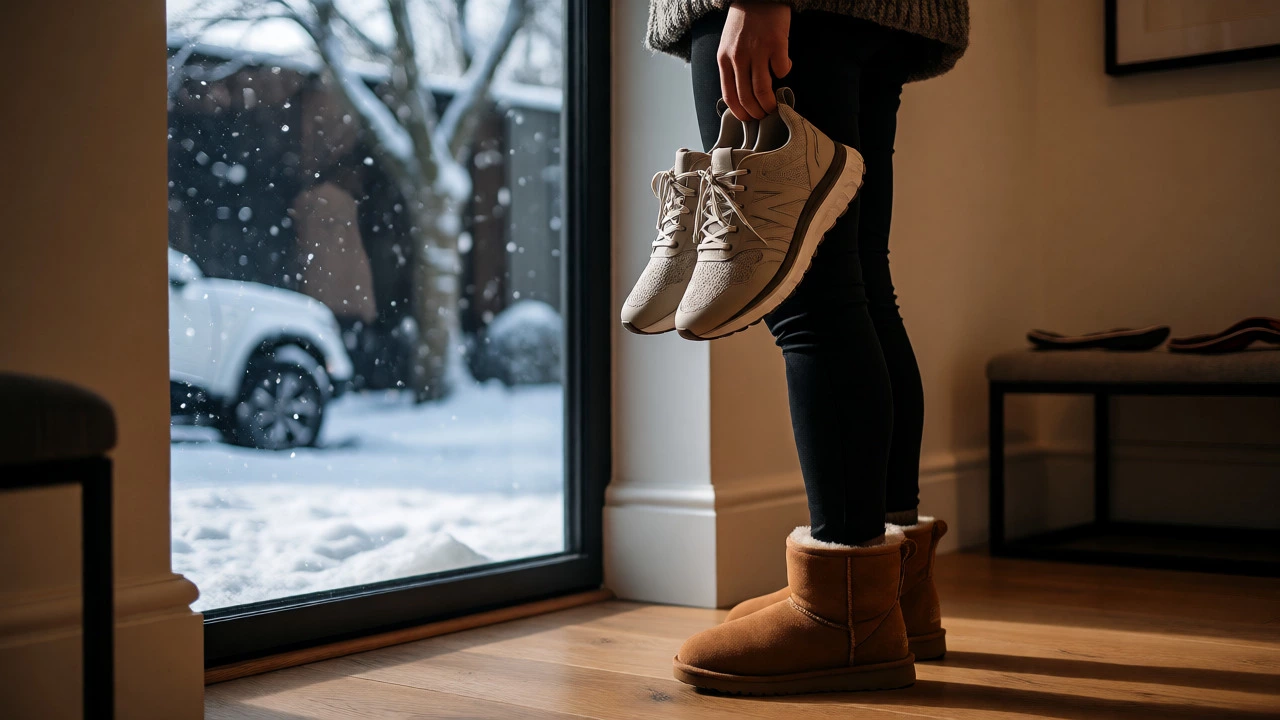
2. Limit Wear Time: Treat them as seasonal accessories, not daily drivers. Swap them out for supportive sneakers once you start walking significant distances.
3. Strengthen Your Feet: If you insist on wearing flat, soft shoes, you must strengthen your intrinsic foot muscles. Calf raises and towel scrunches can help your body compensate for the lack of external support.
The Verdict from the Clinic
So, do podiatrists recommend Uggs? Generally, no-not as primary footwear for active adults. They classify them alongside flip-flops and ballet flats: comfortable for brief moments, detrimental for sustained activity. The trade-off is clear. You gain warmth and style, but you sacrifice biomechanical efficiency.
If you experience no pain and wear them occasionally, enjoy them guilt-free. But if you notice heel pain, lower back stiffness, or knee discomfort after wearing them, take the hint. Your feet are asking for a stiffer platform. Consider rotating between UGGs for casual outings and a pair of structured trainers for anything requiring more than ten minutes of walking.
Can wearing UGGs cause bunions?
UGGs themselves do not typically cause bunions, as they are wide and soft. Bunions are usually caused by narrow, pointed-toe shoes that squeeze the big toe joint. However, the lack of support in UGGs can alter your gait, potentially worsening existing bunion pain or causing secondary inflammation in the joint due to improper alignment.
Are UGGs good for plantar fasciitis?
Mostly no. Plantar fasciitis requires arch support and heel cushioning to reduce strain on the fascia. Standard UGGs lack arch support, which can aggravate the condition. Some newer models come with improved footbeds, but adding a dedicated orthotic insole is usually necessary for relief.
Is it bad to wear UGGs without socks?
Wearing UGGs without socks is common because the sheepskin is designed to wick moisture. However, sweat can accumulate in the lining, creating a breeding ground for bacteria or fungi like athlete's foot. Regular cleaning of the interior and occasional airing out is crucial if you go sockless.
Which UGG styles are best for foot health?
Look for styles labeled with "Treadlite by UGG" or those featuring a contoured footbed. These offer slightly more structure than the classic flat sole. Avoid the ultra-soft, unstructured mini boots if you plan to walk more than a few blocks.
Do podiatrists recommend sheepskin slippers for home use?
Yes, provided they have a sturdy sole. Sheepskin provides excellent temperature regulation and moisture-wicking properties, which keeps feet healthy. The key is choosing a slipper with a rigid base rather than a floppy fabric sole to maintain foot alignment while resting.