Hoodie Quality & Value Calculator
Not sure if that hoodie is worth the price tag? Enter the details below to calculate its true value (Cost Per Wear) and get an estimated quality score based on key indicators from our guide.
Enter your hoodie's details and click "Analyze Hoodie" to see the results.
Cost Per Wear
Lower is better!
Quality Score
You've probably been there. You buy a hoodie because it looks great on the hanger, feels soft in the store, and costs less than your weekly coffee run. Then, after three washes, it's shrunk two sizes, the color has faded to a sad pastel, and the seams are popping open like they're trying to escape. Sound familiar? Choosing a quality hoodie isn't about brand names or hype; it's about understanding materials, construction, and fit. If you want a piece of clothing that lasts years rather than months, you need to know what to look for before you swipe your card.
The Fabric Is Everything
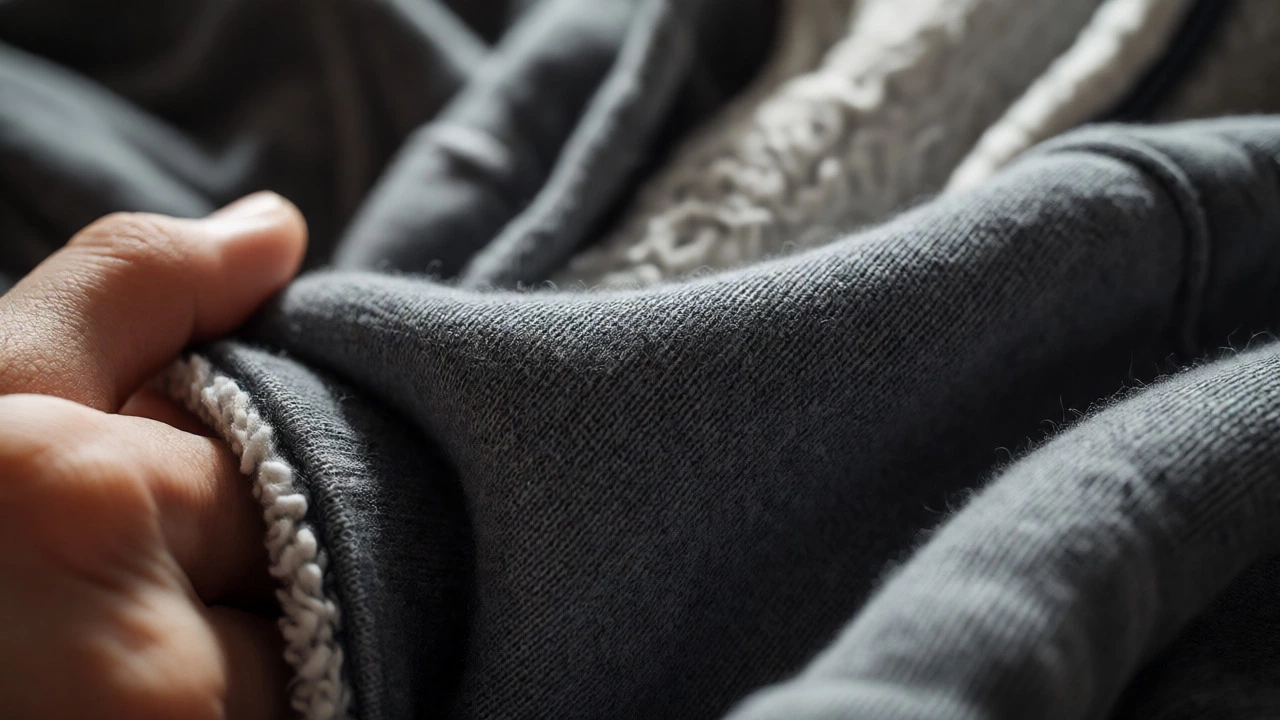
Most people touch a hoodie and think, "Soft," and call it a day. But softness can be a lie. Cheap manufacturers use chemical softeners that wash out quickly, leaving behind rough, thin cotton. The real indicator of quality is weight and composition. Look for GSM (grams per square meter). A standard, cheap hoodie sits around 250-300 GSM. It feels flimsy and offers little warmth. A high-quality hoodie usually starts at 350 GSM and goes up to 450+ GSM for heavyweights. This density means the fabric holds its shape better and traps heat more effectively.
Beyond weight, check the fiber content. Pure cotton is breathable but prone to shrinking and losing shape. A blend with 10-20% polyester adds durability and helps the hoodie retain its structure after washing. However, avoid blends with high synthetic percentages if you live in humid climates, as they trap sweat. For cold weather, look for French Terry or Fleece interiors. French Terry loops provide breathability, while brushed fleece offers maximum insulation. If the tag says "polyester" without specifying the weave, be cautious-it often indicates lower-grade production.
Check the Construction Details
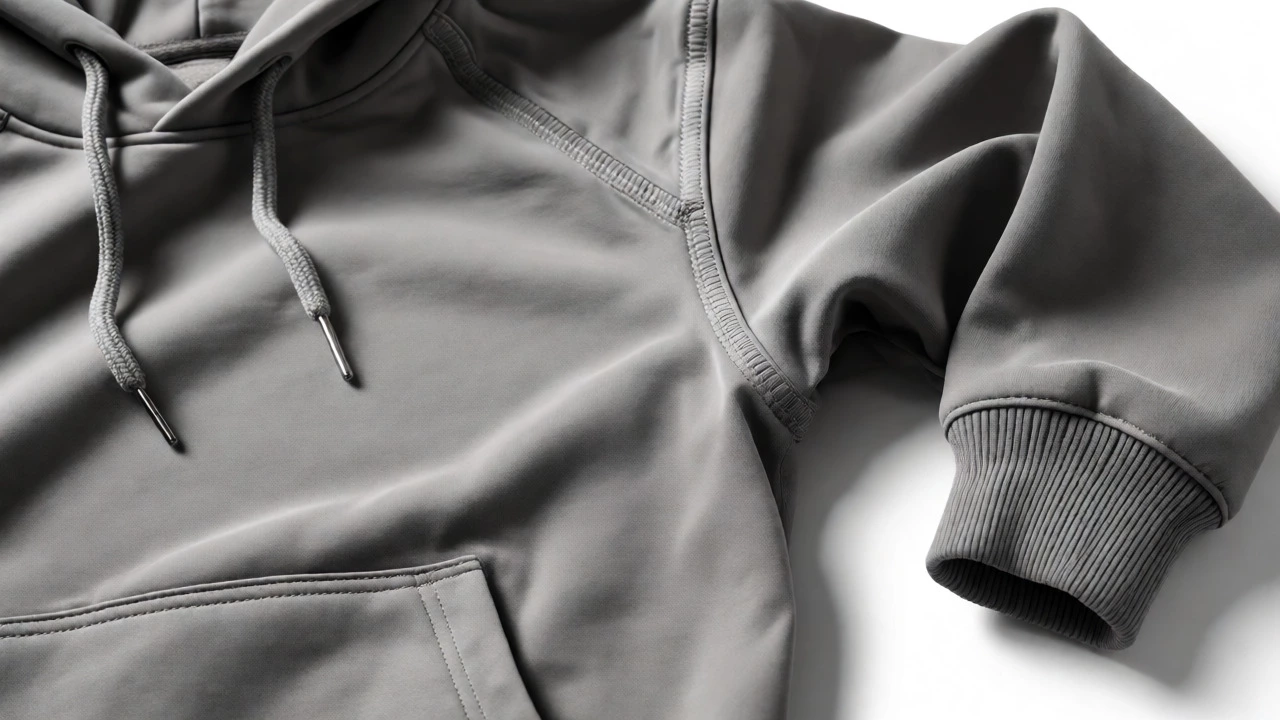
Flip the hoodie inside out. This is where the truth lives. You are looking for stitching integrity. Double-stitched seams are non-negotiable. Single-stitched seams unravel faster, especially at stress points like the shoulders and underarms. Check the hem and cuffs. They should have reinforced stitching. If the elastic in the cuffs feels loose or brittle, it will sag within weeks. Good ribbing maintains tension over time, keeping the hoodie fitted rather than baggy.
Pay attention to the hood itself. A cheap hood collapses into a triangular point when not worn. A well-made hood has structured panels and stays upright naturally. Look for drawstrings that are thick and corded, not thin plastic threads. Metal aglets (the tips of the drawstring) are a sign of care in manufacturing. Also, inspect the kangaroo pocket. It should be sewn securely with double stitching along the edges. If the pocket lining is made of different, thinner fabric than the body, it’s a cost-cutting measure that leads to holes forming exactly where you put your hands.
Understanding Fit and Sizing
Fit is subjective, but quality dictates how a hoodie behaves over time. Cotton shrinks. Even pre-shrunk cotton can shrink 3-5% in the first hot wash. If you plan to tumble dry, buy one size up. If you air dry, stick to your true size. Pay attention to the shoulder seam. It should sit right at the edge of your shoulder bone. If it hangs off, the hoodie is too big; if it pulls tight across your back, it’s too small. A quality hoodie allows full range of motion without pulling at the seams.
Sleeve length matters too. When your arms are down, the cuff should hit just above your wrist bone. If it covers your hands, it’s oversized-which might be the style you want-but ensure the body length balances this. Body length should cover your belt line. Too short, and you’ll feel exposed when raising your arms; too long, and it looks sloppy. Try moving in the store. Raise your arms, twist your torso. Does the fabric restrict movement? Does the hem ride up excessively? A good cut accommodates natural body mechanics.
| Feature | Quality Indicator | Common Pitfall |
|---|---|---|
| Fabric Weight | 350+ GSM, dense hand-feel | <300 GSM, see-through when stretched |
| Stitching | Double-stitched seams, bar-tacks at stress points | Single stitch, loose threads |
| Hood Structure | Structured panels, stays upright | Collapses, triangular point |
| Cuffs/Hem | Tight ribbing, reinforced stitching | Loose elastic, single stitch |
| Pockets | Lined with same fabric, double stitched | Unlined, thin backing fabric |
Wash Care and Longevity
Even the best hoodie dies young if you treat it poorly. Heat is the enemy of cotton blends. Always wash in cold water. Hot water breaks down fibers and causes shrinkage. Turn the hoodie inside out before washing to protect the outer surface from abrasion against other clothes. Use a mild detergent; harsh chemicals degrade dyes and weaken fibers.
Drying is critical. Tumble drying on high heat is a shortcut to ruin. Air drying is ideal. If you must use a dryer, choose low heat or no heat. Remove the hoodie while slightly damp and lay it flat to finish drying. Hanging wet hoodies stretches the shoulders due to the weight of the water. Fold them instead. Following these steps can double the lifespan of your garment. Think of it as an investment in maintenance rather than a chore.
Price vs. Value Analysis
A $20 hoodie from a fast-fashion retailer seems like a bargain until you calculate the cost per wear. If it lasts six months and you wear it twice a week, that’s roughly $0.76 per wear. A $80 hoodie that lasts five years, worn twice a week, costs about $0.15 per wear. Quality pays off financially in the long run. Higher price points usually reflect better sourcing of raw materials, ethical labor practices, and stricter quality control during manufacturing.
However, expensive doesn’t always mean quality. Some brands charge for logos, not craftsmanship. Read reviews focusing on durability. Look for comments about pilling, fading, or seam failure after multiple washes. Brands known for basics often excel here because they focus on consistency rather than trendy cuts. Check return policies. A company confident in its product will offer generous returns. If returning a hoodie is difficult, tread carefully.
Ethical and Environmental Considerations
Choosing quality also means considering impact. Fast fashion contributes significantly to textile waste. Buying fewer, better items reduces your footprint. Look for certifications like GOTS (Global Organic Textile Standard) or OEKO-TEX. These labels verify that harmful substances were excluded and environmental criteria were met. While not every quality hoodie carries these certs, they add a layer of assurance regarding material safety and production standards.
Support brands that offer repair services or take-back programs. This extends the lifecycle of the garment. In Wellington, we deal with variable weather-sunshine, rain, wind, and sudden cold snaps. A versatile, durable hoodie is essential gear. Investing in one that withstands our specific climate conditions makes practical sense. Don’t just buy for aesthetics; buy for resilience.
What is the best fabric for a warm hoodie?
For maximum warmth, look for heavyweight fleece-lined cotton or cotton-polyester blends with a GSM of 400 or higher. Brushed interior fabrics trap heat effectively, making them ideal for cold climates.
Do expensive hoodies last longer than cheap ones?
Generally, yes. Higher-priced hoodies typically use denser fabrics, better stitching techniques, and higher-quality hardware. This results in greater resistance to shrinking, fading, and seam failure over time.
How do I prevent my hoodie from shrinking?
Wash in cold water and avoid high-heat drying. Air drying is the safest method. If using a dryer, select the lowest heat setting and remove the hoodie while still slightly damp to reshape it by hand.
Is 100% cotton better than a blend?
It depends on your needs. 100% cotton is more breathable and softer but shrinks more easily. Blends with polyester offer better shape retention and durability but may be less breathable. For longevity, blends often perform better.
What does GSM mean for hoodies?
GSM stands for Grams per Square Meter. It measures fabric weight and thickness. Higher GSM indicates a heavier, denser, and generally warmer hoodie. Anything below 300 GSM is considered lightweight; 350+ GSM is medium to heavy.