Suit Fit & Style Advisor
Enter your body type and key measurements to get personalized recommendations for jacket cut, trouser rise, lapel width, and fabric choices based on expert tailoring guidelines.
Walk into any department store and you’ll see racks of suits that look identical from ten feet away. But step closer, and the differences are glaring. One hangs like a tent; another pulls at the shoulders. The difference between looking sharp and looking sloppy isn’t just about price-it’s about fit. Most men buy suits off the rack and hope for the best, but that’s like buying shoes in a size guess. You need to know your measurements, understand your shape, and know what to ask for when you walk into a tailor’s shop.
Finding a suit that looks good on you is less about chasing trends and more about geometry. It’s about balancing proportions so the fabric complements your frame rather than fighting it. Whether you’re broad-shouldered, slim, or carry weight around your midsection, there’s a cut designed for you. This guide breaks down exactly how to identify that cut, measure yourself accurately, and make small adjustments that transform an average jacket into a custom-looking masterpiece.
Understanding Your Body Shape
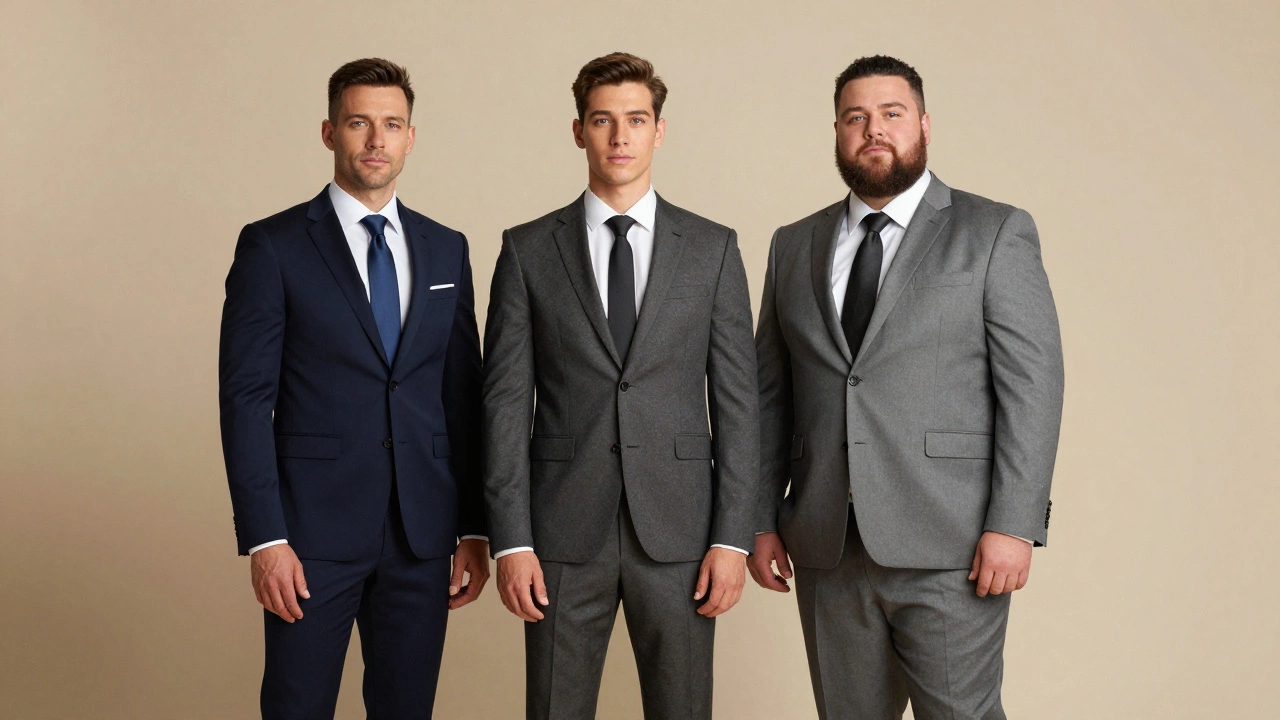
Before you even touch a hanger, you need to understand the canvas you’re working with. Suits are built on specific blocks-patterns that assume a certain ratio of shoulder width to waist circumference. If your body doesn’t match that block, the suit will never sit right, no matter how expensive it is. There are three primary male body types that dictate suit selection:
- The Athletic Build: Broad shoulders and chest with a narrower waist. These guys often struggle with jackets that are too tight across the back or too loose at the stomach.
- The Slim Build: Narrower shoulders and a straight torso. Standard suits often hang loosely here, creating excess fabric that swallows the frame.
- The Heavyset Build: Broader midsection with potentially narrower shoulders relative to the belly. Off-the-rack suits here can pull tightly at the buttons while gaping at the armscyes.
If you fall into the athletic category, look for suits labeled "athletic fit" or "tailored fit." These cuts have extra room in the chest and taper sharply at the waist. For slim builds, avoid "classic" or "regular" fits, which add unnecessary bulk. Instead, seek out "slim fit" or "modern fit" options that use less fabric and sit closer to the body. If you’re heavyset, prioritize comfort without sacrificing structure. Look for "comfort fit" styles that offer more ease through the seat and thighs, but ensure the shoulder pads still align with your actual shoulder bone.
The Shoulder Test: The Non-Negotiable Rule
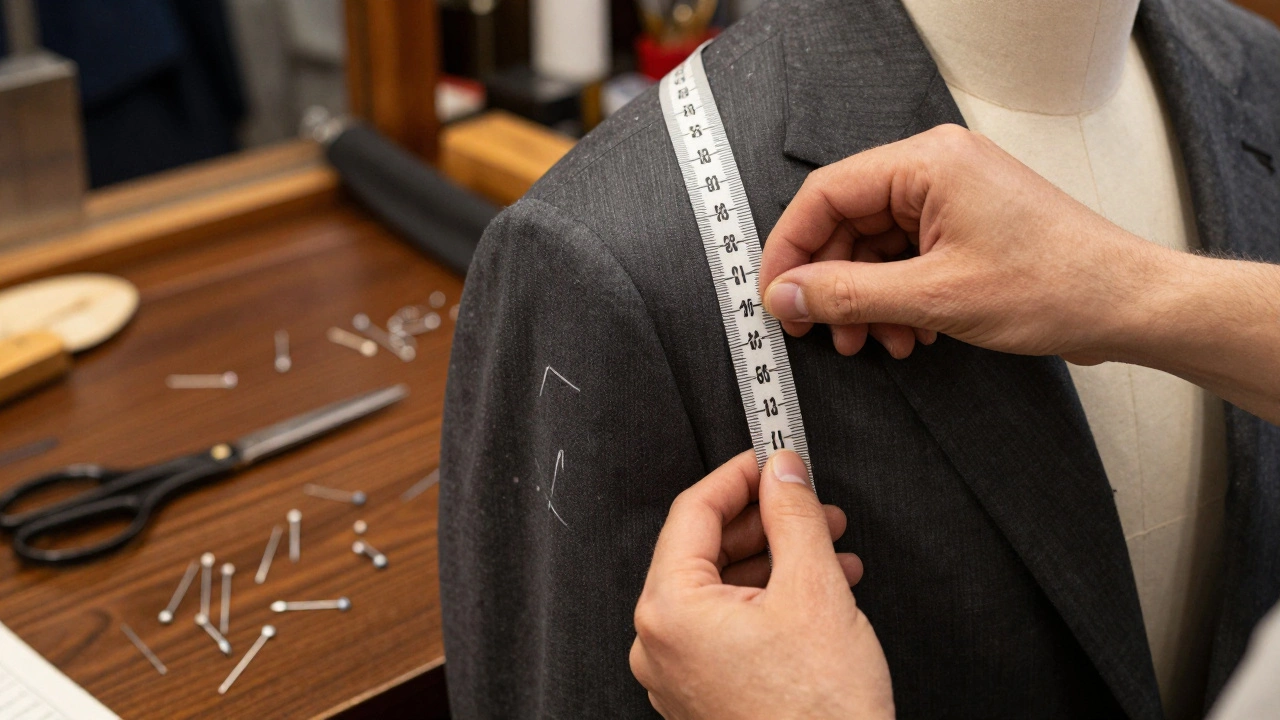
Here is the single most important rule in suit fitting: Shoulders must fit perfectly off the rack. Tailors can take in the waist, shorten the sleeves, and adjust the trousers, but they cannot easily change the shoulder width or slope. If the seam where the sleeve meets the jacket extends past your natural shoulder bone, the suit is too big. If it pinches before reaching the edge of your shoulder, it’s too small.
Stand up straight and relax your arms. The jacket’s shoulder pad should end exactly where your shoulder ends. There should be no divots or wrinkles radiating from the collar area. Wrinkles here indicate the jacket is pulling because the shoulders are too narrow. Horizontal folds above the button mean the shoulders are too wide. Get this right first. Everything else is secondary.
Chest, Waist, and Length Proportions
Once the shoulders are locked in, move down to the torso. The jacket should skim your body, not hug it like a shirt, nor billow like a parachute. When you button the jacket, you should be able to slide a fist comfortably between your chest and the fabric. This ensures you have enough room to move and breathe without the jacket straining at the seams.
For the waist suppression (the taper), check the silhouette in a mirror. An athletic build benefits from significant suppression to highlight the V-shape. A heavier build might prefer minimal suppression to avoid accentuating the midsection. Regarding length, the classic rule is that the jacket should cover your buttocks. However, modern styling has shifted slightly shorter. A good test: stand with your arms at your sides. The bottom of the jacket should reach the curve of your hand.
Sleeve length is another common pitfall. Many men wear suits with sleeves that cover their entire hands. In formal menswear, you want to see about half an inch of your shirt cuff peeking out. This adds a layer of visual interest and signals attention to detail. If the sleeves are too long, a tailor can usually let them out if there is enough fabric inside, but shortening them is always easier.
Trousers: Rise, Break, and Width
A suit is only as good as its pants. The rise-the distance from the crotch to the waistband-is crucial for comfort and aesthetics. High-rise trousers sit at the natural waist and provide better support, especially for those with larger bellies. Mid-rise sits on the hips and is more casual. Low-rise is generally discouraged in formal settings as it can create unflattering bunching.
Next, consider the "break." This is how the trouser leg rests on the shoe. No break means the hem barely touches the top of the shoe. A slight break creates a small horizontal fold. A full break pools significantly over the shoe. For a clean, modern look, aim for a slight break. It elongates the leg line and keeps the outfit looking crisp. Full breaks tend to shorten the appearance of your legs and can look dated unless you’re going for a very traditional, conservative style.
Leg width should complement your shoe and overall proportion. Slimmer legs pair well with sleek dress shoes, while wider legs work better with chunkier boots or loafers. Ensure the trousers aren’t so tight that they outline every contour of your leg, nor so baggy that they look like curtains.
Color, Pattern, and Fabric Choices
Fabric dictates both the look and the seasonality of your suit. Wool is the gold standard because it breathes, resists wrinkles, and drapes beautifully. For spring and summer, choose lightweight wool (tropical wool) or linen blends. Linen looks great but wrinkles instantly, so embrace the texture rather than fighting it. For winter, opt for flannel or heavier worsted wool.
When it comes to color, navy blue is the most versatile suit you can own. It works for business meetings, weddings, and evening events. Charcoal gray is second, offering a slightly more serious tone. Black suits are reserved for very formal events like funerals or black-tie affairs; wearing one to a daytime office meeting can look costumey. Avoid bold patterns unless you’re confident in your style. Subtle textures like birdseye or herringbone add depth without overwhelming your frame.
| Feature | Athletic Build | Slim Build | Heavyset Build |
|---|---|---|---|
| Shoulder Fit | Exact match to bone | Exact match to bone | Exact match to bone |
| Jacket Cut | Tapered waist, roomy chest | Slim, close-fitting | Comfort fit, straight cut |
| Trouser Rise | Mid to High | Mid | High for support |
| Lapel Width | Moderate to Wide | Narrow to Moderate | Moderate to Wide |
| Fabric Weight | Medium | Light to Medium | Medium to Heavy |
The Tailor Is Your Best Friend
Even the most expensive off-the-rack suit will rarely fit perfectly without alterations. Think of tailoring as the final polish. Common adjustments include taking in the waist, shortening the jacket body, adjusting sleeve length, and tapering the trousers. A good tailor can also drape the jacket slightly to enhance the shoulder line or remove excess padding from the chest if you’re already muscular.
Don’t skip the cost of alterations. Spending $200 on a suit and $50 on tailoring yields a better result than spending $300 on a suit that fits poorly. Bring a shirt you plan to wear under the suit to your fitting appointment. This helps the tailor account for the bulk of the fabric and ensures the sleeves and collar sit correctly.
Trying On: What to Look For in the Mirror
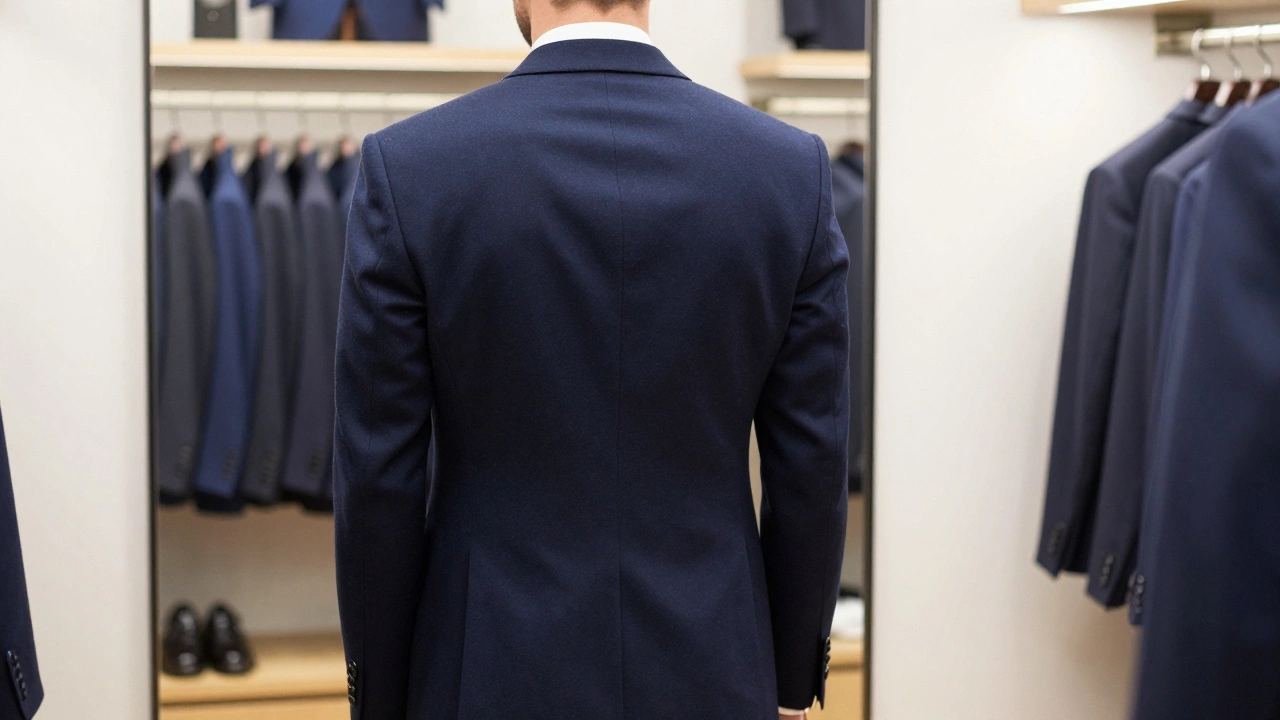
When trying on suits, don’t just look at the front. Turn around. Check the back for horizontal wrinkles, which indicate the jacket is too tight across the back. Look for vertical folds, which suggest the jacket is too long or the shoulders are too wide. Sit down in a chair. Does the jacket ride up uncomfortably? Do the trousers pinch at the thighs? Movement is key. A suit should allow you to cross your arms, shake hands, and sit without feeling restricted.
Pay attention to the collar. It should lie flat against your shirt collar with no gap. Gaping collars are a sign that the jacket is too small or the shoulders are misaligned. Also, check the button stance. For a two-button suit, only the top button should be fastened. The bottom button is decorative and should remain open. If the jacket pulls open when you button the top, it’s too tight.
What is the most important part of a suit fit?
The shoulders are the most critical component. Because altering shoulders requires reconstructing the jacket, they must fit perfectly off the rack. If the shoulders are wrong, the rest of the suit will look distorted regardless of other adjustments.
How do I know if a suit jacket is too big?
Signs include excess fabric wrinkling horizontally across the back, the collar gaping away from your neck, and the jacket extending well past your buttocks. Additionally, if you can fit more than a fist between your chest and the jacket, it is likely too large.
Should suit trousers have a break?
A slight break is generally recommended for a balanced, modern look. It creates a small fold where the pant leg meets the shoe. No break looks very contemporary and sharp, while a full break can appear dated and shorten the leg line.
Can I alter the shoulders of a suit?
Not really. While minor tweaks to padding are possible, changing the actual width or slope of the shoulders is extremely difficult and expensive. It often compromises the structure of the jacket. Always prioritize shoulder fit when shopping.
What suit color is best for beginners?
Navy blue is the most versatile choice. It pairs well with white, light blue, and pink shirts, and works for both business and social occasions. Charcoal gray is a strong second option for more formal environments.