Work Shoe Comfort & Survival Score Calculator
Check off the items below that apply to your current setup. See how well-prepared you are for a 10-hour shift.
Survival Readiness
Standing for ten hours straight feels like an eternity when your feet start screaming at hour four. Whether you’re a nurse, retail worker, teacher, or factory floor employee, the physical toll of prolonged standing is real. It’s not just about finding a pair of sneakers; it’s about building a strategy that protects your joints, boosts your circulation, and keeps your energy levels from crashing before your shift ends.
The secret isn’t magic-it’s biomechanics. When you stand still, your heart has to work harder to pump blood back up against gravity. Your arches collapse under constant pressure, and your lower back compensates by stiffening. To survive a long shift, you need gear that supports these mechanics and habits that keep your body moving efficiently. Let’s break down exactly how to protect yourself from the ground up.
The Foundation: Choosing the Right Work Shoes
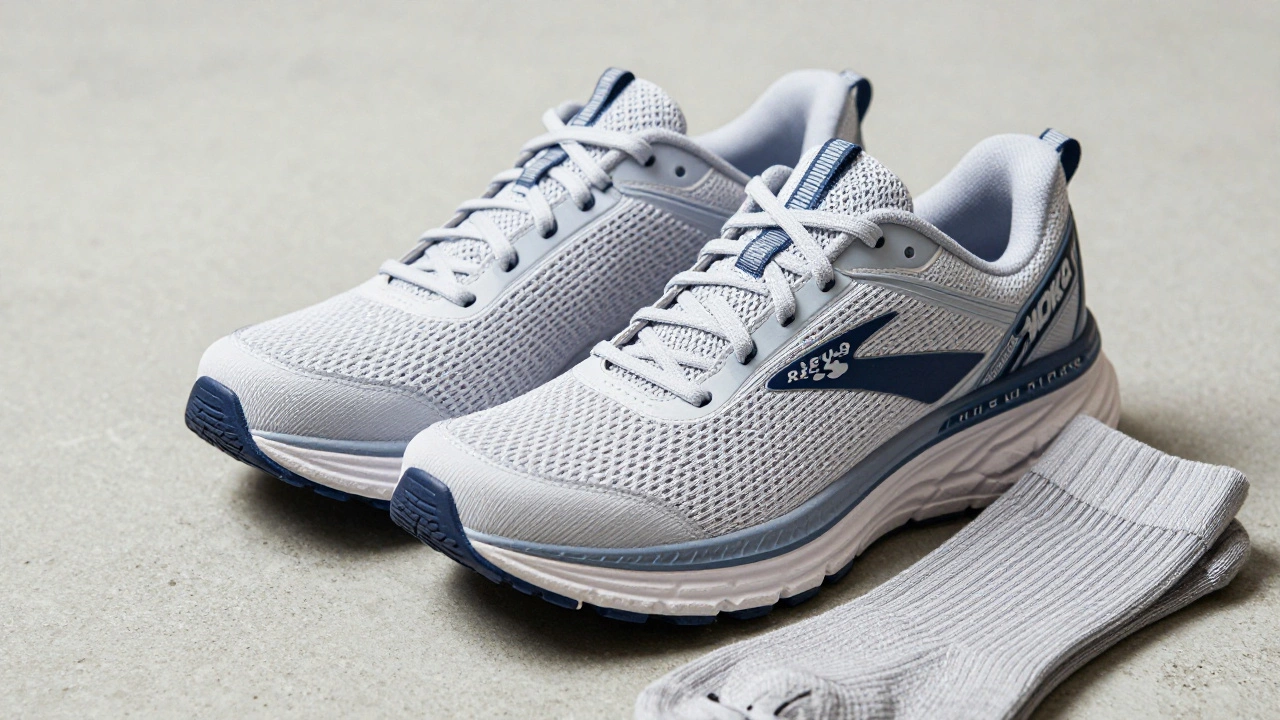
Your shoes are the first line of defense. If you’re wearing flat, unsupportive footwear, no amount of stretching will save you. You need work shoes that provide specific structural support. Look for three non-negotiable features: cushioning, stability, and breathability.
- Cushioning: This absorbs the impact of every step. Memory foam is popular, but high-density EVA (ethylene-vinyl acetate) or polyurethane midsoles often last longer and provide better rebound. Brands like Hoka One One and Brooks excel here with their maximalist cushioning platforms.
- Stability: A wide base prevents your ankles from rolling inward or outward. Look for a shoe with a firm heel counter-the hard part at the back of the shoe that cups your heel. This keeps your foot aligned and reduces strain on your Achilles tendon.
- Breathability: Ten hours in enclosed shoes means sweat. Moisture leads to blisters and fungal infections. Mesh uppers allow air to circulate, keeping your feet cooler and drier.
Avoid completely flat soles like Converse or Vans for heavy-duty standing jobs. They offer zero arch support and minimal shock absorption. Instead, opt for models designed for walking or running, as they are engineered to handle repetitive impact. Many healthcare workers swear by the Skechers Arch Fit series or the New Balance Fresh Foam X because they balance softness with structure.
| Brand/Model | Best For | Cushioning Type | Durability |
|---|---|---|---|
| Hoka Bondi SR | Maximum Cushioning | Full-compression EVA | High |
| Skechers Arch Fit | Budget-Friendly Support | Memory Foam + Arch Podiatrist-Designed | Medium |
| New Balance Fresh Foam X | All-Day Walking | Fresh Foam Midsole | High |
| Brooks Ghost | Stability & Balance | DNA LOFT | Very High |
The Hidden Layer: Insoles and Orthotics
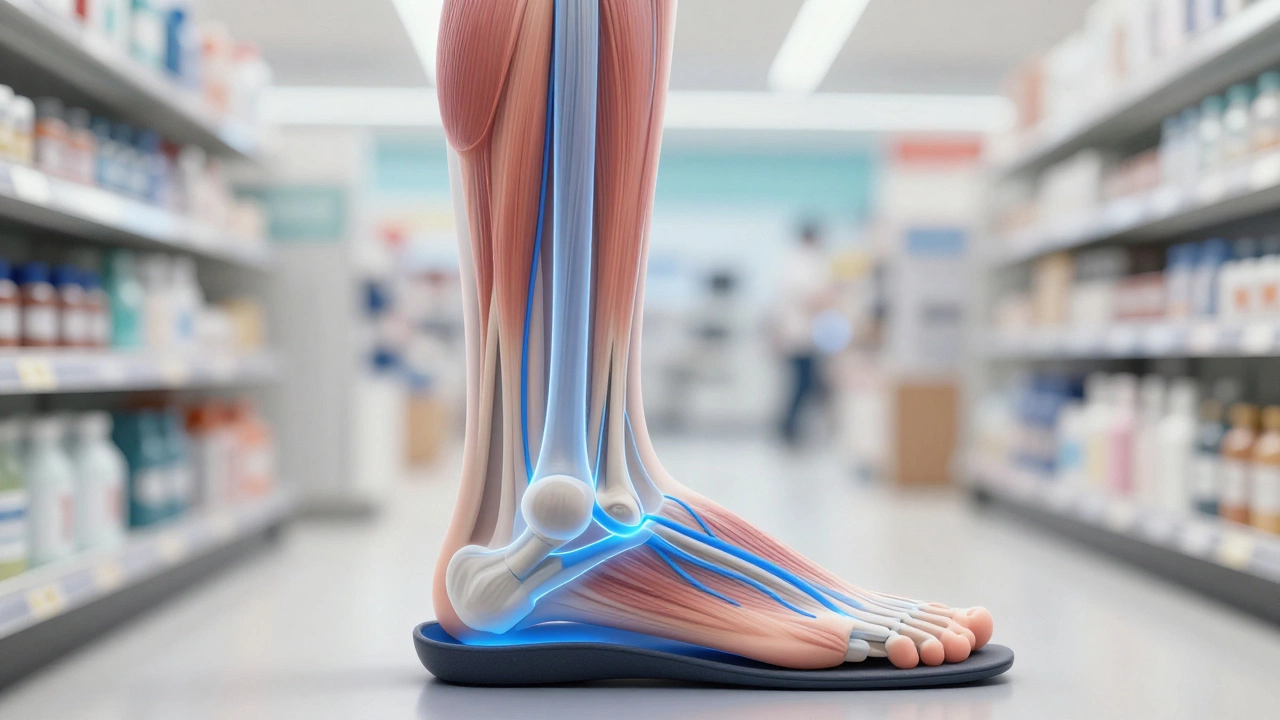
Even the best shoes lose their shape after six months. That’s where quality insoles come in. Factory-installed insoles are often thin and generic. Replacing them with custom or semi-custom orthotics can transform your comfort level.
If you have flat feet, you need an insole with strong medial arch support to prevent overpronation (when your foot rolls inward). If you have high arches, you need a cushioned insole to distribute pressure evenly across the foot. Dr. Scholl’s and Superfeet offer affordable off-the-shelf options that fit most shoe sizes. For severe pain, consider seeing a podiatrist for custom-molded orthotics. These are expensive but can correct biomechanical issues that cause knee and hip pain later on.
Don’t forget about moisture-wicking socks. Cotton socks trap sweat, leading to friction and blisters. Switch to merino wool or synthetic blends like Coolmax. Merino wool is naturally odor-resistant and regulates temperature, making it ideal for long shifts in varying climates.
Movement Strategies: Don’t Stand Still
Static standing is worse than walking. When you stand perfectly still, your calf muscles relax, and blood pools in your lower legs. This causes swelling, fatigue, and even varicose veins over time. The goal is to keep your calf muscle pump active.
- Shift Your Weight: Every minute, subtly shift your weight from one leg to the other. Imagine you’re rocking gently on a boat. This engages different muscle groups and prevents stiffness.
- Micro-Movements: Do subtle calf raises while waiting in line or standing at a workstation. Lift your heels, hold for two seconds, and lower. This pumps blood back up toward your heart.
- Change Positions: If your job allows, alternate between standing and sitting. Even five minutes of sitting every hour can relieve significant pressure on your spine and legs.
- Walk Around: Take short walks during breaks. Movement increases circulation and flushes out lactic acid that builds up during static standing.
If you’re stuck behind a counter, try placing a small stool or box nearby. Rest one foot on it while you wait for customers. This slightly elevates your leg and reduces the gravitational pull on your blood vessels. Just make sure it’s safe and doesn’t violate workplace safety rules.
Nutrition and Hydration for Endurance
Your feet aren’t working alone. Dehydration makes muscle cramps more likely, and low blood sugar leads to fatigue. Bring a water bottle to work and sip consistently throughout the shift. Aim for at least 2-3 liters of water per day, more if you’re sweating heavily.
Eat balanced meals that provide sustained energy. Avoid sugary snacks that cause energy crashes. Instead, choose complex carbohydrates like oats, whole grains, and lean proteins like chicken or beans. Add potassium-rich foods like bananas or avocados to prevent muscle cramps. Magnesium-rich foods like spinach and almonds also help relax muscles after a long day.
Recovery: What to Do After the Shift
Surviving the shift is only half the battle. Recovery is crucial to prevent chronic pain. Here’s a simple post-shift routine:
- Elevate Your Legs: Lie down and prop your legs up against a wall for 10-15 minutes. This uses gravity to drain fluid from your legs and reduce swelling.
- Stretch: Focus on your calves, hamstrings, and lower back. A simple calf stretch against a wall can relieve tension built up during the day. Hold each stretch for 30 seconds without bouncing.
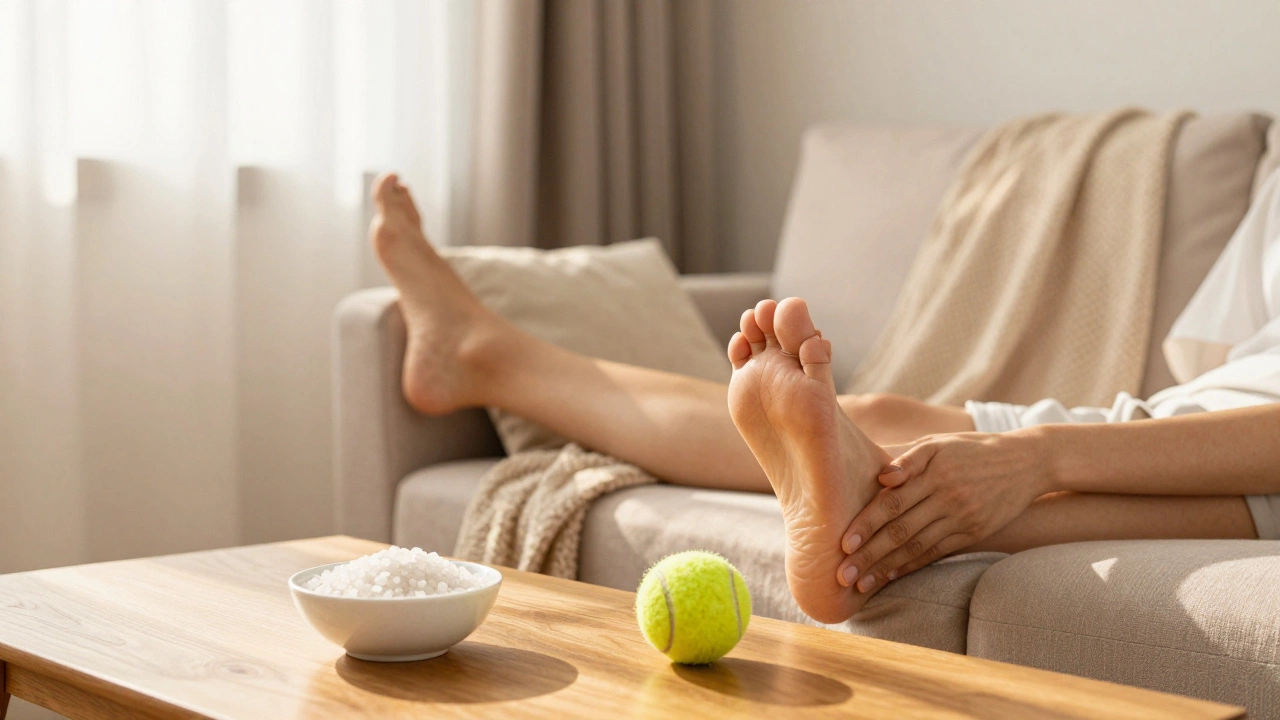
- Cool Down: Take a cool shower or soak your feet in Epsom salt water. The magnesium in Epsom salts may help soothe sore muscles, though scientific evidence is mixed. The cooling effect alone helps reduce inflammation.
- Massage: Use a tennis ball or foam roller under your feet to roll out tight spots. Roll slowly and apply pressure where it feels tender. This stimulates blood flow and releases fascial tension.
Invest in a good mattress and pillow. Poor sleep posture can exacerbate back and joint pain caused by standing all day. Ensure your sleeping environment supports spinal alignment.
When to Seek Professional Help
If pain persists despite changing shoes, using insoles, and following recovery routines, it’s time to see a doctor. Chronic foot pain, numbness, tingling, or sharp pains could indicate conditions like plantar fasciitis, tarsal tunnel syndrome, or stress fractures. Early intervention prevents long-term damage.
A physical therapist can assess your gait and recommend exercises to strengthen weak muscles. They might suggest strengthening your glutes and core, which support your lower back and reduce the load on your legs. Strengthening these areas creates a kinetic chain that distributes weight more effectively.
What is the best shoe brand for standing all day?
There is no single "best" brand, as fit is personal. However, Hoka One One, Brooks, New Balance, and Skechers are consistently rated highest for all-day standing due to their superior cushioning and arch support. Try on multiple brands to find what fits your foot shape best.
Can I wear running shoes for my work shift?
Yes, many running shoes are excellent for standing because they are designed for impact absorption. Look for neutral running shoes with good stability. Avoid racing flats or minimalist shoes, as they lack sufficient cushioning for prolonged standing.
How often should I replace my work shoes?
Replace your work shoes every 6-12 months, depending on usage. Check the midsole for compression-if it looks flattened or cracked, the cushioning is gone. Worn-out shoes increase injury risk significantly.
Do compression socks really help?
Yes, compression socks improve blood circulation and reduce swelling and fatigue. Graduated compression socks (tighter at the ankle, looser at the calf) are most effective. Start with mild compression (15-20 mmHg) if you are new to them.
What stretches should I do during a break?
Focus on calf stretches, hamstring stretches, and gentle lower back twists. Calf stretches against a wall are particularly effective for relieving tension from standing. Hold each stretch for 30 seconds and repeat twice per side.