Hoodie Quality Checker
Answer these questions about the hoodie you are considering to get an instant quality assessment score.
Quality Score
--Detailed Breakdown
You’ve probably been there. You spot a hoodie that looks perfect on the hanger-clean lines, vibrant color, maybe even a cool graphic. You buy it, wear it twice, and suddenly it’s lost its shape, pilled like crazy, or feels more like a paper bag than a cozy layer. It’s frustrating, especially when you paid decent money for it. The truth is, most people judge hoodies by how they look in the store, not by how they’re built. But high-quality hoodies are defined by what you can’t immediately see: the density of the fibers, the tension of the stitching, and the integrity of the fabric blend.
Figuring out if a hoodie is worth your cash doesn’t require a degree in textile engineering. It just requires knowing where to look and what to feel. Whether you’re shopping online or browsing a rack at a local shop, there are specific markers that separate fast-fashion throwaways from pieces that will last you five years or more. Let’s break down exactly how to spot the difference before you swipe your card.
Check the Fabric Weight and GSM
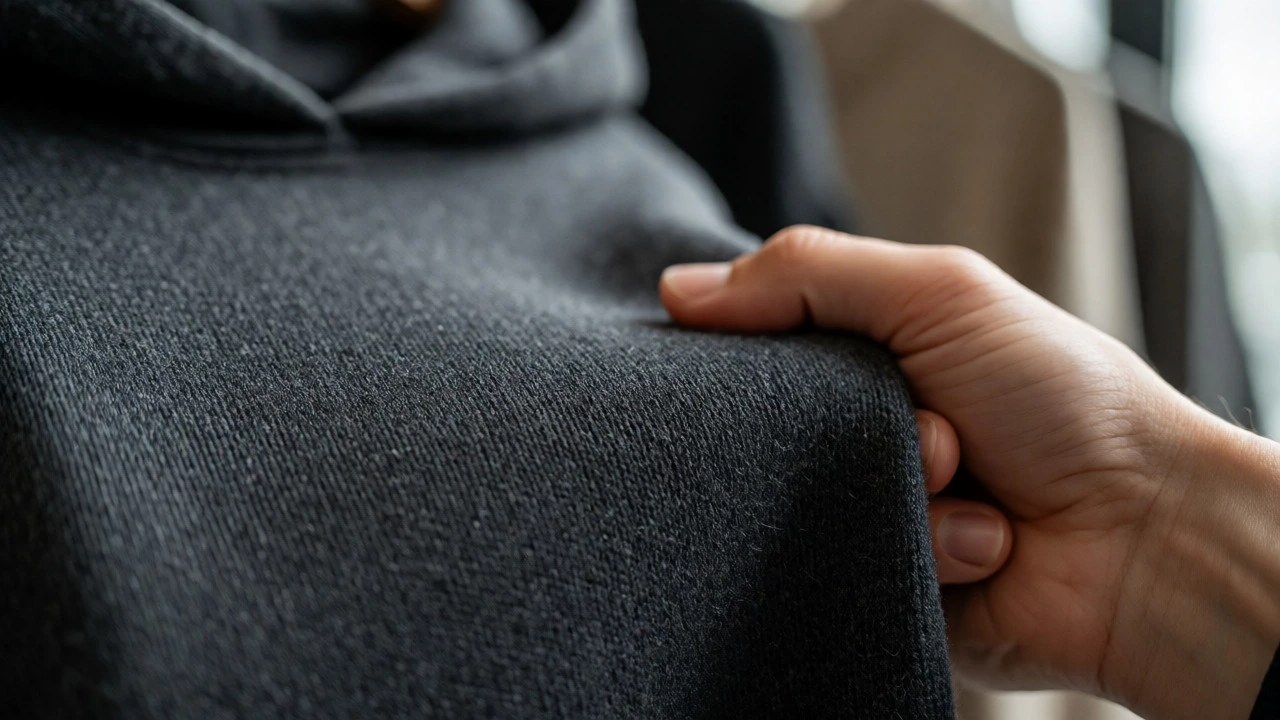
The first thing you should look for on the tag-or ask about if buying online-is the GSM (Grams per Square Meter). This number tells you exactly how heavy and dense the fabric is. Think of it like thread count for sheets, but for sweatshirts. A thin, cheap hoodie might sit around 250-300 GSM. These are fine for summer layers or gym shorts, but they lack structure and warmth.
For a true high-quality hoodie, you want something heavier. Anything above 350 GSM starts feeling substantial. Premium brands often push into the 400-500 GSM range, sometimes called "heavyweight" or "luxury fleece." When you hold a 400+ GSM hoodie, it should feel dense and slightly stiff off the hanger, not floppy. Over time, this weight helps the garment keep its shape rather than stretching out after a few washes. If the tag doesn’t list GSM, check the composition. Heavy cotton blends usually correlate with higher GSM, while vague labels like "polyester blend" often signal thinner, cheaper material.
Inspect the Stitching and Seams
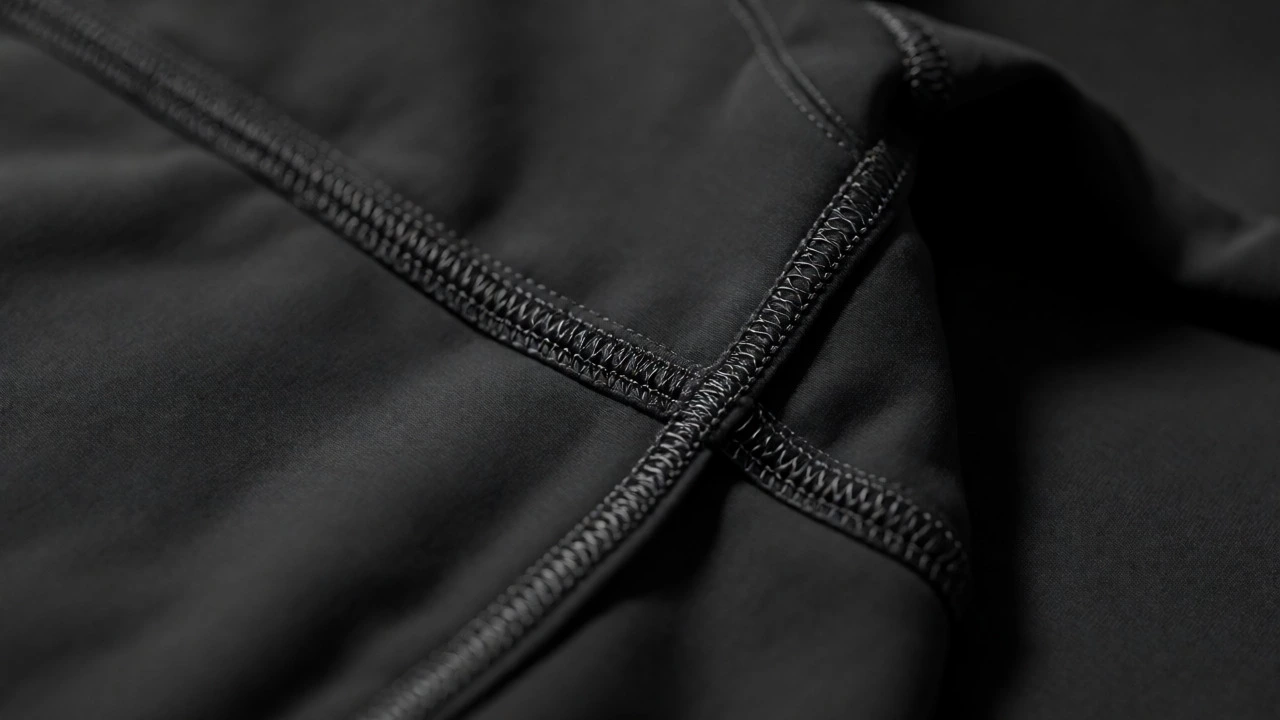
Turn the hoodie inside out. This is non-negotiable. The inside tells the real story of the manufacturing quality. Look closely at the seams. Cheap hoodies use single-needle stitching, which is faster and cheaper to produce but prone to unraveling under stress. High-quality garments typically use double-needle stitching, especially on the side seams and armholes.
Double-needle stitching involves two parallel rows of thread. It adds durability and prevents the seam from popping open when you stretch the fabric. Run your finger along the inside seams. They should feel flat and smooth, not bulky or rough. Bulky seams indicate poor finishing, which leads to chafing against your skin. Also, check the hem and cuffs. Are they reinforced? A well-made hoodie will have ribbed cuffs that snap back into place when stretched. If the ribbing feels loose or thin, it’ll sag over time, giving the whole piece a sloppy look.
Evaluate the Fabric Composition
Not all cotton is created equal, and neither are synthetic blends. The best hoodies usually rely on one of three compositions:
- 100% Cotton: Breathable, softens with age, and hypoallergenic. However, pure cotton shrinks and fades faster unless it’s pre-shrunk or treated.
- Cotton-Polyester Blend (80/20 or 60/40): This is the sweet spot for many. The polyester adds durability, reduces shrinking, and helps the color stay vibrant longer. It also dries faster.
- French Terry vs. Fleece: French Terry has loops on the inside; it’s lighter and breathable, great for mild weather. Fleece is brushed on the inside for warmth. For cold climates like Wellington, fleece is superior, but ensure the brushing is tight. Loose brushing sheds lint everywhere.
Avoid hoodies with high percentages of acrylic or low-grade nylon unless they’re designed for specific technical performance. Acrylic pills easily and traps odors. If you see "recycled polyester," that’s often a good sign of modern ethical production, provided the hand-feel isn’t scratchy.
Test the Hardware and Details
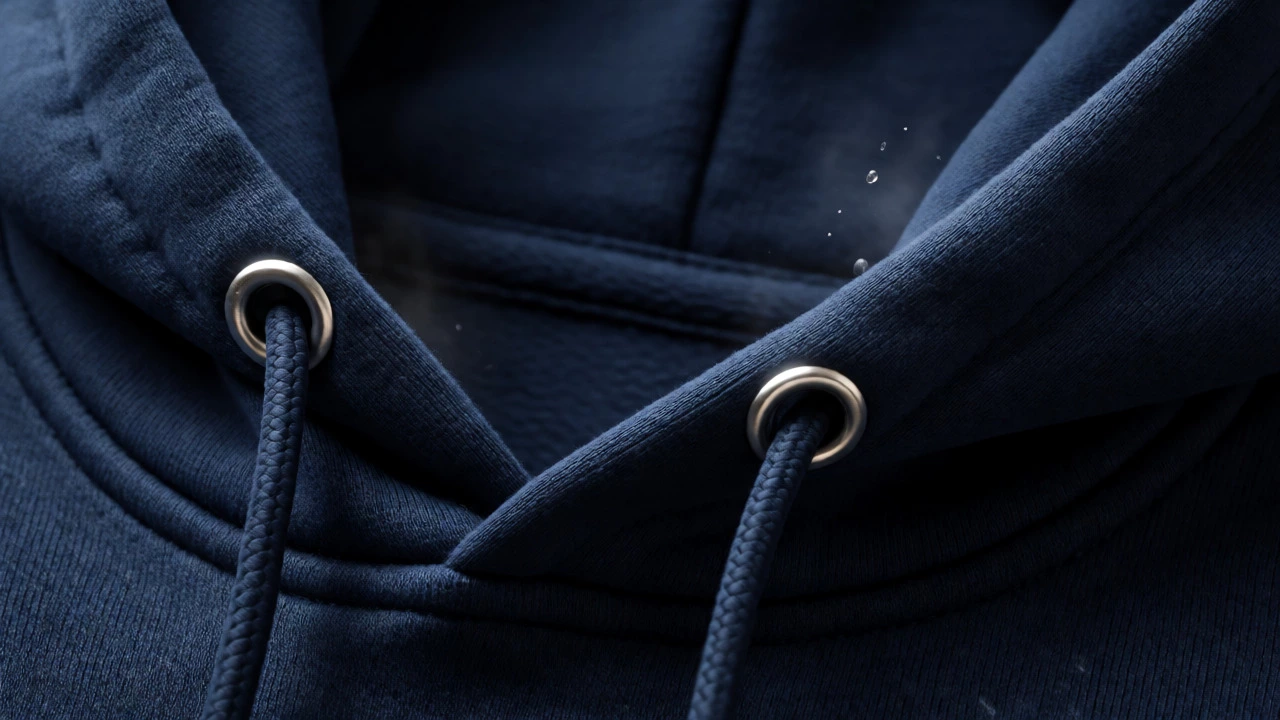
Details matter. Zipper pulls, drawstrings, and eyelets are often the first things to fail on cheap garments. Check the zipper. Does it glide smoothly without catching? Cheap zippers are plastic and brittle; they crack in cold weather or jam in heat. Look for metal zippers or high-end branded plastic ones like YKK. If the hoodie has drawstrings, pull them gently. Do they come out of the aglets (the tips) easily? Are the aglets glued or crimped properly? Crimped aglets are far more durable.
Look at the eyelets where the drawstring exits. Are they reinforced with metal rings? Plastic eyelets crack and tear the fabric over time. Metal grommets are a hallmark of quality. Also, inspect any printed graphics. On cheap hoodies, screen prints crack and peel after a few washes. High-quality prints are either water-based (soft hand-feel, no rubbery texture) or embroidered. Embroidery lasts forever, while plastisol prints tend to stiffen and crack.
Assess the Fit and Cut
High-quality hoodies don’t just hang there; they fit intentionally. Try it on. Shoulders should align with your natural shoulder line unless you’re going for an oversized aesthetic. If the shoulder seam drops too far down unintentionally, it looks sloppy. The length should cover your belt line without bunching up awkwardly.
Move around. Raise your arms. Squat. Does the fabric restrict movement? Good knit fabrics have mechanical stretch. If it feels rigid, the yarn twist is likely too tight or the fiber content is poor. Check the neckline. Ribbed necklines should be tightly knitted. If the neck hole stretches out immediately when you put it on, it won’t bounce back later, leaving you with a gaping collar. A high-quality neckline maintains its shape through hundreds of wears.
Wash Test and Shrinkage
If you’re buying in-store, you can’t wash it yet, but you can ask about shrinkage policies. Most untreated cotton hoodies will shrink 3-5% in the first hot wash. Pre-shrunk cotton minimizes this. Online reviews are your best friend here. Search for terms like "shrunk," "faded," or "pill." If multiple users complain about these issues, believe them.
Once you own it, wash it inside out in cold water. Air dry if possible. Tumble drying high heat is the enemy of longevity, causing fibers to break down and colors to fade. A high-quality hoodie survives dozens of washes with minimal degradation. If it looks brand new after ten cycles, you made a good choice.
| Feature | Fast Fashion / Low Quality | High Quality / Premium |
|---|---|---|
| Fabric Weight (GSM) | 250-300 GSM (Thin, flimsy) | 350-500+ GSM (Dense, structured) |
| Stitching | Single-needle, uneven tension | Double-needle, flatlock seams |
| Composition | High synthetic % or unbranded cotton | Heavyweight cotton or balanced blend |
| Hardware | Plastic eyelets, weak zippers | Metal grommets, YKK zippers |
| Neckline | Loose ribbing, stretches out | Tight ribbing, retains shape |
Is a 100% cotton hoodie better than a blend?
It depends on your priority. 100% cotton is softer and more breathable but tends to shrink and fade faster. A cotton-polyester blend (like 80/20) offers better durability, color retention, and less shrinkage. For everyday wear, blends often last longer, while pure cotton ages with a vintage character if cared for properly.
What does GSM mean for hoodies?
GSM stands for Grams per Square Meter. It measures fabric density. Lower GSM (under 300) means thin, lightweight fabric suitable for summer. Higher GSM (350+) indicates a heavier, warmer, and more durable hoodie. Premium hoodies typically start at 400 GSM.
Why do my hoodies pill so quickly?
Pilling happens when short fibers break and tangle on the surface. It’s common in lower-quality cotton or fabrics with loose twists. To prevent it, wash inside out, avoid harsh detergents, and air dry. Choosing heavier, tightly-knit fabrics reduces pilling significantly.
Are expensive hoodies always higher quality?
Not necessarily. Brand markup exists. Some mid-range brands offer excellent construction using heavyweight fabrics and double-stitching. Always check the physical attributes (GSM, stitching, hardware) rather than relying solely on the price tag or logo.
How should I wash a high-quality hoodie?
Wash in cold water on a gentle cycle, turning the hoodie inside out to protect prints and reduce friction. Avoid bleach. Air dry or tumble dry on low heat. High heat damages elastic fibers and causes shrinkage.