Vintage Jacket Classifier & Value Estimator
Enter details about a jacket you are considering buying or selling to see how it is classified by industry standards and get an estimated value range.
Enter jacket details to begin classification.
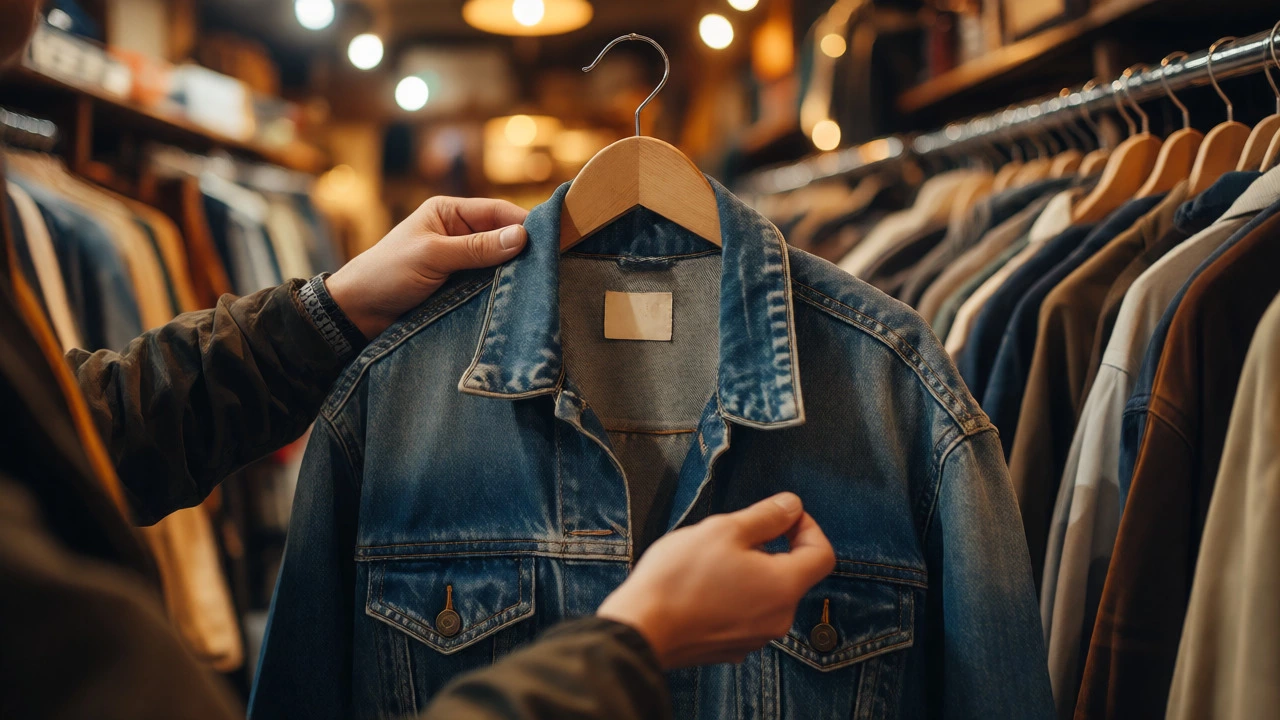
You’re standing in a thrift store in Wellington, holding a denim jacket that looks worn but sturdy. The tag says it was made in 2006. You hesitate. Is this vintage clothing, or is it just old stuff someone threw out? This confusion is everywhere right now. Social media has blurred the lines between "retro," "antique," and "vintage," leaving many of us guessing when we shop.
Here is the short answer: No, 20-year-old clothing is generally not considered true vintage by industry standards. It is classified as "retro" or "used." However, the market is shifting. While purists stick to strict definitions, modern buyers often treat anything over 15-20 years old with a vintage mindset. If you are looking to sell your old jackets or buy them for resale, understanding these distinctions saves you money and time.
The Hard Numbers: What Actually Counts as Vintage?
To understand why your 2006 jacket might not fit the bill, you need to look at how the fashion industry and auction houses define age categories. These aren't arbitrary rules; they help determine value, insurance, and collectibility. Here is the breakdown most experts use:
- Antique: Over 100 years old. Think Edwardian lace or early 20th-century wool coats. These are rare and usually museum-grade.
- Vintage: Typically 20 to 99 years old. Most reputable dealers start their "vintage" section at items from the 1980s or earlier. For a garment to be vintage today (in 2026), it usually needs to be from 2006 or older, but ideally pre-2000.
- Retro: Items that mimic the style of a past era but were made recently, or recent items (last 10-20 years) that evoke nostalgia. This is where your 20-year-old jacket sits.
- Modern/Used: Anything less than 10-15 years old. This is standard secondhand clothing.
Notice the gap? There is no official "legal" definition enforced by law, which is why confusion persists. But if you walk into a high-end vintage boutique in Auckland or London, a clerk will likely tell you that a jacket from 2006 is too new to carry the premium price tag of true vintage. They reserve that label for pieces with historical significance, specific manufacturing techniques (like selvedge denim before mass automation), or iconic cultural status.
Why the 20-Year Rule Exists (And Why It’s Breaking)
The idea that something becomes vintage after two decades comes from a simple fact: generational distance. When an item is 20+ years old, the people who wore it originally are no longer buying it new. It enters the secondary market not as a replacement, but as a curiosity. This creates scarcity.
However, fast fashion has disrupted this timeline. In the early 2000s, brands like Zara and H&M began producing massive volumes of trend-driven clothing. Much of this stuff wasn’t built to last. A polyester-blend blazer from 2006 might fall apart faster than a wool coat from 1976. Because of this, collectors often skip the early 2000s entirely, jumping straight to the 1990s grunge era or the 1980s power dressing period.
But here is the twist: Gen Z and younger Millennials are driving a different narrative. To them, Y2K fashion (late 90s to early 2000s) is highly desirable. Brands like Diesel, Levi’s, and Nike from 2004-2008 are seeing a resurgence. So, while a generalist might call your 2006 track jacket "just used," a niche reseller on Depop or Vinted might list it as "Y2K Vintage" because it fits a specific aesthetic trend. Context matters more than the calendar.
Jackets: The Special Case for Age Classification
You mentioned jackets specifically, and this is crucial. Jackets hold their value differently than t-shirts or dresses. Why? Construction. A well-made leather, denim, or wool jacket from 20 years ago can still function perfectly. A dress from the same era might have elastic degradation or color fading issues.
If you are evaluating a jacket for its vintage potential, check these three things:
- Fabric Composition: Look for natural fibers. Wool, cotton, linen, and leather age gracefully. Synthetic blends from the mid-2000s often pill, crack, or lose shape. If your 2006 jacket is 100% cotton denim, it has better longevity-and thus better resale appeal-than a polyester mix.
- Brand Heritage: Was this jacket made by a company known for durability? A Carhartt chore coat from 2005 is already gaining traction in workwear circles. A generic mall-brand jacket from the same year is likely worthless unless it has a unique print.
- Manufacturing Details: Check the tags. Are there union labels? Specific care instructions that haven’t changed in decades? Small details signal quality. Mass-produced fast fashion rarely has these markers.
| Jacket Type | Age Threshold for "Vintage" Label | Key Value Drivers | Common Pitfalls |
|---|---|---|---|
| Denim | Pre-2000 (Ideal), Pre-2006 (Acceptable) | Selvedge edges, raw indigo fade, brand history (Levi's, Wrangler) | Over-washed fabric, synthetic stretch blends |
| Leather | Pre-2010 | Full-grain leather, patina development, lining condition | Dry rot, plastic-like coating, zipper failure |
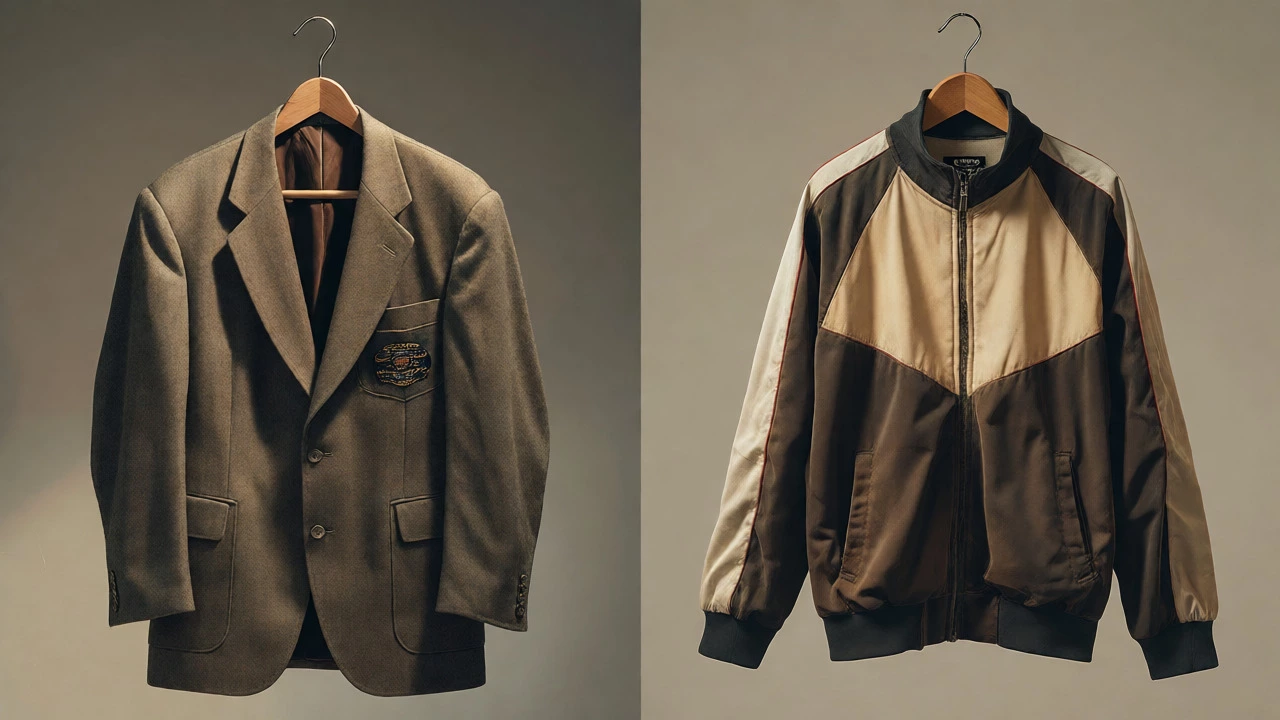
| Wool/Tweed | Pre-2000 | Weave quality, tailoring structure, moth damage absence | Pilling, outdated cuts that don't flatter modern bodies |
| Bomber/Nylon | Pre-2005 | Original hardware, lack of cracking, military specs | Fabric delamination, faded prints |
How to Spot the Difference: Retro vs. Vintage
If you are shopping online, sellers love to slap the word "vintage" on everything to boost search visibility. Don’t let them fool you. Here is how you can spot the difference yourself without being an expert.
First, look at the size tags. Vintage clothing often uses different sizing standards. A "Medium" from 1995 is not the same as a "Medium" from 2026. If the tag says "Ladies Size 10" but fits like a modern Small, it’s likely older. Second, check the construction. Did they use serged seams or French seams? Were buttons sewn on with thread that matches the fabric exactly, or did they use contrasting thread for speed? Modern manufacturing prioritizes speed; older manufacturing often prioritized durability or specific aesthetic finishes.
Third, examine the wear patterns. True vintage shows natural wear. Elbows might be thin, collars softened. Retro or heavily used modern clothes often show unnatural wear-like pilling all over the chest from washing machines, or fading only on the shoulders from sun exposure while the rest stays bright. Natural aging is uneven; industrial aging is uniform.
Should You Buy or Sell 20-Year-Old Clothes?
This depends on your goal. If you want to make money, selling a 20-year-old generic jacket as "vintage" might get you a few extra dollars, but buyers are getting smarter. They read descriptions. If you mislabel it, you risk negative reviews.
Instead, use accurate keywords. List it as "Retro," "Y2K," or "Early 2000s Style." This attracts the right audience. People looking for Y2K aesthetics know what they want. They aren’t necessarily looking for 1970s authenticity; they want the specific vibe of the Britney Spears or Eminem era. Calling it "vintage" might actually deter them if they associate that term with musty, older styles.
If you are buying, ask yourself: Am I paying for history, or am I paying for style? If you pay vintage prices ($50-$100+) for a 2006 jacket that isn’t a designer icon, you are overpaying. You can find similar styles in thrift stores for $10-$20. The premium for true vintage should reflect rarity and condition, not just age.

The Environmental Angle: Why Age Matters Less Than Quality
Living in New Zealand, we see a lot of imported secondhand goods. Many end up in landfill because they were cheaply made. A 20-year-old jacket that falls apart is worse for the environment than a well-made modern one. The "vintage" label doesn’t automatically mean sustainable.
When you evaluate clothing, ignore the decade for a moment. Look at the fiber content. Can this jacket survive another 20 years of wear? If yes, it’s worth keeping, regardless of whether it’s technically vintage. If it’s full of microplastics shedding into our oceans every wash, maybe let it go. The best approach to fashion isn’t chasing labels-it’s choosing garments that last.
Practical Checklist for Your Closet Audit
Before you toss or sell your 2006 wardrobe, run through this quick audit:
- Check the Tag: Is it made in USA, UK, Italy, or Japan? These origins often correlate with higher quality in the mid-2000s compared to offshore mass production.
- Test the Hardware: Do zippers glide smoothly? Are buttons intact? Broken hardware kills value instantly.
- Smell Test: Does it smell like mildew or smoke? Vintage enthusiasts hate strong odors. If you can’t remove the smell, it’s not vintage-worthy.
- Fit Assessment: Does it fit *you* now? Fashion cycles repeat, but body shapes change. If it’s too tight or boxy, consider tailoring before assuming it’s unwearable.
Remember, the definition of vintage is fluid. Today, 20 years is the borderline. Tomorrow, it might be 30. But good design and quality construction never go out of style. Whether you call it vintage, retro, or just "cool old jacket," the value lies in how well it serves you.
What is the exact age cutoff for vintage clothing?
There is no single legal cutoff, but the widely accepted industry standard is 20 to 99 years old. Items under 20 years are typically labeled "retro" or "used," while items over 100 years are "antique." Some strict collectors prefer items to be at least 25-30 years old to qualify as true vintage.
Can I sell my 2006 jacket as vintage?
You can, but it may not fetch a premium price. Buyers often expect "vintage" to imply pre-2000 craftsmanship. It is more accurate and honest to list it as "Retro," "Y2K," or "Early 2000s" to attract buyers looking for that specific aesthetic rather than those seeking antique-style durability.
Does the brand matter more than the age?
Yes, significantly. A 15-year-old jacket from a heritage brand like Levi’s, Carhartt, or Patagonia can hold more value and desirability than a 30-year-old generic brand. Brand reputation signals quality and collectibility, which often outweighs pure age.
How do I clean old vintage jackets?
Always check the care label first. For delicate fabrics, professional dry cleaning is safest. For denim and canvas, gentle hand washing with cold water and mild detergent works well. Avoid bleach and harsh scrubbing, which can damage aged fibers. Air drying is essential to prevent shrinkage.
Is retro clothing the same as vintage?
No. Vintage refers to items from a previous era (usually 20+ years old). Retro refers to new items designed to look like they are from a previous era, or recent items that evoke nostalgia. A 2024 jacket made to look like 1990s sportswear is retro, not vintage.