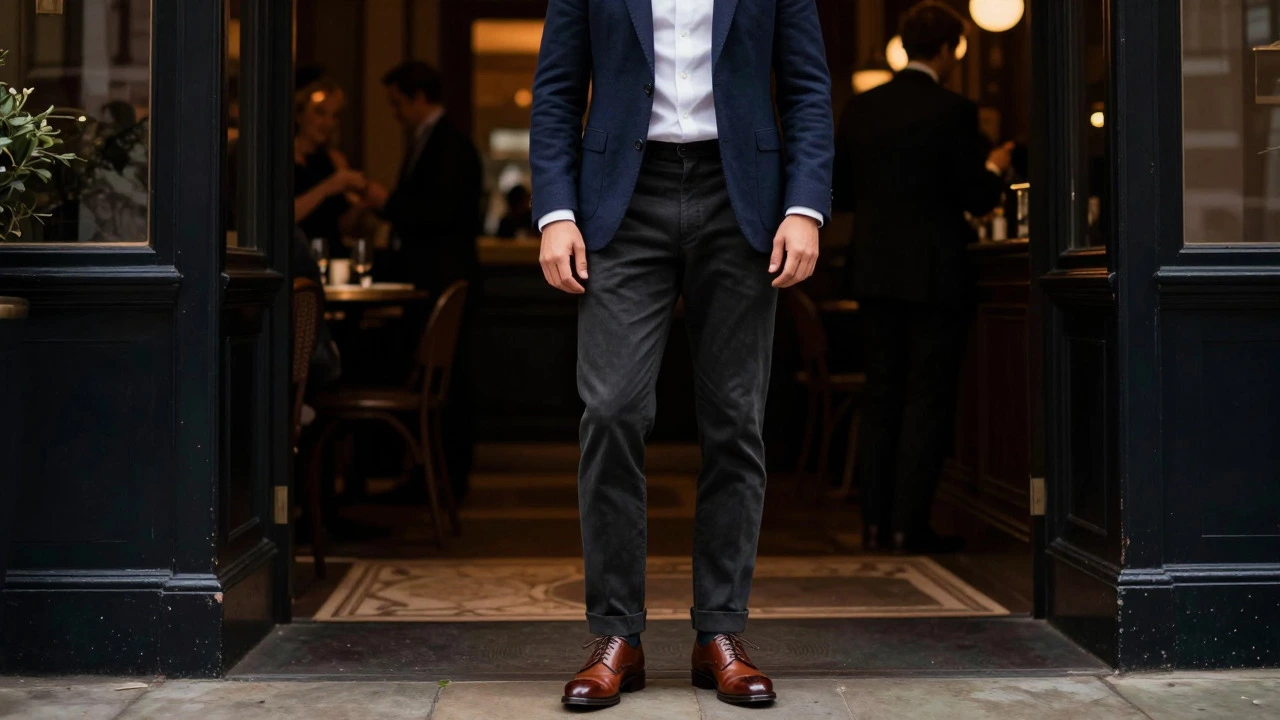
Smart Casual Outfit Checker
Select one option per category below. The tool will analyze your choices against standard smart casual guidelines for evening events.
Your Verdict
You’ve been invited to a dinner party or a semi-formal event, and the invite says "smart casual." You open your closet, grab your favorite jeans and a t-shirt, and feel confident. But when you arrive, you realize everyone else is dressed slightly sharper. This is a common trap. Smart casual is a dress code that blends relaxed comfort with polished professionalism, sitting between business formal and weekend leisure. It requires a balance that many people miss, especially for evening events where lighting and atmosphere elevate the need for refinement.
The core problem isn't just about being too casual; it's about specific items that break the visual harmony of the look. Understanding what is not allowed helps you curate an outfit that feels effortless but intentional. Whether you are attending a corporate mixer, a wedding reception, or a high-end restaurant dinner, knowing these boundaries ensures you fit right in without overthinking every seam.
Key Takeaways
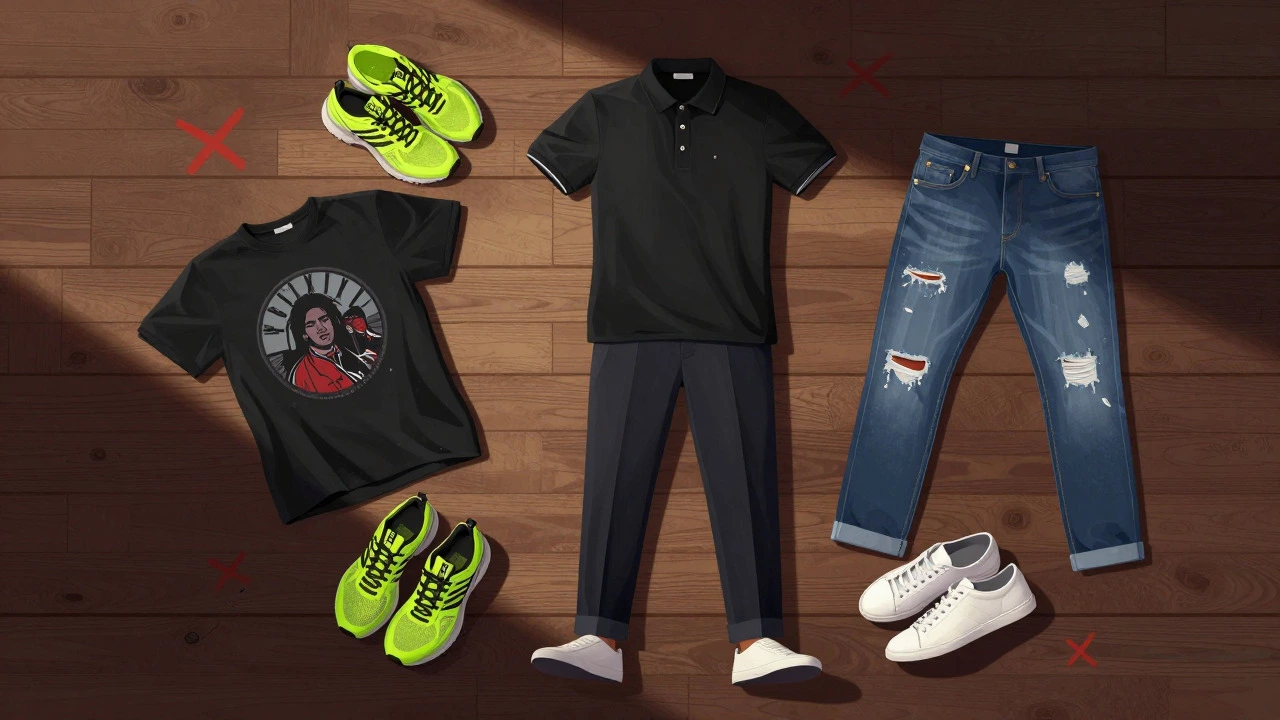
- Smart casual forbids athletic wear, graphic tees, and overly distressed denim.
- Footwear must be clean and structured; sneakers are generally risky unless they are minimalist leather models.
- Fabric quality matters more than brand name; avoid shiny synthetic materials that look cheap under evening lights.
- Fit is non-negotiable; ill-fitting clothes signal a lack of effort regardless of price tag.
- Accessories should be subtle; loud logos or excessive jewelry disrupt the understated vibe.
The Footwear Trap: Why Sneakers Often Fail
Let’s start with the most debated item: shoes. In a smart casual context, footwear anchors the entire outfit. If your shoes look like you’re going to the gym, the rest of your ensemble suffers by association. Athletic running shoes, particularly those with bright neon accents or bulky soles, are strictly off-limits. They scream "weekend errand" rather than "evening engagement."
However, not all sneakers are banned. The rule of thumb is material and silhouette. A clean, low-profile white leather sneaker can work if paired with chinos and a button-down shirt. But canvas high-tops, worn-out trainers, or sandals with socks? Those are immediate disqualifiers. For evening events, loafers, derbies, or clean boots are safer bets. They provide structure and polish that aligns with the elevated nature of nighttime settings.
| Shoe Type | Acceptability | Reasoning |
|---|---|---|
| Athletic Running Shoes | Not Allowed | Too sporty, lacks structure, often dirty |
| Clean White Leather Sneakers | Conditional | Works only with tailored pants/chinos, not jeans |
| Loafers / Derbies | Allowed | Polished, versatile, fits evening aesthetic |
| Sandals / Flip-Flops | Not Allowed | Too casual, exposes too much foot, unprofessional |
| Boots (Chelsea/Dress) | Allowed | Adds sophistication, good for cooler evenings |
Fabrics That Don’t Belong After Dark
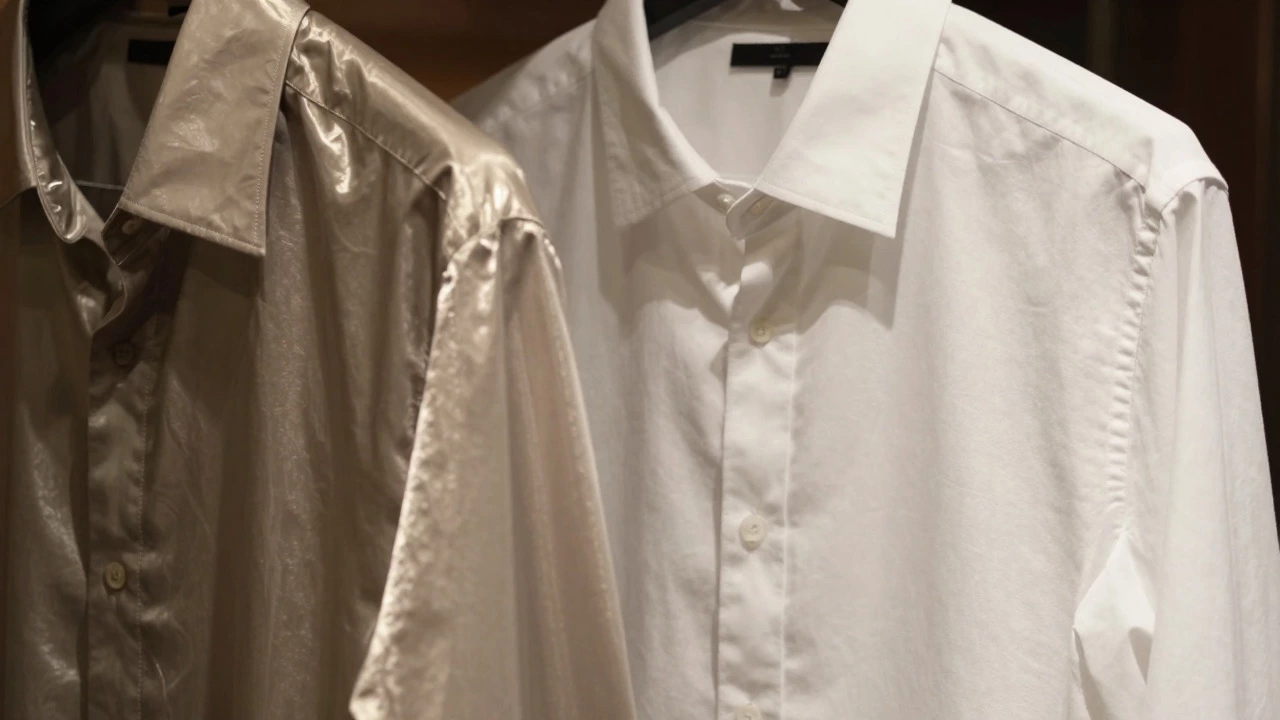
Lighting changes everything at night. Under warm indoor lighting or dim restaurant ambiance, certain fabrics reveal their true character. Shiny synthetic polyester, for instance, reflects light in a way that looks cheap and plasticky. If your shirt or blazer has a noticeable sheen that isn’t from silk or high-quality wool, it’s likely a red flag. Stick to matte fabrics like cotton, linen (if appropriate for the season), wool, or twill. These materials absorb light softly, creating a sophisticated texture that photographs well and feels premium in person.
Another fabric to avoid is heavy fleece or oversized hoodies. While comfortable, they add bulk that ruins the silhouette required for smart casual. The goal is a streamlined look. If you’re wearing a hoodie, it should be a fine-gauge merino wool version, not a thick cotton one with a drawstring. Similarly, avoid fabrics that wrinkle easily, like cheap chiffon or thin rayon, as creases become highly visible under close inspection during social interactions.
The Denim Dilemma: When Jeans Are Too Much
Jeans are the wildcard of smart casual. They are acceptable, but only under strict conditions. Distressed denim with holes, rips, or frayed hems is almost always inappropriate for evening events. These details suggest a rugged, daytime aesthetic that clashes with the refined tone of night-time gatherings. Instead, opt for dark-wash or black denim with a slim or straight fit. No fading, no whiskering, no embellishments.
Furthermore, the cut matters immensely. Baggy carpenter jeans or wide-leg styles that pool around the ankles can look sloppy. The hem should hit just above the shoe or lightly touch the top of the footwear. If you’re unsure whether your jeans qualify, ask yourself: would I wear them to a job interview? If the answer is no, they probably aren’t smart casual enough for an important evening out. Chinos remain the safest alternative, offering a similar color palette but with a cleaner, more office-appropriate origin story.
Top Pieces: Beyond the Graphic Tee
Your upper body sets the tone. Graphic t-shirts, band tees, or any shirt with large prints are effectively banned from smart casual attire. The reason is simple: graphics distract from your face and create a casual, consumer-brand vibe. Instead, choose solid colors or subtle patterns like small checks or pinstripes. A plain white, light blue, or charcoal oxford shirt is a timeless choice that works with almost any bottom half.
What about polos? They sit in a gray area. A high-quality polo in a neutral color can work, but it risks looking too preppy or dated if not styled correctly. Pair it with tailored trousers, not shorts. Avoid polo shirts with large logos on the chest. As for jackets, a bomber jacket might be too streetwear-focused for formal-leaning smart casual events. A blazer, however, is the ultimate power move. It instantly elevates a t-shirt-and-jeans combo into a complete smart casual outfit. Just ensure the blazer fits well across the shoulders and chest.
Accessories: Less Is More
Accessories are where people often overshoot. In smart casual dressing, accessories should support the outfit, not dominate it. Large, noisy wristwatches with digital displays or rubber straps can clash with the refined aesthetic. Opt for analog watches with leather or metal bands. Jewelry should be minimal-a simple chain, a few rings, or stud earrings. Avoid costume jewelry that jingles or looks flashy.
Hats are another tricky element. Unless it’s part of a specific cultural or stylistic statement, leave the cap or fedora at home for most evening smart casual events. Headwear can make you look like you’re preparing for outdoor activity or trying too hard to emulate a celebrity style. Keep your head uncovered to show confidence and approachability. Bags should also be considered; a large backpack signals travel or school, while a sleek messenger bag or a structured tote fits the evening context better.
Common Mistakes to Avoid
- Mismatched Formality: Wearing a suit jacket with shorts creates a disjointed look that confuses the observer. Stick to full-length bottoms.
- Over-Accessorizing: Multiple bracelets, chains, and rings can clutter the visual field. Choose one focal point.
- Ignoring Fit: Clothes that are too tight or too loose undermine the "smart" aspect. Tailoring is worth the investment.
- Worn-Out Items: Faded collars, stretched cuffs, or scuffed shoes suggest neglect. Keep your wardrobe maintained.
- Seasonal Missteps: Wearing heavy wool in summer heat or thin linen in winter chill shows a lack of planning. Consider the weather and venue climate.
How to Check Your Outfit Before You Go
Before heading out, take a photo of yourself in a mirror. Look at the image critically. Does the outfit look cohesive? Are there any clashing colors or textures? Is anything wrinkled or dirty? This quick check catches errors that you might miss in real life. Also, consider the venue. A rooftop bar allows for slightly more relaxed footwear than a fine dining establishment. Adjust your choices based on the specific environment. When in doubt, lean towards slightly more polished options. It’s easier to loosen up with a tie removed or a jacket draped over your arm than to try to look sharper when you’re already underdressed.
Can I wear sneakers to a smart casual evening event?
Only if they are clean, minimalist, and made of leather. Avoid athletic running shoes, canvas high-tops, or any sneakers with bright colors. Pair them with chinos or dark jeans, not shorts or athletic wear.
Is a hoodie okay for smart casual?
Generally, no. Hoodies are too casual for most smart casual contexts, especially in the evening. If you must wear one, choose a fine-knit merino wool version in a neutral color and pair it with tailored trousers. A blazer over a plain t-shirt is a safer bet.
What colors should I avoid in smart casual attire?
Avoid neon colors, loud patterns, and mismatched tones. Stick to neutrals like navy, grey, black, white, beige, and olive. Subtle earth tones work well. Bright primary colors can be distracting and may clash with the refined evening atmosphere.
Do I need a belt with smart casual outfits?
Yes, if your trousers have belt loops. The belt should match your shoes in color and material. A simple leather belt in black or brown adds structure and polish. Avoid decorative buckles or overly wide belts that draw unnecessary attention.
How do I handle layering in smart casual dress?
Layering should be strategic. A blazer over a shirt is classic. A cardigan can work if it’s fine-gauge and neutral. Avoid bulky sweaters or multiple layers that create bulk. Ensure each layer complements the others in color and texture. Remove outer layers when indoors to maintain a clean silhouette.