Sneaker vs Trainer Finder
Why this fits:
Regional Terminology:
You’ve probably stood in a shoe store or scrolled through an online shop wondering why some pairs are called sneakers while others are labeled trainers. You might even have swapped the words without thinking twice. But if you’re looking to buy the right pair for your needs-or just want to sound like you know what you’re talking about-understanding the distinction matters more than you’d think.
Here’s the short answer: yes, there is a difference. It’s not always black and white, but it comes down to origin, purpose, and regional habits. In this guide, we’ll break down exactly where these terms come from, how they’re used today, and which one fits your lifestyle best.
Where Did the Words Come From?
To understand the difference, you need to go back a bit. The word sneaker was coined in the United States in the late 19th century. Back then, rubber-soled shoes were quiet enough that you could “sneak” around unnoticed. That’s literally where the name came from. By the early 1900s, brands like Keds and Converse started using the term to market their casual, rubber-soled footwear.
On the other side of the Atlantic, the British preferred the word trainer, which comes from "training shoe". This made sense because these shoes were designed for physical activity-gym sessions, jogging, or general fitness routines. Over time, “trainers” became the go-to term in the UK, Australia, New Zealand, and parts of Europe.
So right off the bat, you can see a pattern forming: sneakers lean American and cultural; trainers lean British and functional. But language evolves, and so does footwear.
How Usage Has Changed Over Time
In the 1980s and 1990s, sneaker culture exploded in the U.S., especially with the rise of hip-hop, basketball stars like Michael Jordan, and limited-edition releases. Sneakers weren’t just for sports anymore-they were fashion statements. People collected them, resold them, and wore them as part of their identity.
Meanwhile, in the UK and Commonwealth countries, “trainers” remained the dominant term, even as similar trends took hold. Nike Air Max, Adidas Superstar, and Reebok Classic models were all sold under the label “trainers,” regardless of whether they were worn for running or hanging out at the pub.
Today, globalization has blurred the lines. Thanks to social media and international shopping, people everywhere use both terms interchangeably. If you search for “sneakers” on Amazon UK, you’ll find thousands of results. Same goes for searching “trainers” on eBay US. Language adapts, and so do consumers.
What Do They Look Like Today?
If you walk into a modern shoe store, you won’t find separate aisles labeled “sneakers” and “trainers.” Instead, you’ll see categories like “lifestyle,” “athletic,” “running,” and “casual.” These labels reflect function rather than naming conventions.
That said, some visual cues still hint at the original meanings:
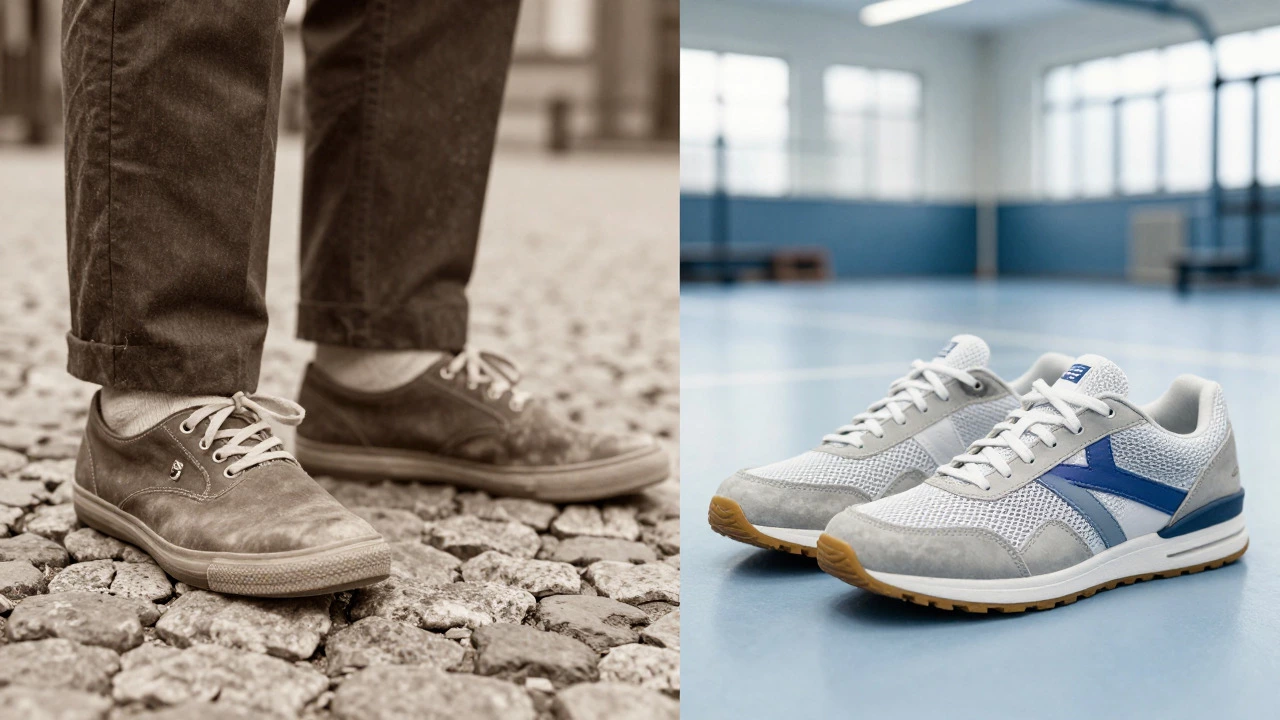
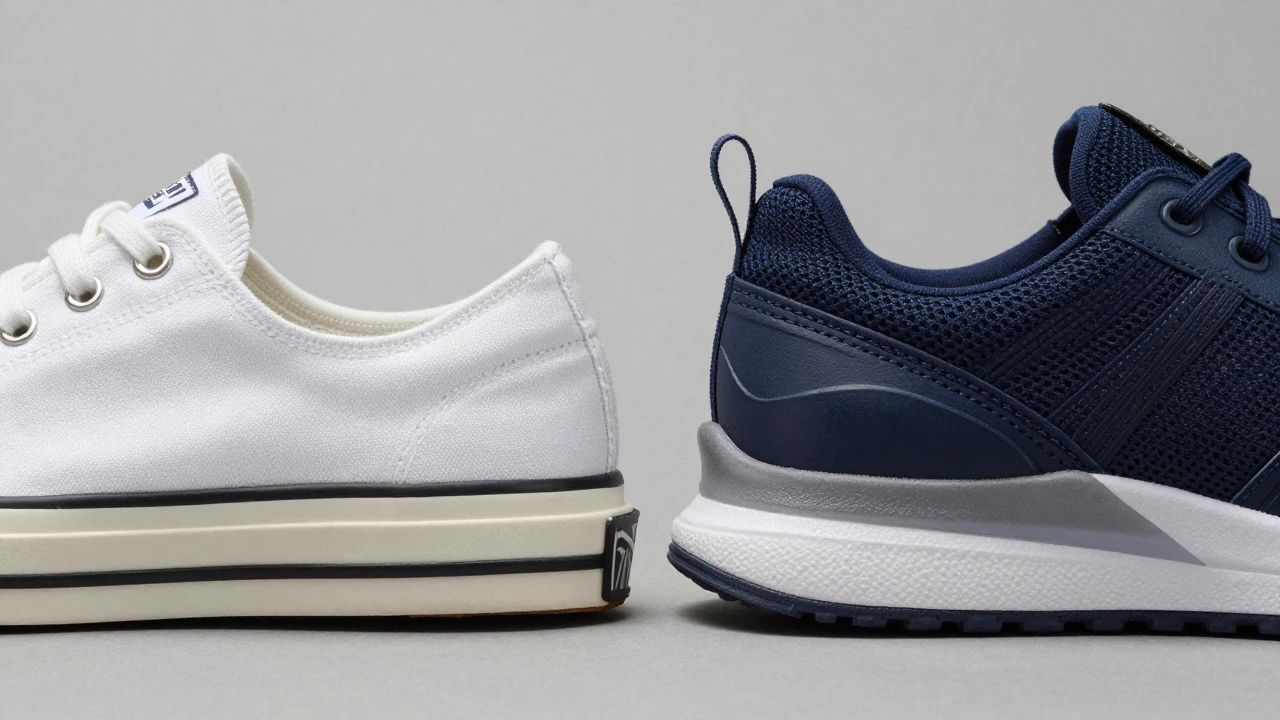
- Sneakers often refer to low-profile, flat-soled shoes meant for everyday wear. Think canvas tops, minimal cushioning, and retro designs like Vans Old Skool or Converse Chuck Taylor All Stars.
- Trainers usually imply more structure-thicker soles, arch support, breathable mesh uppers, and sometimes even heel counters for stability. Examples include Nike Pegasus, Asics Gel-Kayano, or Brooks Ghost.
Of course, many shoes now blend both worlds. A pair of Adidas Stan Smiths might be marketed as sneakers but built with trainer-like comfort features. And vice versa-a stylish running shoe might look like a sneaker but perform like a trainer.

Regional Differences Still Matter
Even though global commerce has mixed things up, local preferences remain strong. Here’s a quick breakdown:
| Region | Preferred Term | Common Context |
|---|---|---|
| United States | Sneakers | Fashion, streetwear, casual wear |
| United Kingdom | Trainers | Gym, fitness, daily wear |
| Australia / New Zealand | Trainers | Everyday use, outdoor activities |
| Canada | Mixed | More sneakers near US border, trainers elsewhere |
| Europe | Varies by country | UK/Aus-style trainers common in northern Europe |
This isn’t just semantics-it affects marketing, product design, and even customer expectations. Brands tailor their messaging based on region. For example, a campaign targeting UK shoppers will likely highlight durability and performance (“built for training”), while a US-focused ad might emphasize style and exclusivity (“limited drop, cop now”).
Which One Should You Buy?
Your choice shouldn’t hinge solely on the label. What matters most is what you plan to do with the shoes. Let’s say you’re hitting the gym five days a week-you probably want something stable, supportive, and durable. That leans toward traditional trainers.
But if you’re mostly walking around town, commuting, or styling outfits, a sleeker sneaker profile might suit you better. Comfort doesn’t always mean bulkiness. Many modern sneakers offer memory foam insoles, flexible midsoles, and lightweight materials that rival dedicated athletic gear.
And here’s the thing: hybrid options exist. Shoes like the New Balance 574 or Saucony Jazz Original combine classic aesthetics with modern tech. They work well for light exercise and full-day wear. So don’t let the name box you in-look at specs instead.
The Rise of Lifestyle Footwear
In recent years, the line between performance and fashion has become increasingly fuzzy. Collaborations between athletes and designers, celebrity endorsements, and resale markets have turned certain sneakers into collectibles. Meanwhile, gyms and fitness influencers promote high-performance trainers that double as street-ready staples.
Take the Yeezy Boost line, for instance. Originally launched as lifestyle sneakers, they gained traction among runners due to their responsive cushioning. Similarly, Salomon XT-6s started as trail-running trainers before becoming fashion favorites thanks to their rugged yet stylish look.
This trend means you no longer have to choose between looking good and feeling good. Modern footwear blends form and function better than ever before.
How to Spot Quality Regardless of Label
No matter whether a shoe is called a sneaker or a trainer, quality should never be compromised. Here’s what to check:
- Outsole material: Rubber offers grip and longevity. EVA or TPU may save weight but wear faster.
- Midsole cushioning: Look for branded technologies like Nike React, Adidas Boost, or Asics Gel. These provide shock absorption and energy return.
- Upper construction: Mesh breathes well but lacks durability. Leather or synthetic overlays add structure and protection.
- Insole fit: Removable insoles allow customization. Check for arch support and heel cups.
- Brand reputation: Established companies invest heavily in R&D. Stick with trusted names unless you’re experimenting intentionally.
Also, consider your foot type. Flat feet? Go for motion control. High arches? Prioritize flexibility. Wide feet? Seek out wide-width versions. Ignoring biomechanics leads to discomfort-and eventually injury.
Final Thoughts: Don’t Get Caught Up in Labels
At the end of the day, calling something a sneaker or a trainer says less about its actual capabilities and more about where it originated culturally. Both terms describe comfortable, versatile footwear suitable for various activities. Whether you prefer the nostalgic vibe of vintage sneakers or the engineered precision of modern trainers depends entirely on your personal taste and intended use.
Next time you’re shopping, skip the debate over names. Focus on fit, function, and feel. Your feet will thank you.
Are sneakers and trainers the same thing?
Technically, no-but practically, yes. Sneakers originated in the US and emphasize casual wear and style, while trainers came from the UK and focus on athletic performance. Today, the terms overlap significantly, and most people use them interchangeably.
Why do Americans say sneakers and Brits say trainers?
It’s historical. The US adopted “sneakers” because of the quiet rubber soles, while the UK used “trainers” since the shoes were primarily for physical training. Regional dialects evolved separately and stuck around despite globalization.
Can I wear trainers for running?
Yes-if they’re designed for it. Not all trainers are equal. Some prioritize style over performance. Always check for proper cushioning, support, and traction before using any shoe for serious running.
Do sneakers offer enough support for all-day wear?
Many do. Modern sneakers often include ergonomic insoles, flexible outsoles, and breathable uppers. However, if you stand for long hours or have specific foot conditions, opt for models with enhanced arch support and shock absorption.
Is there a performance difference between sneakers and trainers?
Generally, trainers are engineered for higher impact activities like jogging or weightlifting. Sneakers tend to prioritize aesthetics and comfort for lighter use. But again, many hybrids blur this distinction, so always review technical details rather than relying on labels alone.