Sportswear vs. Activewear Selector
Not sure what to buy? Answer these three questions to find the right category for your needs.
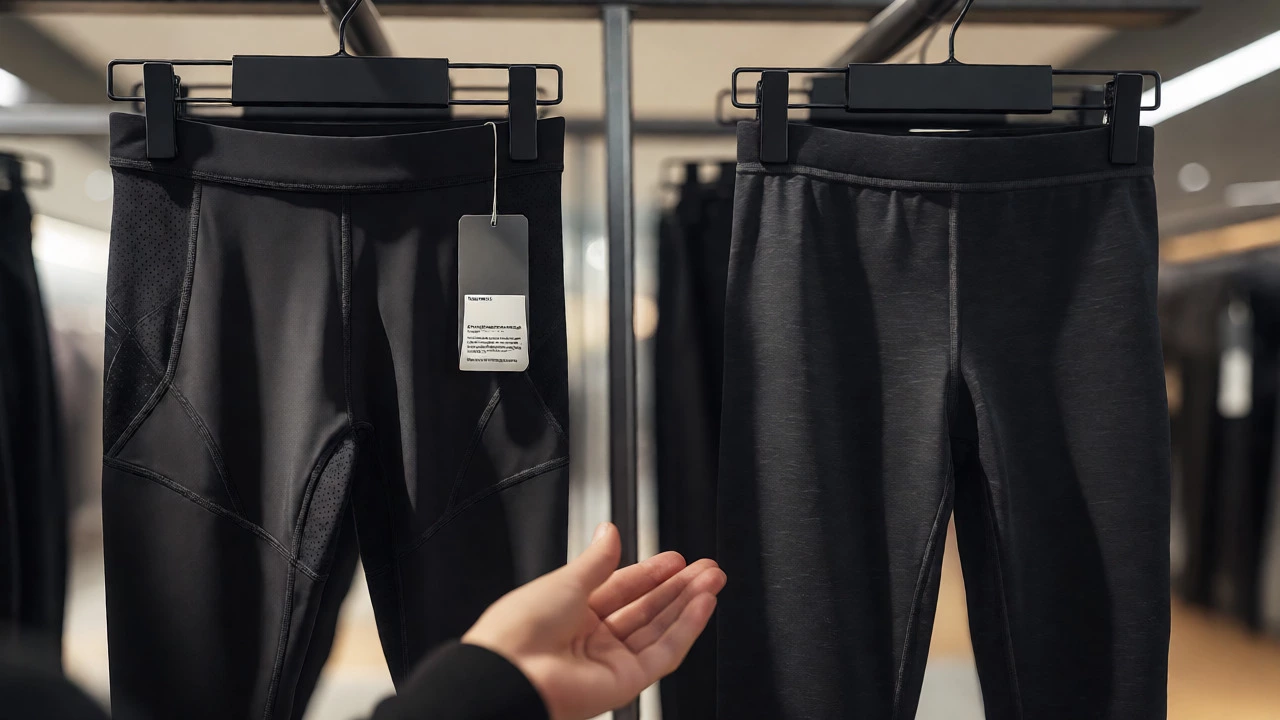
You’re standing in a store, holding two identical-looking black leggings. One tag says Sportswear and the other says Activewear. You pay $80 for one and $45 for the other. Why? Is it just marketing fluff, or is there a real functional gap between these two categories of athletic clothing?
The confusion is understandable because the lines have blurred significantly over the last decade. Brands like Nike and Lululemon sell products that fit both definitions depending on who you ask. But if you want to buy clothes that actually work for your specific needs-whether that’s running a marathon or just looking good at brunch-you need to understand the core distinction. It comes down to performance versus lifestyle.
The Core Distinction: Performance vs. Lifestyle
At its simplest, Sportswear is designed for competition and high-intensity physical activity. Think about what an Olympic sprinter wears. The fabric must wick sweat instantly, reduce wind resistance, and allow maximum range of motion without chafing. Every seam, stitch, and material choice serves a biological purpose: to help the athlete perform better.
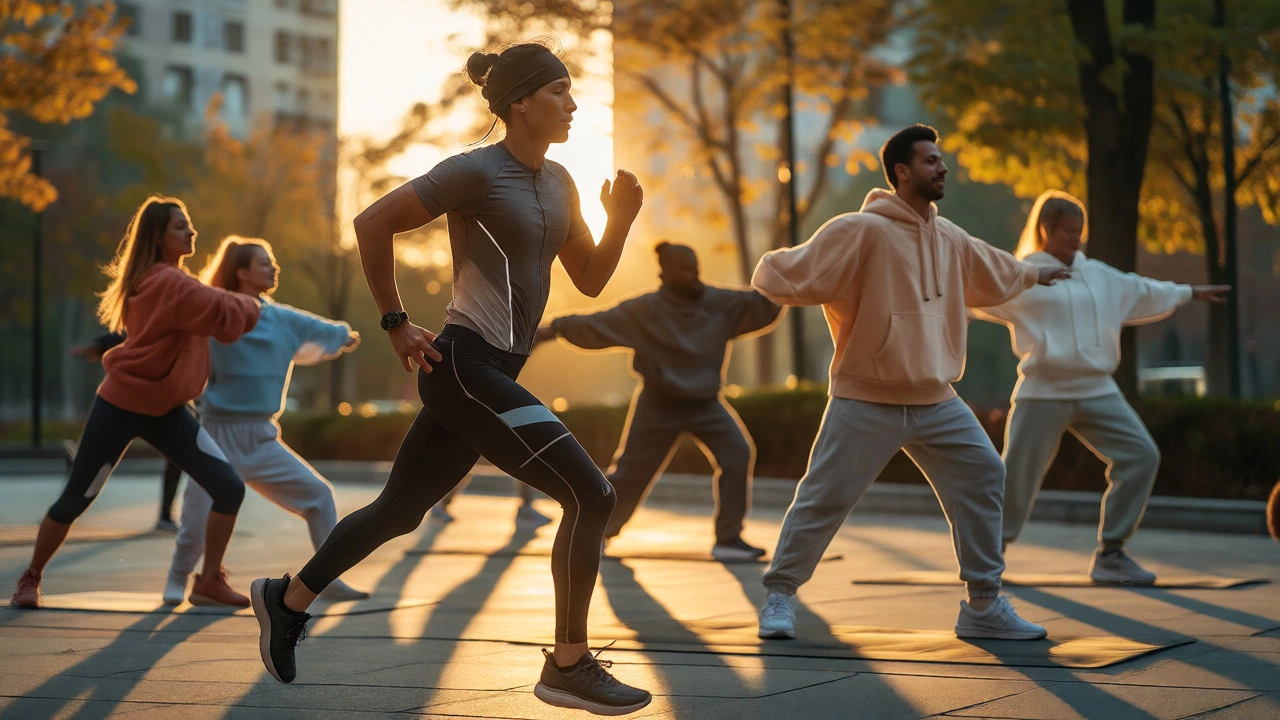
Activewear, on the other hand, is designed for comfort and aesthetics during low-to-moderate intensity activities or casual wear. This category includes the yoga pants you wear to the grocery store, the hoodie you throw on for a light walk, or the stylish joggers you wear to a coffee shop. While it might be stretchy and breathable, it isn’t necessarily engineered to handle the brutal conditions of professional sport.
Here is the rule of thumb: If you are sweating enough to require technical moisture management and aerodynamic efficiency, you need sportswear. If you are prioritizing how the garment looks and feels while moving gently or sitting still, you are looking for activewear.
Material Science: What’s Actually in the Fabric?
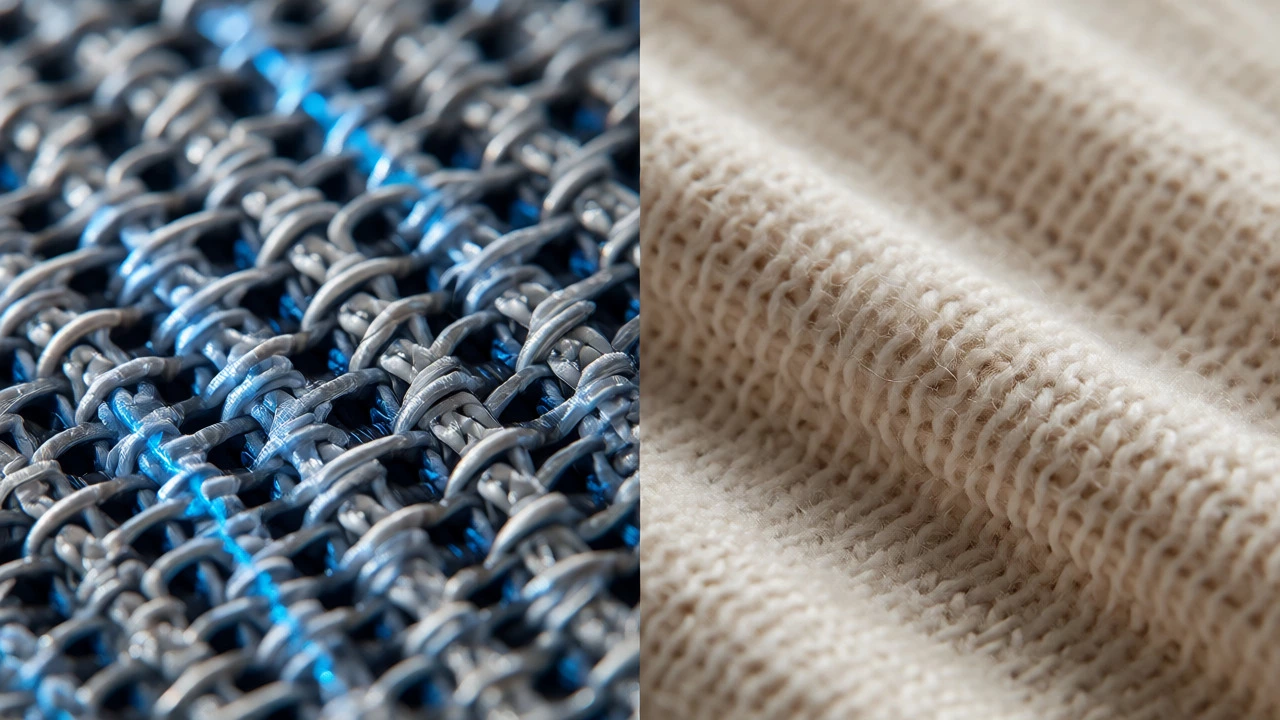
The biggest tangible difference lies in the textile engineering. Sportswear relies heavily on synthetic fibers like polyester, nylon, and elastane blends that are specifically treated for performance. These fabrics often feature proprietary technologies-like Nike’s Dri-FIT or Adidas’ Climalite-that pull moisture away from the skin to the surface of the fabric where it can evaporate quickly.
Activewear tends to use softer, more comfortable materials. You will often see higher percentages of cotton, viscose, or brushed synthetics that feel nice against the skin but retain moisture longer. For example, a pure cotton t-shirt absorbs sweat and stays wet, which is terrible for a tennis match but perfectly fine for a casual afternoon.
| Feature | Sportswear | Activewear |
|---|---|---|
| Primary Fiber | Polyester, Nylon, Spandex | Cotton Blends, Viscose, Soft Synthetics |
| Moisture Wicking | High (Engineered channels) | Low to Moderate (Absorbent) |
| Durability | High (Abrasion resistant) | Moderate (Softness priority) |
| Weight | Ultra-lightweight | Medium to Heavy |
| Odor Control | Often antimicrobial treated | Rarely treated |
Notice the odor control line. Serious sportswear often includes silver-ion treatments or other antimicrobial agents because bacteria thrive in warm, moist environments. Activewear usually skips this step because it doesn’t get soaked with sweat as frequently.
Design and Construction: Form Follows Function
If you look closely at a pair of professional cycling shorts, you’ll notice flat-lock seams. These seams lie flat against the skin to prevent chafing during thousands of pedal strokes. In contrast, activewear often uses standard overlock seams because they are cheaper to produce and sufficient for walking or light stretching.
Cut and fit also differ dramatically. Sportswear is typically cut tight to the body to reduce drag and support muscles. Compression gear, for instance, applies specific pressure gradients to improve blood flow. Activewear follows fashion trends. It might have dropped shoulders, oversized fits, or decorative pockets that serve no athletic purpose but look great in photos.
Consider footwear, too. A running shoe has a complex midsole foam designed to return energy with every step. A fashionable sneaker might look similar but lacks that specialized cushioning technology, making it uncomfortable after three miles of running. Always check the sole structure if you plan to run in them.
When Does the Line Blur? The Rise of Athleisure
We cannot talk about this topic without mentioning Athleisure, the hybrid category that dominates modern retail. Athleisure takes the comfort of activewear and adds the aesthetic appeal of streetwear. It’s why you see people wearing expensive Lululemon Align leggings to work meetings.
This blurring creates a dilemma for shoppers. Do you buy the high-performance kit that looks sterile and clinical, or the stylish kit that might fail during a HIIT workout? The answer depends on your primary use case. If you go to the gym three times a week and do heavy lifting, the structural support of true sportswear prevents injury. If you do gentle yoga once a week and want to look put-together, activewear is the smarter financial choice.
Brands are responding by creating "crossover" lines. They use performance fabrics but design them with fashion-forward cuts. However, these hybrids often compromise. They may not wick sweat as well as pure sportswear, nor do they offer the same cozy, loungewear-level comfort as premium activewear.
Price Tags: Are You Paying for Tech or Brand?
Sportswear commands a higher price point due to research and development costs. Developing a new fabric blend that reduces wind resistance by 5% requires significant investment. When you buy a top-tier tri-suit, you are paying for that engineering.
Activewear pricing is driven more by brand equity and fashion cycles. A logo on a simple hoodie can double the price. You aren’t buying advanced moisture-wicking tech; you’re buying social currency. This doesn’t mean activewear is bad value-it lasts long if cared for properly-but the cost-per-performance ratio is lower than dedicated sportswear.
Watch out for "fake" sportswear. Some fast-fashion brands copy the look of performance gear using cheap polyester that traps heat. If you try to run in these, you’ll feel clammy within ten minutes. Check the fabric content label. If it’s 100% polyester without any mention of moisture-wicking properties or mesh panels, it’s likely just a fashion imitation.
How to Choose the Right Gear for Your Needs
Don’t guess. Use this quick decision framework before you swipe your credit card:
- What is the intensity level? High intensity (running, HIIT, sports) requires sportswear. Low intensity (walking, yoga, lounging) suits activewear.
- How much do you sweat? If you drench your shirt, invest in technical wicking fabrics. If you barely perspire, soft natural blends are fine.
- Where will you wear it? Gym only? Go for function. Office or cafe? Go for style.
- Budget constraints? If money is tight, prioritize shoes and socks (foot health) over branded tops.
Remember that mixing categories is perfectly acceptable. Wear performance shorts for your run and an activewear hoodie for the cool-down. This approach saves money and ensures you have the right tool for each phase of your day.
Frequently Asked Questions
Can I wear activewear for running?
You can, but it depends on the distance and intensity. For short jogs under 3 kilometers, most activewear is fine. For longer runs or hot weather, activewear may become heavy with sweat and cause chafing. Dedicated sportswear with moisture-wicking properties is superior for distances over 5km.
Is sportswear always tighter than activewear?
Not always, but often yes. Many sportswear items are compression-based to support muscles and reduce drag. However, some team sport uniforms are loose-fitting. Conversely, some activewear is very fitted for aesthetic reasons. Fit varies by brand and specific product type rather than the general category alone.
Why does my sportswear smell worse than my cotton clothes?
Synthetic fibers used in sportswear tend to hold onto oils and odors more stubbornly than natural fibers like cotton. Bacteria feed on sweat and skin oils trapped in the microscopic structures of polyester. Washing sportswear less frequently or using enzyme-based detergents helps mitigate this issue compared to regular laundry soap.
Do expensive brands make better sportswear?
Expensive brands often have access to better R&D and patented fabrics, so there is usually a performance advantage. However, mid-range brands now offer excellent technical features at lower prices. Look for specific features like ventilation zones and flat seams rather than just the logo. Sometimes you pay for the marketing budget, not just the fabric quality.
Is athleisure considered sportswear?
Athleisure is technically a subset of activewear that borrows elements from sportswear. It is designed primarily for leisure and light activity, not competitive sports. While it may look like sportswear, it usually lacks the rigorous testing and durability standards required for intense athletic performance.