Summer Dress Heat & Comfort Calculator
Select your dress attributes below to see how physics impacts your comfort level. Based on research regarding light reflection, UV absorption, and airflow.
Enter your dress details and click calculate to see your predicted comfort level.
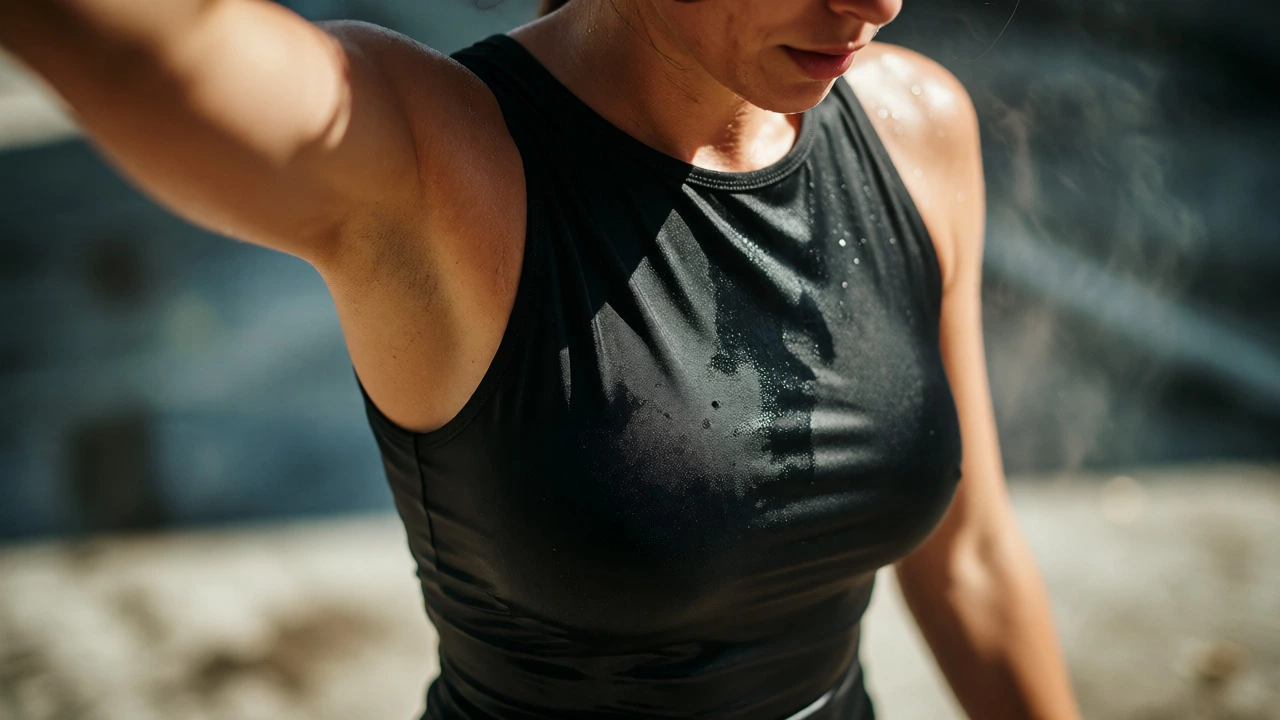
You step outside, and the air hits you like a wall of humid heat. You’re wearing your favorite black summer dress, looking chic in photos, but ten minutes later, you are sweating through it. Why? Because physics doesn’t care about your outfit’s aesthetic. The color of your summer dress is actually one of the biggest factors in how hot you feel, right alongside fabric choice.
We’ve all heard that white keeps you cool and black keeps you warm. But is that always true? Not exactly. There’s a nuance here involving light reflection, UV radiation, and airflow that most fashion blogs gloss over. If you want to stay comfortable during a heatwave, you need to know which colors trap heat and which ones let it bounce off. Let’s break down what to wear-and more importantly, what to leave in the back of your closet-when the temperature climbs.
The Physics of Color and Heat
Before we talk style, let’s talk science. Different colors interact with sunlight differently. This isn’t just folklore; it’s basic thermodynamics. Darker colors absorb more wavelengths of visible light and convert them into thermal energy (heat). Lighter colors reflect more light away from the body.
However, there’s a twist. A study published by Harvard researchers found that loose-fitting black robes worn by Bedouins in the desert were surprisingly effective at keeping the wearer cool. Why? Because the black outer layer absorbed heat, but because the robe was loose, that heat created an updraft, pulling cooler air from below up through the garment. So, if your dress is tight against your skin, dark colors will cook you. If it’s billowy and airy, dark colors might actually help create a cooling breeze effect.
But for most modern summer dresses-which often fit closer to the body or use structured cuts-the rule holds: lighter reflects, darker absorbs. Here is how different color families stack up when the sun is beating down.
Why Black Is Risky in Direct Sunlight
Black is the classic go-to for slimming effects and versatility, but it is a heat magnet. When you wear black in direct sunlight, the fabric can reach temperatures significantly higher than the ambient air. We’re talking differences of 10-15 degrees Celsius (approx. 18-27°F) between a black shirt and a white one left in the sun.
If you live in a place like Wellington, where the wind can be cold even on sunny days, black might not feel as punishing. But in still, hot air, black dresses become ovens. The problem worsens if the fabric is synthetic. Polyester blends in black don’t breathe well, trapping both the absorbed solar heat and your own body heat. You end up with a double-layer insulation effect.
When you can wear black: Only if the dress is extremely loose, made of natural fibers like linen or cotton, and you are mostly in the shade. If you’re walking outdoors at noon in January, skip it.
Navy Blue and Deep Greens: The Hidden Heat Traps
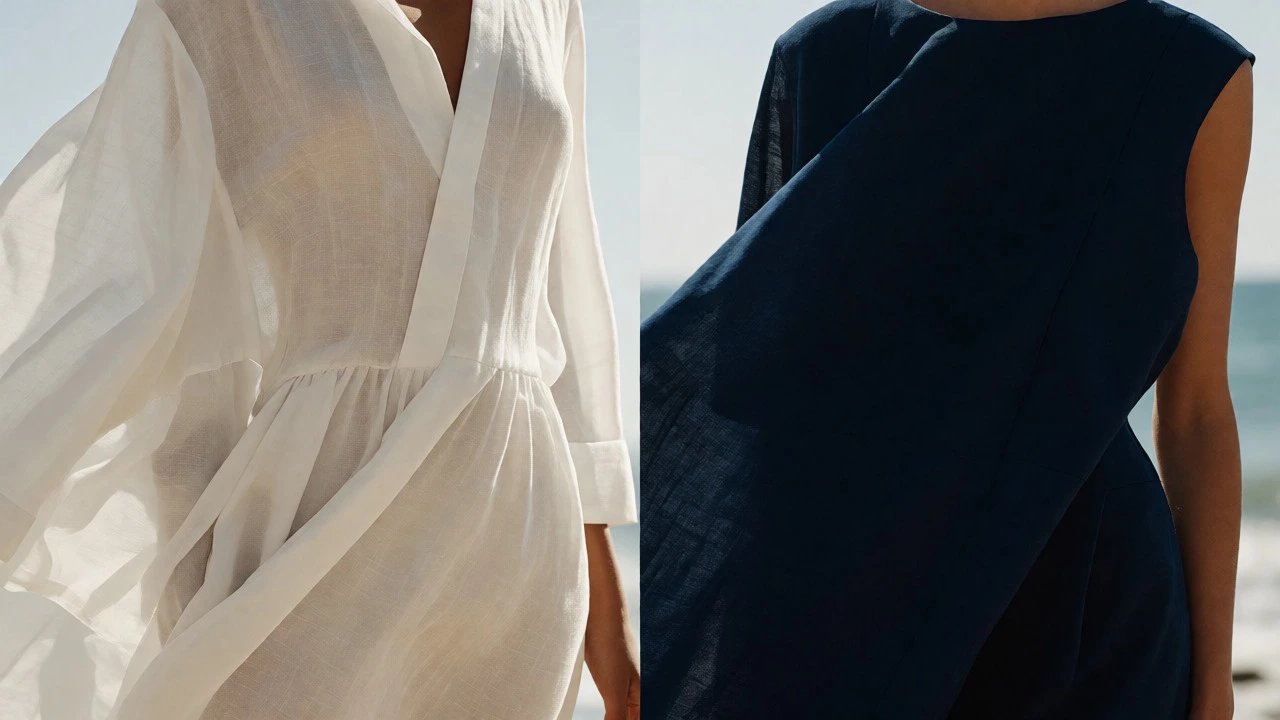
People often think navy blue is "light" compared to black. It’s not. Navy is essentially dark blue, and it absorbs almost as much radiant heat as black. The same goes for deep forest greens, burgundies, and charcoals. These colors look sophisticated, but they lack the reflective properties needed to deflect intense solar radiation.
A common mistake is choosing a navy linen dress thinking the fabric saves you. While linen breathes, the color still pulls heat toward your skin. If you have fair skin, this contrast can also make you look washed out in harsh sunlight, adding a vanity penalty to the comfort penalty.
| Color Family | Heat Absorption Level | Best For | Risk Factor |
|---|---|---|---|
| White & Cream | Low | Direct Sun, High Humidity | Shows Sweat, Translucent |
| Pastels (Pink, Mint) | Low-Medium | Daytime Events | Can Look Washed Out |
| Bright Reds/Yellows | Medium | Festivals, Beach | Attracts Insects |
| Navy & Charcoal | High | Evenings, Shaded Areas | Traps Body Heat |
| Black | Very High | Cool Breezes, Night | Overheating in Sun |
The Problem with Bright Neon Colors
You might think bright colors are safe because they aren’t dark. But neon yellows, electric oranges, and hot pinks present a different set of problems. First, while they reflect some light, many bright dyes still absorb significant amounts of UV radiation. More importantly, bright colors attract insects.
If you’re spending time near gardens, parks, or beaches, wearing bright yellow or floral patterns with high-contrast colors can turn you into a beacon for bees and mosquitoes. In New Zealand summers, sandflies are notorious. They are drawn to movement and certain colors. While scientific consensus on exact color attraction varies, anecdotal evidence from outdoor workers suggests that dark blues and blacks are worst for biting flies, but bright neons can confuse and attract pollinators who might bump into you repeatedly.
Also, practically speaking, neon colors show every sweat stain. If you’re prone to perspiration under the arms or back, a bright lime green dress will reveal moisture patches instantly, whereas a patterned mid-tone dress hides them better.
What Actually Works: Best Colors for Hot Weather
If you want to stay cool, stick to the light end of the spectrum. White is the king of heat reflection. It bounces nearly all visible light and a good portion of infrared radiation away from your body.
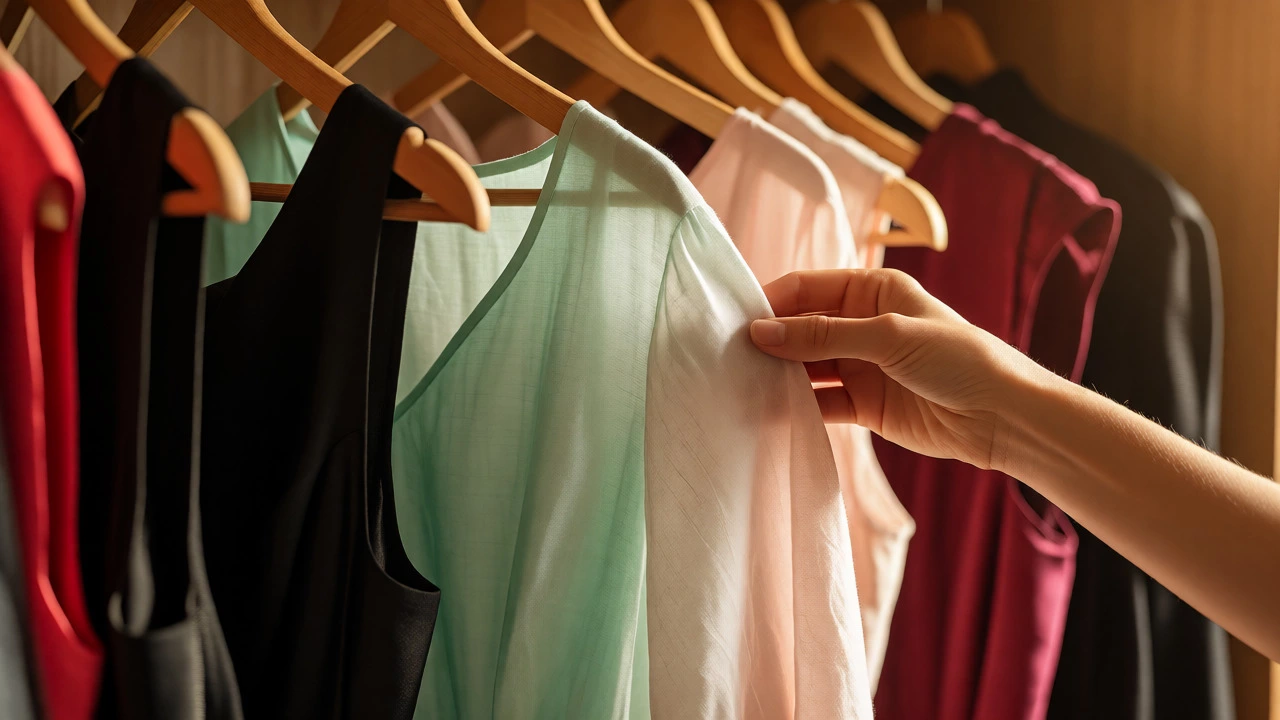
But white has drawbacks. It shows dirt, sweat, and transparency issues. That’s why Pastels-soft blues, mint greens, lavender, and blush pinks-are often the smarter choice. They reflect enough light to keep you cool but offer enough pigment to hide minor stains and provide a flattering glow against sun-kissed skin.
Another trick? Wear prints. A white dress with a small, scattered print breaks up the visual field and can help mask sweat marks better than solid white. Just ensure the background remains light. A dark base with light dots is effectively a dark dress.
Fabric Matters More Than Color Alone
You can wear a white polyester dress and still feel miserable. Fabric permeability dictates whether heat escapes. Even the coolest color won’t help if the material traps moisture against your skin.
- Linen: The ultimate hot-weather fabric. It has wide weave gaps that allow air circulation. Pairing a light-colored linen dress with open sandals is the gold standard for summer comfort.
- Cotton: Breathable and absorbent. Choose lightweight poplin or voile rather than heavy denim or canvas.
- Silk: Natural protein fiber that regulates temperature well, though it can stick to sweaty skin if not cut loosely.
- Rayon/Viscose: Made from wood pulp, these synthetics mimic silk’s drape and breathability. They are excellent for flowy maxi dresses.
Avoid 100% polyester unless it’s specifically engineered for athletic wicking. Standard polyester dresses act like plastic bags in humidity.
Contextual Tips for Your Wardrobe
Not every hot day is the same. Here is how to adjust your color choices based on your environment:
- Urban Heat Islands: Cities with lots of concrete retain heat. At night, the ground radiates this heat back up. During the day, wear light colors to reflect the sun. At night, you can switch to darker tones if it cools down, but be careful-concrete stays hot long after sunset.
- Coastal vs. Inland: Near the coast, sea breezes mitigate heat. You can get away with slightly darker colors because the wind carries heat away. Inland areas with stagnant air demand lighter colors and looser fits.
- Activity Level: If you are sitting in an air-conditioned office, color matters less. If you are walking, gardening, or attending an outdoor wedding, prioritize lightness and breathability.
Remember, the goal isn’t just to avoid heat absorption; it’s to facilitate evaporation. Your body cools itself by sweating. If the fabric and color combination prevents that sweat from evaporating, you’ll feel clammy regardless of the hue.
Quick Checklist for Summer Dress Shopping
Next time you’re shopping for a new dress, run through this mental checklist before buying:
- Is it light? Hold it up to the light. If it’s opaque and dark, put it back if you plan to wear it in the sun.
- Does it breathe? Check the tag. No polyester blends if possible.
- Is it loose? Tight fits negate the benefits of light colors by pressing hot fabric against your skin.
- Will it show sweat? Test the fabric with a drop of water. If it creates a dark patch instantly, consider a patterned alternative.
By focusing on these factors, you’ll build a wardrobe that looks good and feels good, even when the thermometer spikes.
Does wearing red make you hotter than wearing blue?
Generally, yes, if the red is a deep crimson or maroon, it absorbs more heat than a light sky blue. However, a bright cherry red may reflect more light than a dark navy blue. The specific shade intensity matters more than the hue name. Lighter tints of any color reflect more heat than their saturated, darker counterparts.
Is white really the coolest color to wear?
Yes, pure white reflects the most visible light and minimizes heat absorption. However, it can also reflect UV rays upward onto your face, potentially causing sunburn on the chin and neck if you aren't using sunscreen. Loose-fitting white garments are best for maximum cooling.
Can I wear black in summer if it's windy?
Absolutely. Wind helps dissipate the heat absorbed by dark fabrics. If you are in a breezy coastal area or wearing a very loose black kaftan-style dress, the airflow will prevent the heat from building up against your skin, making black a viable option.
Do dark colors attract mosquitoes more than light colors?
Research suggests mosquitoes are attracted to dark colors like black, navy, and red because they stand out against the horizon. Light colors like white, khaki, and pastels are harder for them to see from a distance, making you a less obvious target.
What is the worst fabric-color combination for hot weather?
A tight-fitting black polyester dress is arguably the worst combination. The polyester traps sweat and heat, the black absorbs solar radiation, and the tight fit prevents airflow, creating a sauna-like effect against the skin.