Summer Workwear Suitability Checker
Is your Monday morning outfit ready for the midday heat? Select your clothing choices below to calculate your Summer Comfort Score.
It’s 2 PM on a Tuesday. The air conditioning in the office is fighting a losing battle against the sun, and you can feel that familiar damp patch forming under your arms. You’re wearing a wool-blend blazer because it looked sharp at 8 AM, but now you look like you’ve been sweating through a marathon. This is the classic summer workwear dilemma. We want to look polished, but we also want to survive the heat without melting into our chairs.
Summer workwear isn't just about swapping jeans for shorts. It's a strategic game of fabric selection, silhouette management, and smart layering. If you get this wrong, you either look unprofessional or you spend the entire day miserable. Getting it right means you stay cool, look competent, and actually enjoy walking to your lunch break.
The Fabric Rule: Why Cotton Isn't Always King
Most people think cotton is the ultimate summer fabric. It’s breathable, sure. But have you ever tried ironing a wrinkled cotton shirt after it’s been sitting in a bag for two hours? It’s a nightmare. For professionals who need to look crisp from morning meetings to evening drinks, pure cotton can be high-maintenance.
Instead, look for blends. A linen-cotton blend gives you the breathability of linen with the wrinkle resistance of cotton. Linen alone is great for weekends, but in a boardroom, it wrinkles before you even sit down. Another hero material is Tencel (Lyocell). It’s made from wood pulp, feels silky against the skin, and wicks moisture away much faster than traditional synthetics. It drapes beautifully, which hides sweat marks better than stiff poplin.
If you must wear suits, opt for tropical wool. Yes, wool in summer sounds counterintuitive. But tropical wool is woven loosely and lightly, allowing air to circulate. Unlike cheap polyester suits that trap heat like a plastic bag, tropical wool regulates temperature. Brands like Hackett London or Suitsupply often carry these specific weights (look for 240-260g/m²).
Dresses: The Professional Summer Staple
For many women, dresses are the easiest way to navigate summer office rules. They are one piece, less fiddly than separates, and often more comfortable. But not all dresses pass the "professional" test. A sundress might be fine for Friday casual, but what about Monday?
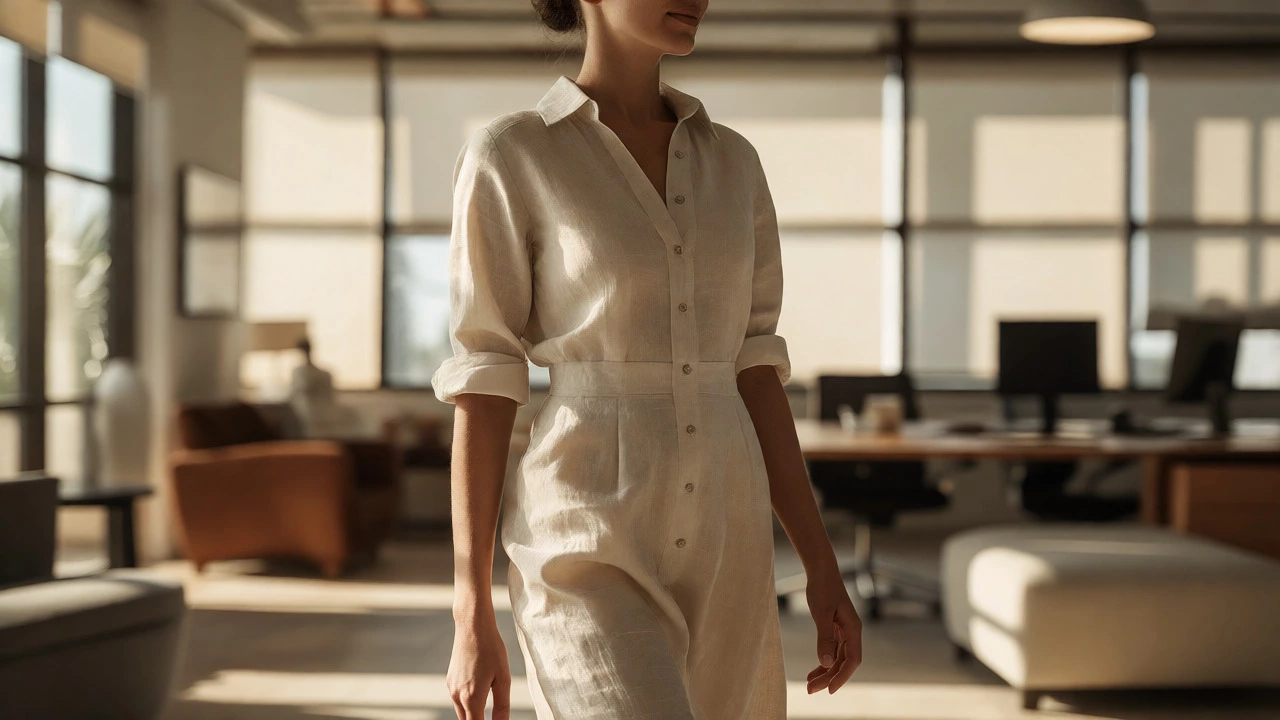
The key here is structure. Look for shirts dresses with collars and buttons. These read as "business attire" rather than "vacation wear." Midi lengths are generally safer than mini skirts in conservative offices, hitting below the knee provides coverage while still being airy. Avoid spaghetti straps unless you’re pairing them with a structured blazer that stays on until 5 PM.
Consider the wrap dress. Originally designed by Diane von Fürstenberg, it’s universally flattering because the V-neck elongates the torso and the waist tie allows for adjustment if you bloat slightly after lunch. Stick to solid colors or subtle geometric prints. Large floral patterns can sometimes look too casual or dated depending on your industry.
| Fabric Type | Breathability | Wrinkle Resistance | Best For |
|---|---|---|---|
| Tropical Wool | High | Medium | Suits, Blazers |
| Linen-Cotton Blend | Very High | Low-Medium | Shirts, Trousers |
| Tencel/Lyocell | High | Medium-High | Dresses, Blouses |
| Seersucker | Very High | High | Casual Fridays, Jackets |
| Polyester (Cheap) | Low | High | Avoid in Summer |
Menswear: Navigating the No-Sock Summer
Men have fewer options, which makes every choice critical. The biggest mistake men make in summer is wearing dark colors. Black absorbs heat; white reflects it. If your office dress code permits, switch your navy and charcoal trousers for light grey, beige, or even pastels like sage green or powder blue. Lighter colors don’t just keep you cooler visually; they absorb less solar radiation.
Then there’s the sock situation. In Wellington, where I live, the wind can pick up suddenly, but in peak summer, hiding ankles is acceptable in most modern offices. Invest in no-show socks or loafers. However, if you’re in a law firm or banking sector, bare ankles might still raise eyebrows. Check your workplace culture first. If you do go sockless, ensure your shoes are clean. Sweat stains on leather loafers are unforgiving.
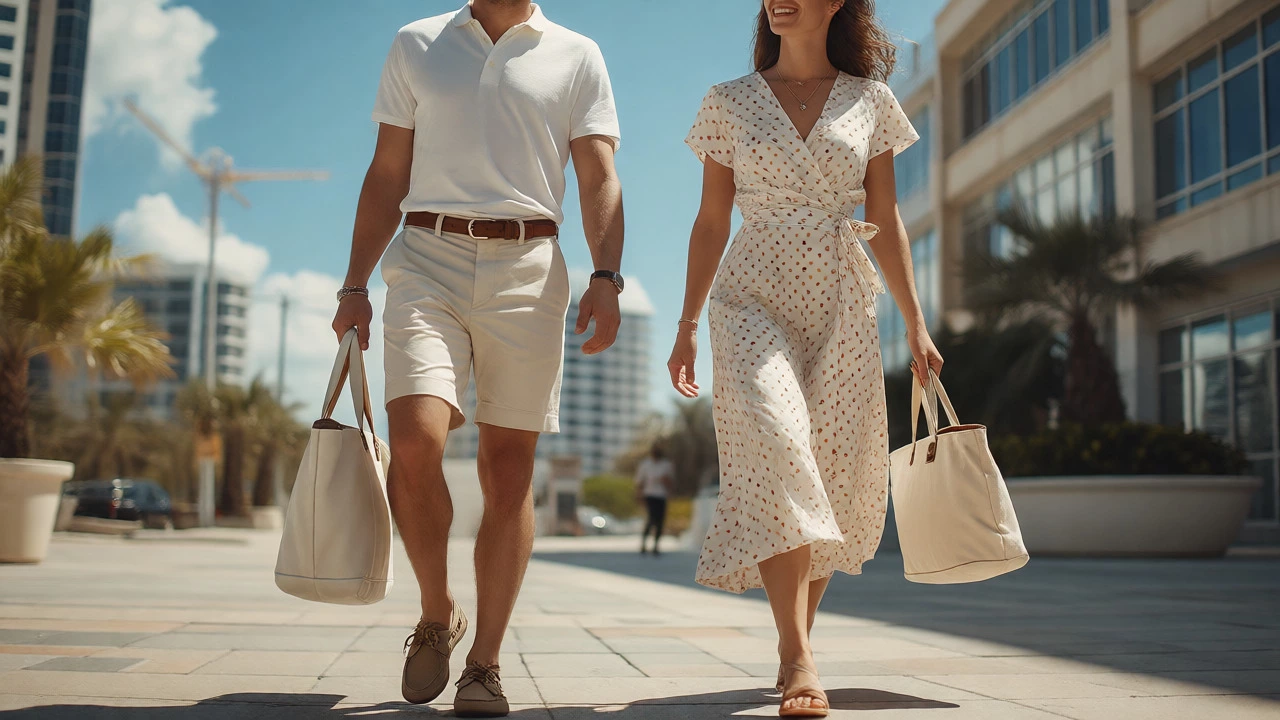
Shorts are the elephant in the room. Unless you work in tech, creative agencies, or a very relaxed startup, shorts are usually a no-go for daily wear. If you must wear them, choose tailored chino shorts that hit just above the knee. Avoid cargo pockets or athletic materials. Pair them with a polo tucked in and leather boat shoes, not sneakers.
Layering Without Overheating
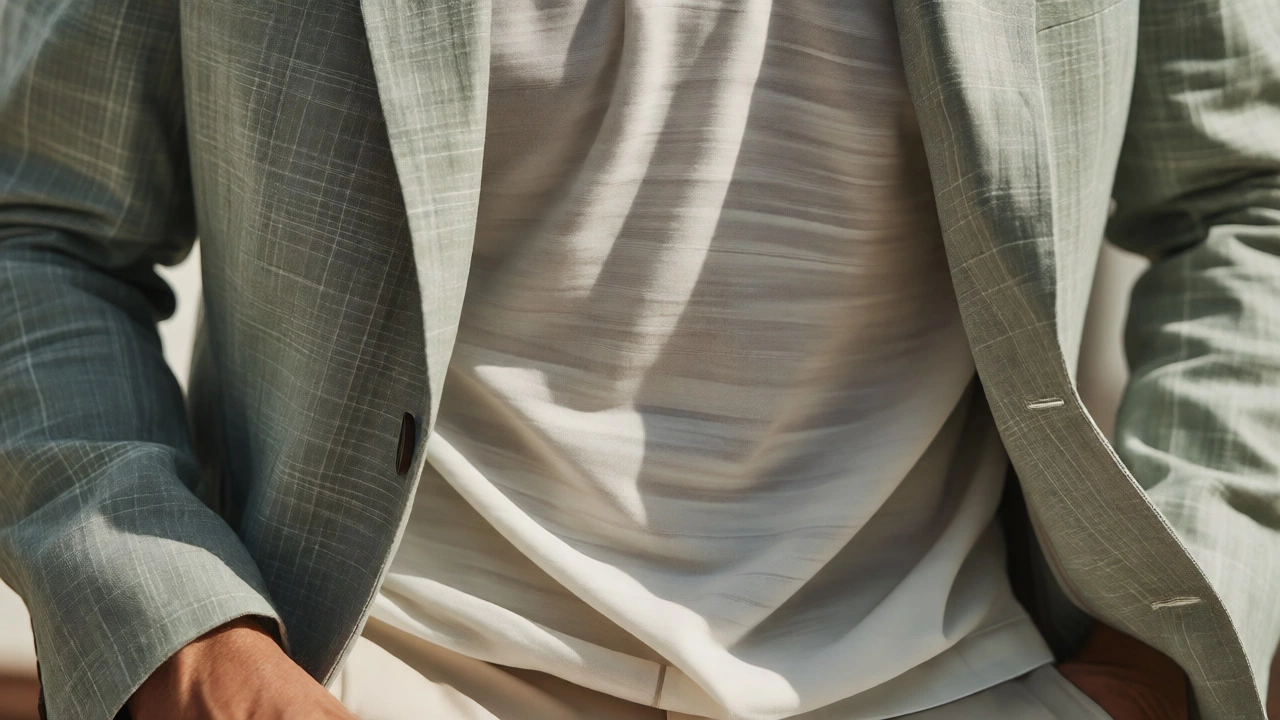
Office AC is often set to arctic levels, even when it’s 30°C outside. You need layers that can be removed easily without ruining your outfit. The standard blazer is heavy. Instead, try an unlined blazer or a lightweight cardigan. For men, a knit polo or a merino wool t-shirt works as a base layer that breathes well but looks substantial enough to stand alone if you take off your jacket.
Women can benefit from a silk scarf. It adds a touch of professionalism, covers cleavage if needed, and can be pulled up around the neck if the AC is blasting. Keep a spare blouse in your drawer at work. Nothing ruins confidence like realizing you sweated through your top during a client presentation. Having a backup saves the day.
Footwear: Comfort Meets Polish
Your feet will swell in the heat. Tight leather pumps that fit perfectly in winter might cut off circulation in July. Switch to block heels or wedges. They provide stability and distribute weight better than stilettos. Leather sandals with a closed toe are often acceptable in business casual environments. Look for brands like Cole Haan or Ecco that integrate sneaker-like cushioning into formal-looking shoes.
For men, derbies are easier to put on and take off than oxfords, making them practical for travel days. But again, material matters. Suede is breathable and softer, though harder to clean if you get caught in a rainstorm. Perforated leather shoes offer ventilation while maintaining a sleek profile.
Accessories That Actually Work
Keep jewelry minimal. Heavy gold chains or large earrings can feel hot and uncomfortable. Opt for smaller studs or thin chains. Sunglasses are essential, but save the oversized aviators for after work. Choose classic Wayfarers or round frames that complement your face shape without looking like you’re trying too hard.
A good watch is timeless, but avoid leather straps that get sticky with sweat. Metal bracelets or NATO straps are easier to wipe down and dry quickly. If you carry a laptop bag, consider a canvas tote instead of a heavy leather briefcase. It’s lighter and matches the casual vibe of summer clothes.
Common Mistakes to Avoid
- Ignoring Undergarments: Wearing thick bras or undershirts defeats the purpose of breathable outerwear. Go seamless and light-colored to prevent visible lines and reduce bulk.
- Overdoing Cologne/Perfume: Heat amplifies scent. What smells nice in a cold office can become overpowering in humidity. Dial back your fragrance application.
- Wearing White Too Carelessly: White shows everything. Use nude or skin-tone underwear, not black or red, which show through light fabrics.
- Neglecting Grooming: Humidity causes frizz. Use anti-humidity hair products. For men, keep facial hair trimmed; stubble looks messy when sweaty.
Ultimately, dressing professionally in summer is about respect-respect for your colleagues’ eyes and respect for your own comfort. You don’t need to buy a whole new wardrobe. Start by checking the labels on your current clothes. Swap out one polyester suit for a wool blend. Buy one linen shirt. Change your socks. Small tweaks yield big results.
Is it okay to wear shorts to the office in summer?
It depends entirely on your company's dress code. In conservative fields like law, finance, or government, shorts are rarely appropriate regardless of the temperature. In creative industries, tech startups, or media, tailored chino shorts (knee-length) paired with a button-down shirt and loafers are increasingly accepted. When in doubt, observe what senior leadership wears.
How do I stop sweat stains showing on my shirts?
First, choose natural fibers like cotton, linen, or Tencel, which breathe better than polyester. Second, wear a thin, breathable undershirt in a color that matches your skin tone or the shirt color, not white (which contrasts with wet spots). Third, use antiperspirant applied at night for maximum effectiveness. Finally, keep a spare shirt at your desk for emergencies.
What is the best fabric for a summer suit?
Tropical wool is widely considered the best option for professional settings. It is lightweight, breathable, and resists wrinkles better than linen. Linen is cooler but wrinkles excessively, making it look disheveled quickly. Cotton seersucker is another excellent choice for less formal business casual environments due to its textured weave that keeps fabric away from the skin.
Can I wear open-toed shoes in a professional office?
This varies by region and industry. In New Zealand and Australia, open-toed sandals are often acceptable in business casual settings if they are neat and well-groomed. In more traditional US or UK corporate environments, open toes are frequently frowned upon. Closed-toe flats, loafers, or block heels are safer bets globally. Always check if pedicures are required-if toes are visible, they must be groomed.
How should I handle the contrast between outdoor heat and indoor AC?
Layering is key. Wear a breathable base layer (like a merino t-shirt or silk camisole) and add a removable middle layer such as a lightweight blazer, cardigan, or vest. This allows you to adjust your temperature instantly. Carry a pashmina or scarf that can serve as a blanket if the office is freezing, without adding bulk to your silhouette.