Sundress vs. Summer Dress Classifier
Confused by retail labels? Answer these questions about the dress in question to determine its true classification according to fashion industry standards.
Select options on the left to identify your dress type.
Quick Reference Guide
You’re standing in front of your closet, staring at two dresses that look almost identical. One is labeled a sundress on the tag, and the other just says "summer dress." You buy both because they’re pretty, but later you wonder: did you actually buy two different things? Or are retailers just throwing around buzzwords to sell more inventory?
Here’s the short answer: there is no strict legal or technical definition separating them. In modern retail, the terms are often used interchangeably. However, if you dig into the history of fashion and how stylists actually use these words, clear distinctions emerge. A sundress has specific structural DNA-it’s defined by its neckline and strap style. A summer dress is defined by its fabric weight and seasonal utility. Understanding this nuance helps you shop smarter, especially when you’re trying to figure out what works for a beach wedding versus a casual brunch.
The Anatomy of a Sundress
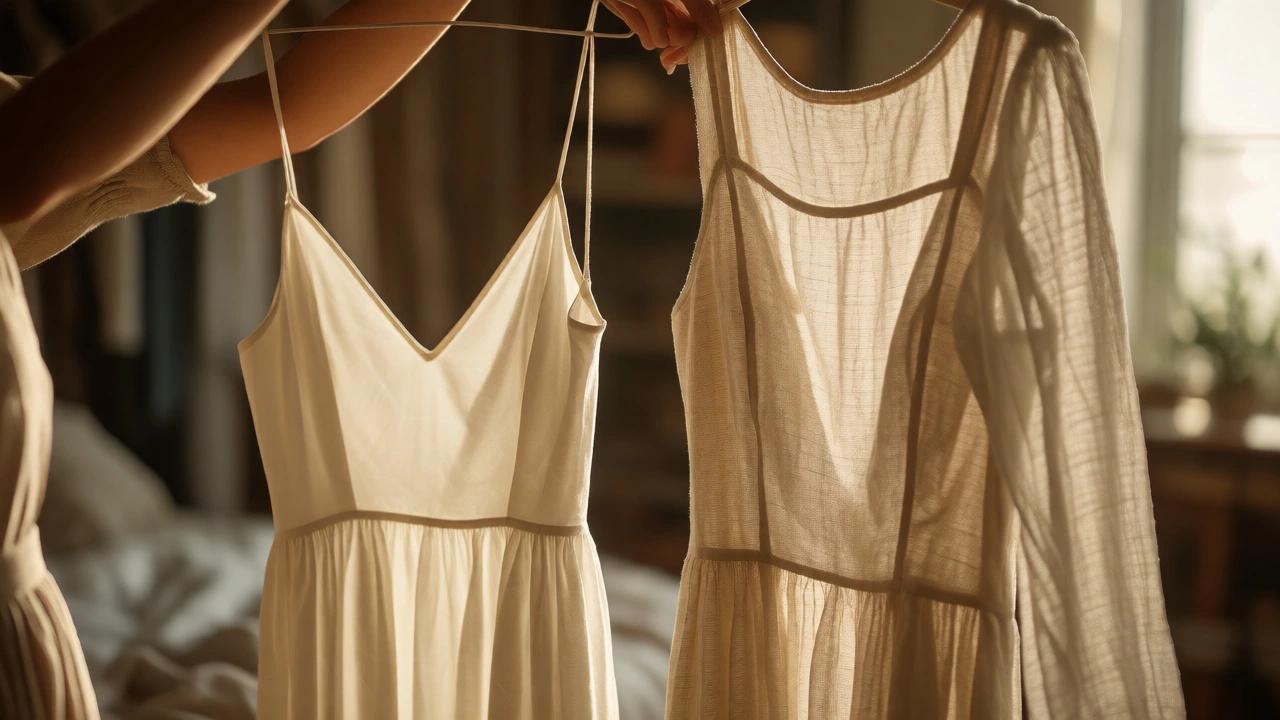
A sundress is a type of casual dress characterized specifically by thin straps, a low-cut neckline, and lightweight fabric designed to expose the shoulders and arms to sunlight. The name itself gives it away. It’s built for sun exposure. Historically, this garment evolved from the slip dresses of the early 20th century, which were meant to be worn under clothes. By the 1960s and 70s, as social norms relaxed, women started wearing those slips as outerwear. That transition birthed the modern sundress.
The defining feature isn’t the color or the pattern-it’s the cut. If a dress has wide shoulder straps, long sleeves, or a high collar, it generally fails the sundress test, even if it’s made of cotton. True sundresses rely on minimalism. Think spaghetti straps, halter necks, or off-the-shoulder cuts. The goal is maximum skin contact with the air. This makes them inherently informal. You wouldn’t typically wear a classic sundress to a formal black-tie event, though fashion rules have loosened significantly in recent years.
Because of their structure, sundresses are also prone to wardrobe malfunctions. Without structured bodices or thick straps, they can shift. Many modern versions include built-in bras or thicker lining to combat this, but purists prefer the unstructured, flowy feel. If you’re shopping for one, check the strap width. Anything wider than half an inch usually pushes it out of the "classic sundress" category and into general casual wear.
Defining the Summer Dress
A summer dress is a broader category of apparel designed for hot weather, prioritizing breathable fabrics, loose fits, and heat-wicking properties regardless of specific cut or strap style. Notice the difference? The definition hinges on function (heat management) rather than form (strap style). A summer dress can have long sleeves if those sleeves are made of sheer linen. It can have a high neck if the fabric is ultra-thin bamboo viscose.
This category includes everything from maxi dresses with button-down fronts to shift dresses made of eyelet cotton. The key metric here is thermal comfort. Designers label something a "summer dress" when they’ve selected materials like linen, seersucker, chambray, or light rayon specifically to keep the wearer cool. A heavy satin midi dress might be beautiful, but if it traps heat, it’s not really a summer dress, even if you bought it in July.
Summer dresses also cover a wider range of occasions. Because the definition doesn’t restrict the neckline or sleeve length, you can find summer dresses appropriate for office settings (like a linen shirt-dress) or religious services (where modesty requires covered shoulders). A sundress, by contrast, is almost exclusively casual or semi-casual due to its revealing nature.
Where the Lines Blur
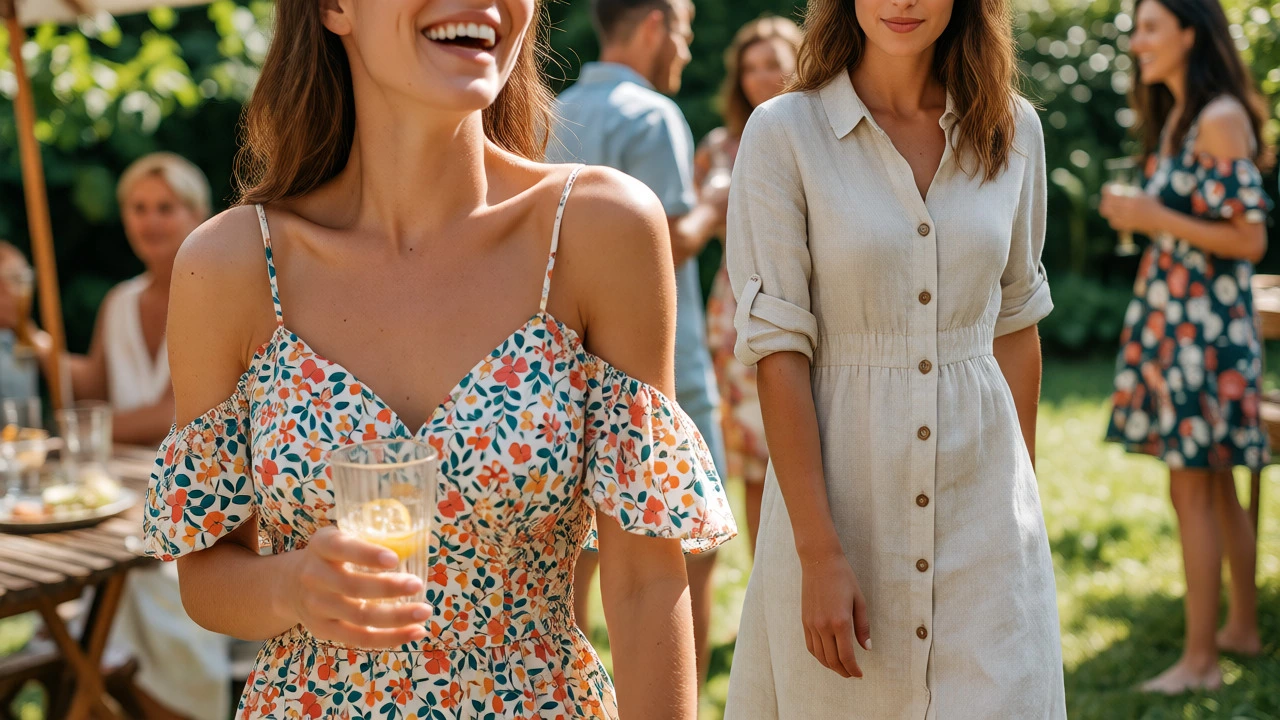
So why do people confuse them? Because most sundresses are summer dresses, but not all summer dresses are sundresses. It’s a Venn diagram where the sundress circle sits entirely inside the summer dress circle. When you see a floral print dress with spaghetti straps and a tiered skirt, it checks every box for both categories. Retailers know this. They’ll tag it with both keywords to maximize search visibility.
However, confusion arises when shoppers assume "summer dress" means "anything I wear in summer." This leads to bad purchases. For example, a thick denim jumper dress is great for spring or autumn evenings, but it’s not ideal for peak summer humidity. Yet, some stores categorize it under summer collections simply because denim fades nicely in the sun. Always check the fabric content first. If the tag says 100% polyester and it’s lined, it’s probably not going to breathe well, regardless of the marketing label.
Fabric Matters More Than Style
If you want to build a versatile warm-weather wardrobe, ignore the names for a second and look at the material composition. This is where the real performance differences lie. Synthetic blends trap sweat and create odor. Natural fibers breathe.
| Fabric Type | Breathability | Best For | Care Level |
|---|---|---|---|
| Linen | High | Humid climates, beach days | High (wrinkles easily) |
| Cotton Poplin | Medium-High | Casual outings, office wear | Low (machine washable) |
| Rayon/Viscose | Medium | Draping, evening looks | Medium (may shrink) |
| Chambray | Medium | Structured casual styles | Low |
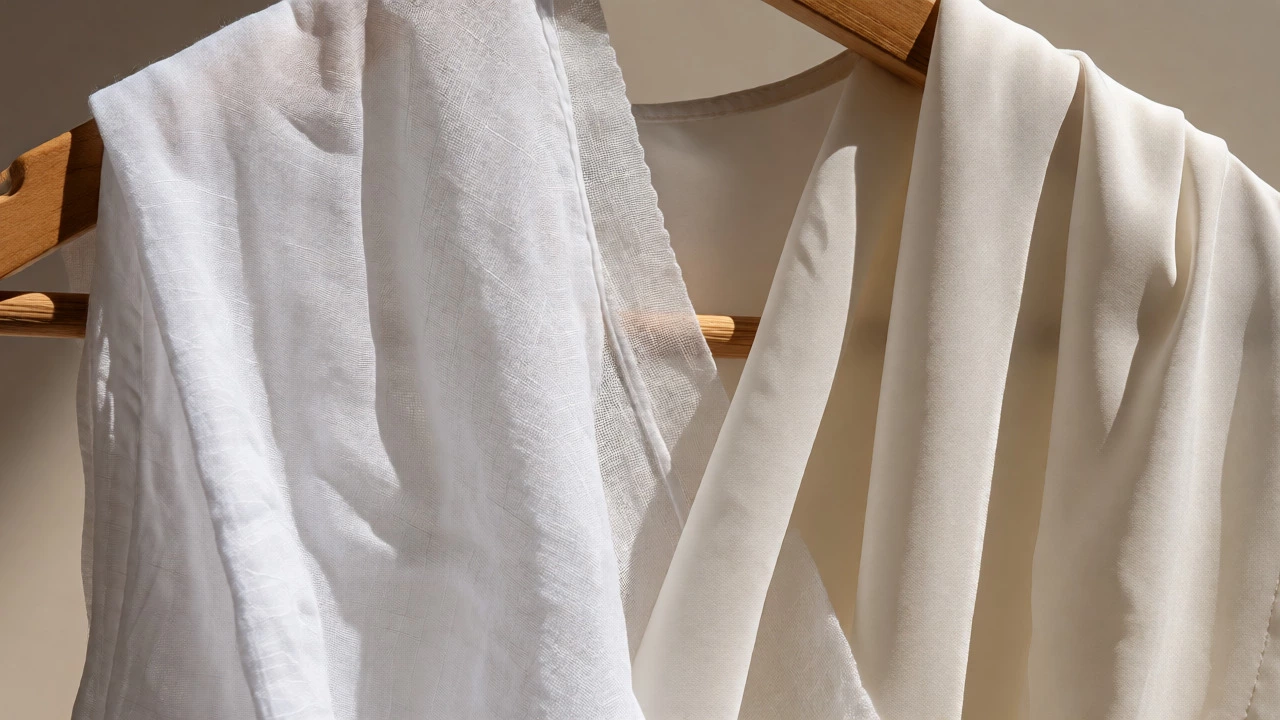
Linen is the gold standard for true summer dressing. It wicks moisture away from the skin rapidly. But it wrinkles instantly. If you hate ironing, stick to cotton poplin or jersey knits. Rayon drapes beautifully and feels cool to the touch initially, but it can get clammy if you sweat heavily. Avoid heavy silks unless they are chiffon or georgette; charmeuse silk is too insulating for high heat.
Styling Tips for Each Category
Since sundresses are structurally minimal, they need accessories to elevate them. A plain white sundress can look like sleepwear if you pair it with flip-flops and a messy bun. To make it intentional, add structured jewelry or a belt. Because the neckline is often low, statement earrings draw attention upward. Footwear should match the vibe-strappy sandals work best. Avoid chunky boots unless you’re going for a deliberate grunge contrast.
Summer dresses offer more styling flexibility. A linen shirt-dress with buttons up to the neck can handle a blazer for a business-casual environment. Pair it with loafers or clean sneakers. Because the silhouette is often looser, you can play with layers. A lightweight cardigan over a summer dress extends its usability into cooler evenings without overheating you during the day.
Consider the occasion carefully. If you’re attending a garden party, a floral sundress is perfect. It matches the setting and keeps you cool while mingling outdoors. If you’re going to a museum tour or a city walk where you might enter air-conditioned buildings, a summer dress with slightly longer sleeves or a higher neck offers better temperature regulation transitions.
Common Misconceptions
One big myth is that sundresses must be floral. While florals are popular, solid colors, stripes, and polka dots are equally valid. The pattern doesn’t define the dress; the cut does. Another misconception is that sundresses are only for young women. Age is irrelevant. Fit and confidence matter more. Older demographics often prefer structured sundresses with thicker straps for support, which still qualify as sundresses because the core design principle-exposed shoulders-remains intact.
Also, don’t assume expensive equals better for summer. High-end designer sundresses sometimes use delicate fabrics that require dry cleaning. A $30 cotton blend sundress from a fast-fashion retailer might actually perform better in humid conditions because it’s easier to wash and replace. Fashion is about context, not just price tags.
Can I wear a sundress to work?
It depends on your workplace dress code. Classic sundresses with spaghetti straps are usually too casual for traditional offices. However, if you layer a blazer over it or choose a version with slightly wider straps and a knee-length hem, it can pass in creative or business-casual environments. Always check company policy first.
What shoes go best with a summer dress?
For casual summer dresses, white sneakers, espadrilles, or flat sandals are ideal. For dressier summer dresses, try block heels or wedges to maintain stability on uneven surfaces like grass or cobblestones. Avoid closed-toe pumps in high heat unless the office AC is aggressive.
Are sundresses suitable for humid climates?
Yes, provided they are made of natural fibers like cotton or linen. Synthetic sundresses can trap sweat and cause discomfort in high humidity. Look for loose weaves and light colors to reflect sunlight and allow airflow.
How do I prevent my sundress from shifting?
Use fashion tape to secure the neckline to your bra or skin. Alternatively, wear a strapless bra with silicone grips. Some modern sundresses come with adjustable straps; tighten these for a snugger fit. Choosing a size that fits your bust correctly reduces slipping.
Is a maxi dress a sundress?
Only if it meets the sundress criteria: thin straps and a low neckline. A maxi dress with long sleeves and a high collar is a summer dress but not a sundress. Length alone does not determine the classification.