Jacket Color Versatility Finder
Answer three quick questions to discover which neutral jacket color offers the best return on investment for your specific wardrobe.
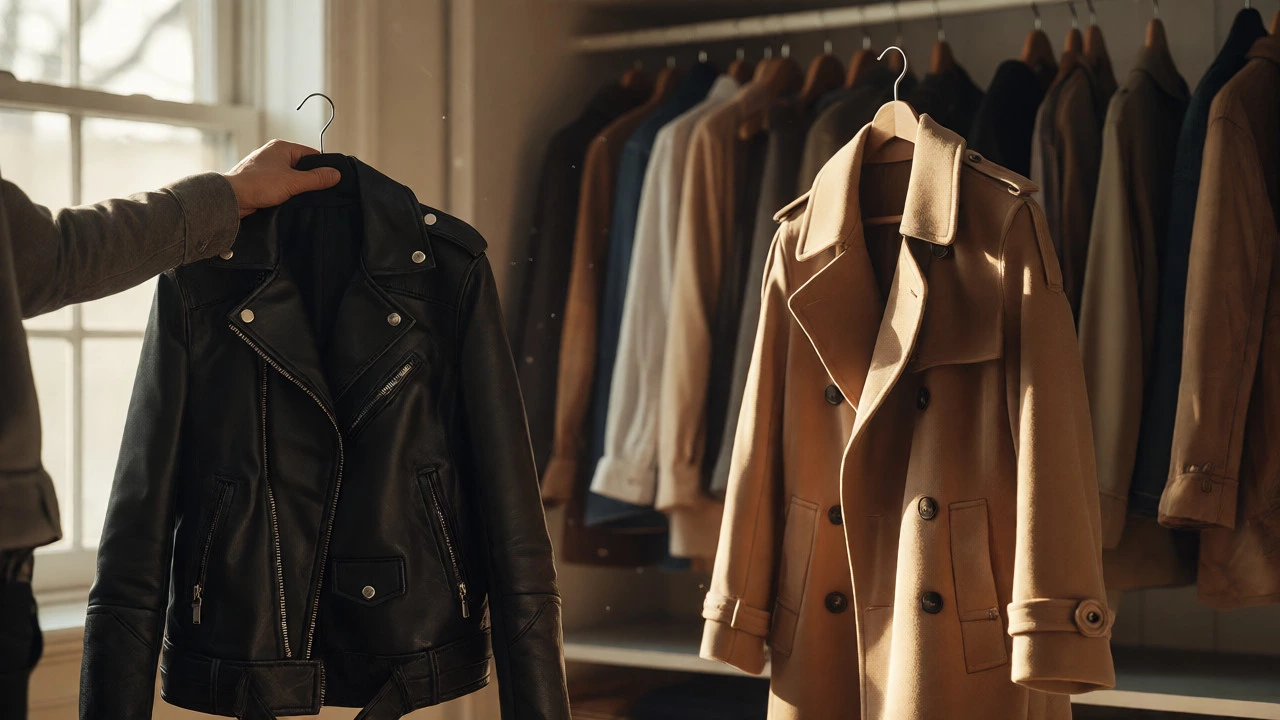
You’re standing in front of your closet, holding a black leather jacket in one hand and a beige trench in the other. The question hits you: which one actually works with everything? It’s not just about looking good; it’s about efficiency. You want one piece that saves time, money, and mental energy every single morning. While style is subjective, color theory and practical experience point to a few clear winners that dominate the fashion world for a reason.
The answer isn’t a single color, but rather a hierarchy of neutrals. If you could only own three jackets for the rest of your life, they would likely be black, navy blue, and camel (or tan). These shades form the backbone of a functional wardrobe because they lack strong chromatic signals that clash with other hues. They act as visual anchors, allowing your shirts, pants, and accessories to take center stage without fighting for attention.
Why Black Is the Undisputed King of Versatility
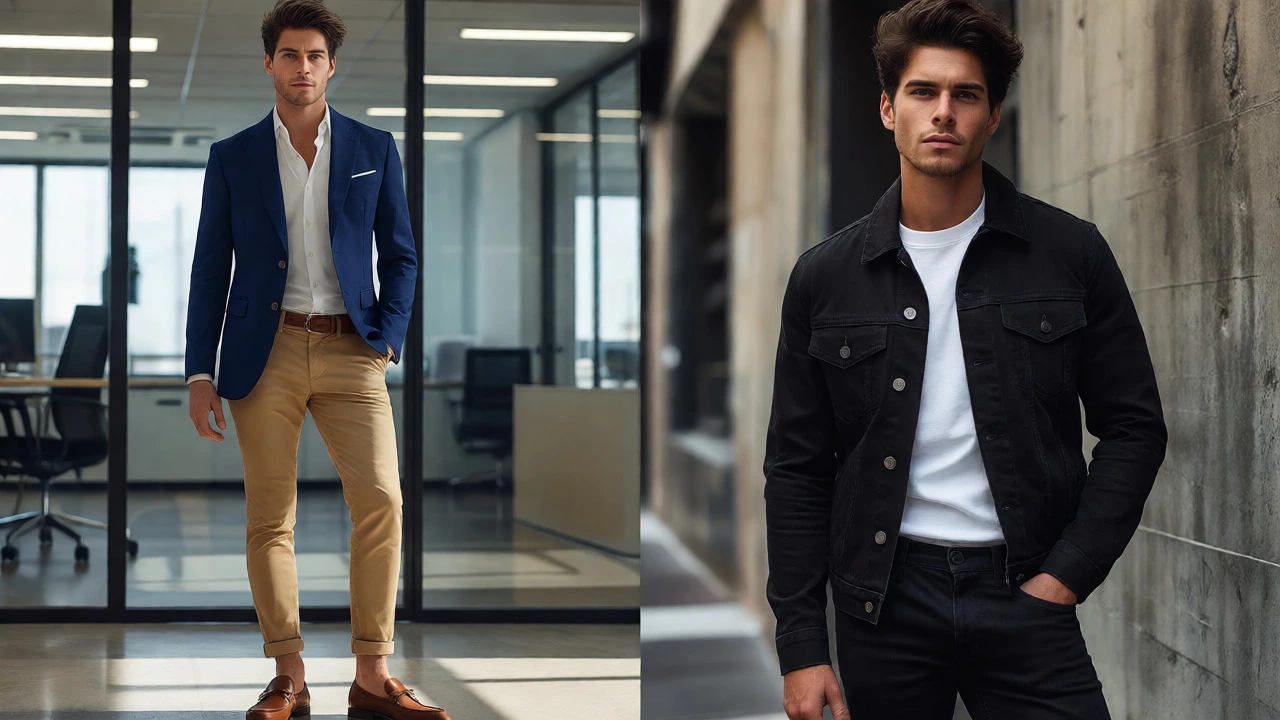
Black is the most universally accepted color in fashion history. It is a neutral shade that absorbs light, creating a slimming effect and providing high contrast against almost any background or skin tone. From formal tuxedos to casual streetwear, black jackets bridge gaps that other colors simply can’t cross. A black denim jacket looks appropriate at a rock concert and acceptable at a smart-casual office party if styled correctly.
The power of black lies in its neutrality. It doesn’t compete with patterns. Throw a black bomber over a floral dress, and the flowers pop. Wear it over a striped shirt, and the stripes remain crisp. There is no color wheel conflict. However, black isn’t perfect for everyone. In very hot climates, it absorbs heat, making it less practical than lighter tones. Additionally, pure black can sometimes look harsh against pale skin tones if not balanced with lighter inner layers. But generally, if you buy one jacket, make it black.
Navy Blue: The Professional’s Secret Weapon
If black feels too severe or edgy for your daily routine, Navy Blue is the sophisticated alternative. Unlike black, navy retains some color depth while remaining firmly in the neutral category. It pairs seamlessly with gray, white, beige, and even brown-something black often struggles with. This makes navy blazers and field jackets incredibly useful for men and women who wear earth tones frequently.
Navy works because it mimics the sky and ocean, colors humans are evolutionarily wired to find calming and trustworthy. In business settings, a navy blazer is often preferred over black because it appears more approachable and less somber. For casual wear, a navy windbreaker or hoodie offers a relaxed vibe that doesn’t scream “gym clothes” like gray might. If you have a lot of khaki, olive, or rust-colored clothing, navy will integrate better than black ever could.
Camel and Tan: The Warm Neutrals That Elevate Any Outfit
For those who prefer a softer aesthetic, Camel or Tan jackets offer warmth and elegance. These shades belong to the earth-tone family and pair beautifully with denim, white, black, and other warm colors. A classic camel coat is a staple in luxury fashion for a reason-it looks expensive and timeless regardless of the trend cycle.
However, camel requires a bit more care. Because it is a light color, it shows dirt easily. More importantly, it can wash out people with very similar skin undertones. If you have pale, cool-toned skin, a yellow-based tan might make you look sallow. In this case, opt for a cooler beige or stone gray instead. But for most people, a well-tailored tan jacket adds an instant layer of polish to jeans and a t-shirt. It softens the overall look, making it ideal for spring and autumn transitions.
Gray: The Modern Minimalist Choice
While black, navy, and camel are traditional, Gray has risen in popularity due to the rise of athleisure and minimalist design. Gray exists on a spectrum from charcoal to heather, offering flexibility depending on your needs. Charcoal behaves similarly to black but feels less heavy. Light gray, conversely, acts like white but is more forgiving regarding stains.
Gray is particularly effective in urban environments where concrete and steel dominate the landscape. It blends in while still providing texture. A gray parka or puffer jacket is highly versatile because it doesn’t draw attention to itself. This makes it perfect for travelers who need one jacket for multiple destinations. Just be cautious with matching gray-on-gray outfits; without contrasting textures, you risk looking like a smudge. Pair a gray jacket with textured knits or crisp whites to maintain definition.
| Color | Best For | Pairs Well With | Avoid Pairing With | Seasonality |
|---|---|---|---|---|
| Black | Nightlife, Formal, Edgy Styles | All Colors, Especially White & Red | Dark Browns (can clash) | All Year (hot in summer) |
| Navy Blue | Office, Business Casual, Daytime | Khaki, Gray, White, Brown | Other Blues (if too similar) | Spring, Fall, Winter |
| Camel/Tan | Smart Casual, Luxury Looks | Denim, White, Black, Olive | Bright Neon Colors | Fall, Spring, Mild Winter |
| Gray | Athleisure, Urban, Minimalist | White, Pastels, Navy | Muddy Browns | All Year |
How to Choose Based on Your Existing Wardrobe
Don’t buy a jacket based on what looks good in the store. Buy it based on what hangs in your closet. Look at your top five most-worn outfits. Do you wear mostly dark jeans and tees? Go for a lighter jacket like camel or light gray to create contrast. Do you wear a lot of bright colors and prints? Stick to black or navy to ground the look.
Consider your skin tone as well. Cool skin tones (veins appear blue/purple) usually look best in black, navy, and cool grays. Warm skin tones (veins appear green) glow in camel, tan, and warm browns. Neutral skin tones can pull off everything. If you’re unsure, hold different colored fabrics up to your face in natural light. The color that makes your eyes brighter and skin clearer is your winner.
Beyond the Basics: When to Break the Rules
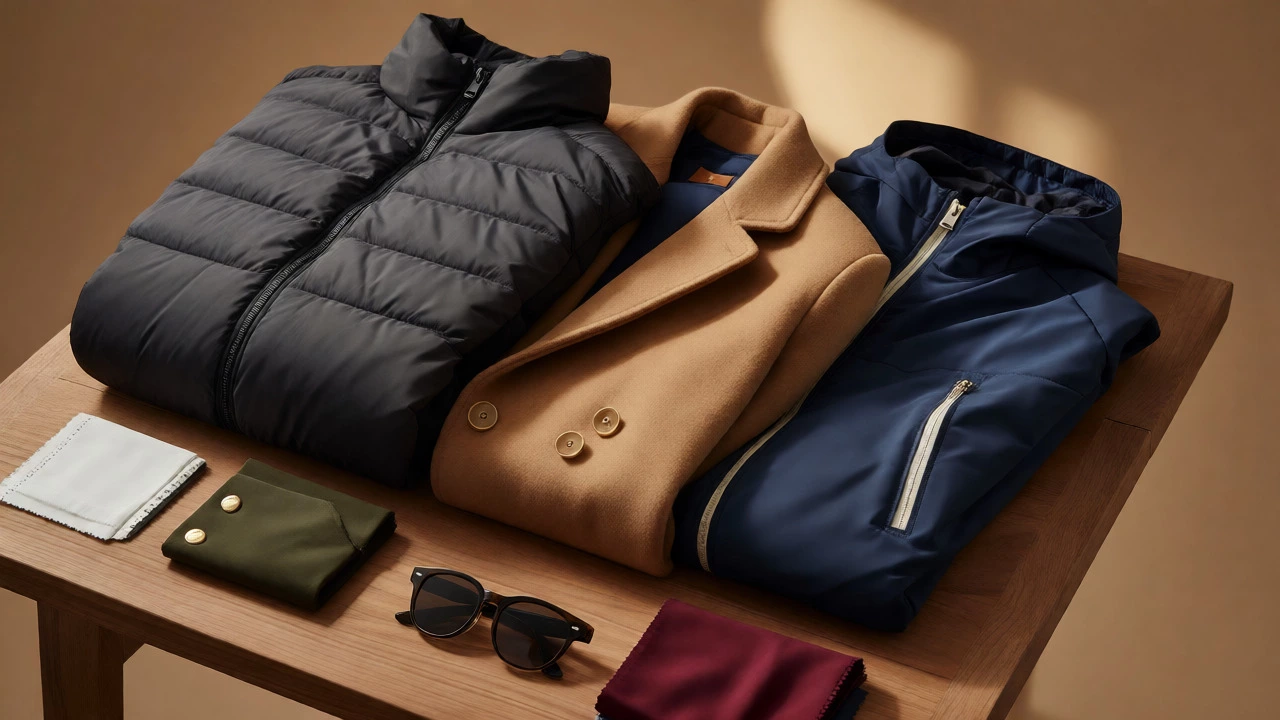
Once you have mastered the neutrals, you can experiment. But remember, versatility decreases as saturation increases. An olive green jacket is surprisingly versatile because it reads as a neutral to many people. It pairs well with black, white, denim, and tan. It’s a great fourth option if you already own the big three. Burgundy is another semi-neutral that works well in fall and winter, adding richness without being too loud.
Avoid bright primary colors like red, royal blue, or orange if your goal is maximum versatility. A red jacket is a statement piece. It dictates the rest of the outfit. You’ll find yourself building outfits around the jacket rather than the jacket fitting into your existing outfits. Save these for specific occasions or when you want to stand out.
Practical Tips for Maximizing Versatility
- Texture Matters: Two black jackets can look completely different if one is matte cotton and the other is shiny nylon. Mix textures to keep neutral outfits interesting.
- Fit is Key: A poorly fitted black jacket looks sloppy. A well-fitted one looks tailored. Spend money on fit, not just brand.
- Layering Logic: Ensure your jacket fits over your thickest sweater. If you plan to wear it in winter, try it on with a chunky knit before buying.
- Hardware Details: Silver zippers and buttons lean cool (better with black/navy/gray). Gold hardware leans warm (better with camel/tan/brown).
Ultimately, the most versatile jacket is the one you reach for first. For most people, that’s a black leather or denim jacket for casual days and a navy or camel coat for professional ones. Start with black if you’re new to building a capsule wardrobe. It’s the safest bet, the easiest to clean, and the hardest to get wrong.
Does a white jacket go with everything?
White is technically versatile but practically difficult. It shows every stain and dust particle immediately. While it pairs with all colors, the maintenance required makes it less "goes with everything" in terms of daily usability compared to black or navy. It is best reserved for special occasions or controlled environments.
Is olive green considered a neutral color?
Yes, olive green is widely considered a neutral in modern fashion. It functions similarly to tan or brown but offers a distinct military-inspired aesthetic. It pairs exceptionally well with denim, black, white, and other earth tones, making it a strong alternative for those who find standard neutrals boring.
Which color jacket is best for professional settings?
Navy blue is generally the best choice for professional settings. It conveys trust and competence without the severity of black. A navy blazer or structured coat is acceptable in almost every corporate environment, whereas black can sometimes appear too formal or funeral-appropriate for daytime business.
Can I wear a black jacket with brown shoes?
Traditionally, mixing black and brown was frowned upon, but modern fashion rules are looser. Dark brown shoes with a black jacket can work if the shades are distinct enough. However, for maximum safety and cohesion, stick to black shoes with a black jacket, or choose a navy jacket which bridges the gap between black and brown accessories.
What is the most durable color for a jacket?
Black and dark navy tend to hide wear and tear best. Fading is less noticeable on darker fabrics, and minor scuffs blend into the shadow of the material. Camel and light gray show scratches, dirt, and fading much more quickly, requiring more frequent cleaning or replacement.