Slipper Color Selector Tool
Step 1: Choose Your Lifestyle Factors
Color Preview
Quick Reference
| Color Type | Maintenance |
|---|---|
| Light Neutrals | High |
| Dark Tones | Low |
| Bold Solids | Medium |
| Patterns | Very Low |
You’re standing in the aisle at a department store or scrolling through an endless feed of home goods online. The material feels great. The arch support is perfect. But then you hit the wall: color. Do you go for the safe beige? The bold red? Or maybe that weird mustard yellow everyone seems to be wearing inside their houses lately?
Picking the color of your slippers might seem like a trivial decision, but it actually dictates how long you’ll keep them, how often you’ll wash them, and whether they look ridiculous when you answer the door for a pizza delivery. It’s not just about aesthetics; it’s about lifestyle compatibility.
The Case for Neutrals: Beige, Grey, and White
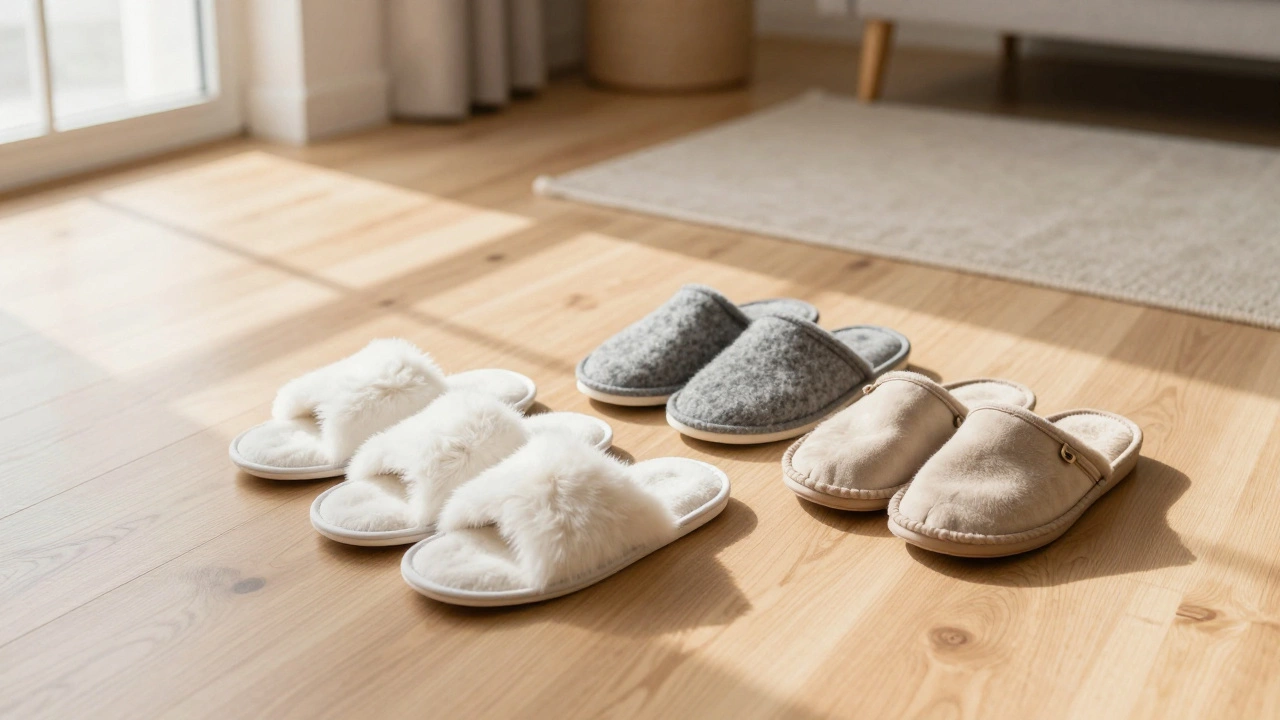
Let’s start with the most common choice. Neutral colors-specifically beige, cream, light grey, and white-are the default for a reason. They look clean. They match almost every interior design style, from minimalist Scandinavian to cozy Bohemian. If you have hardwood floors or light-colored rugs, a pair of oatmeal-colored moccasins blends right in. They don’t scream for attention.
However, there is a massive catch. Neutrals are stains’ best friends. Spilled coffee? Instant brown spot on your white faux fur. Walking barefoot outside to get the mail? Your pristine grey slides now have mud splatters on the heel. If you choose neutrals, you need to accept one rule: you will be washing them frequently. If you hate doing laundry, avoid pure white. Opt for heather grey or a textured taupe instead. These shades hide micro-dirt better than solid bright whites while still keeping that airy, clean look.
Who should buy these? People who live in apartments without pets, people who rarely step outside their front door, and those who prioritize a seamless aesthetic over low maintenance.
The Dark Side: Black, Navy, and Charcoal
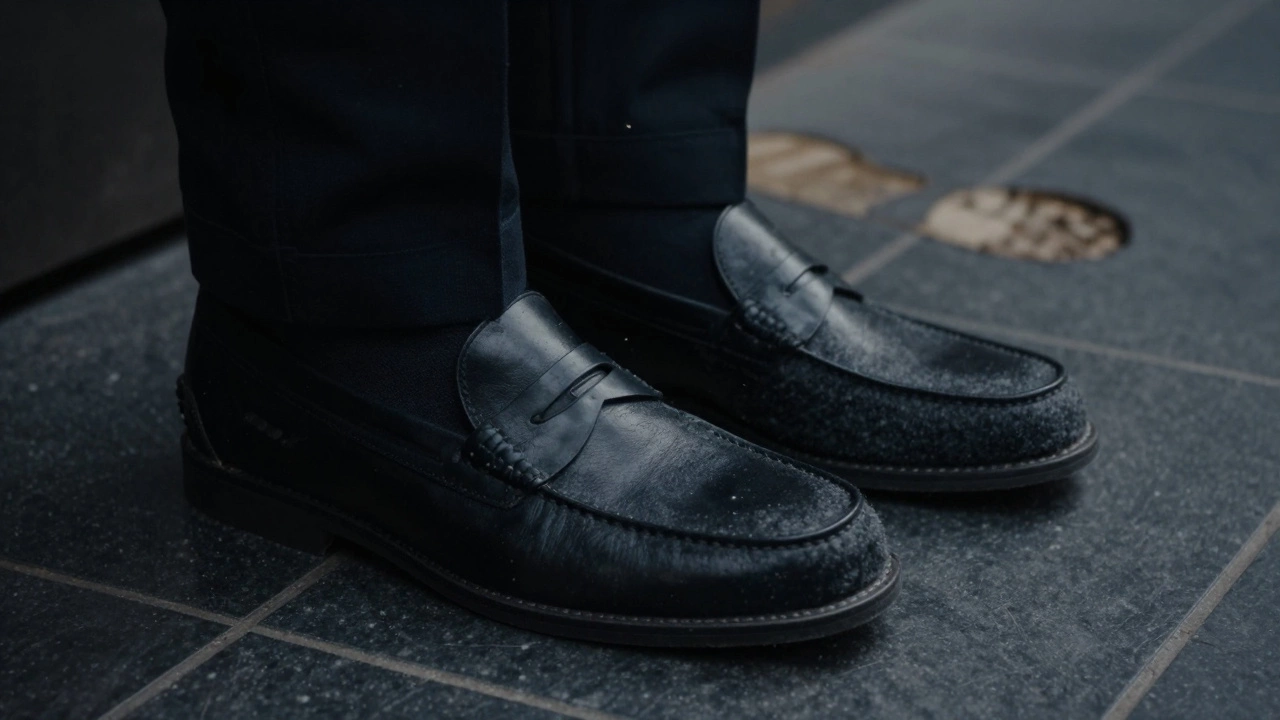
If you want slippers that survive a week of chaos without looking like they’ve been through a war zone, go dark. Black, navy blue, charcoal grey, and deep forest green are the workhorses of footwear. They absorb visual noise. Dust doesn’t show up on black as quickly as it does on beige. Mud dries into a lighter patch that isn’t immediately obvious against a dark background.
There’s also a psychological factor here. Dark colors feel more "dressed up." A pair of black leather loafers can transition from lounging on the couch to answering the door for a package carrier without making you feel underdressed. They tend to look sharper and more structured. Plus, if you accidentally wear them out to grab trash bins, no one will judge you as harshly as they would if you were wearing pastel pink fuzzy boots.
The downside? Heat. In warmer months, especially if you live somewhere sunny like Wellington during summer, black fabric absorbs heat. Your feet might get warmer faster in dark wool slippers compared to light cotton ones. Also, if you have light-colored hair or skin tones that contrast sharply, very dark slippers can sometimes look heavy or grounding in a way that feels less inviting.
Bold Colors: Red, Blue, and Mustard
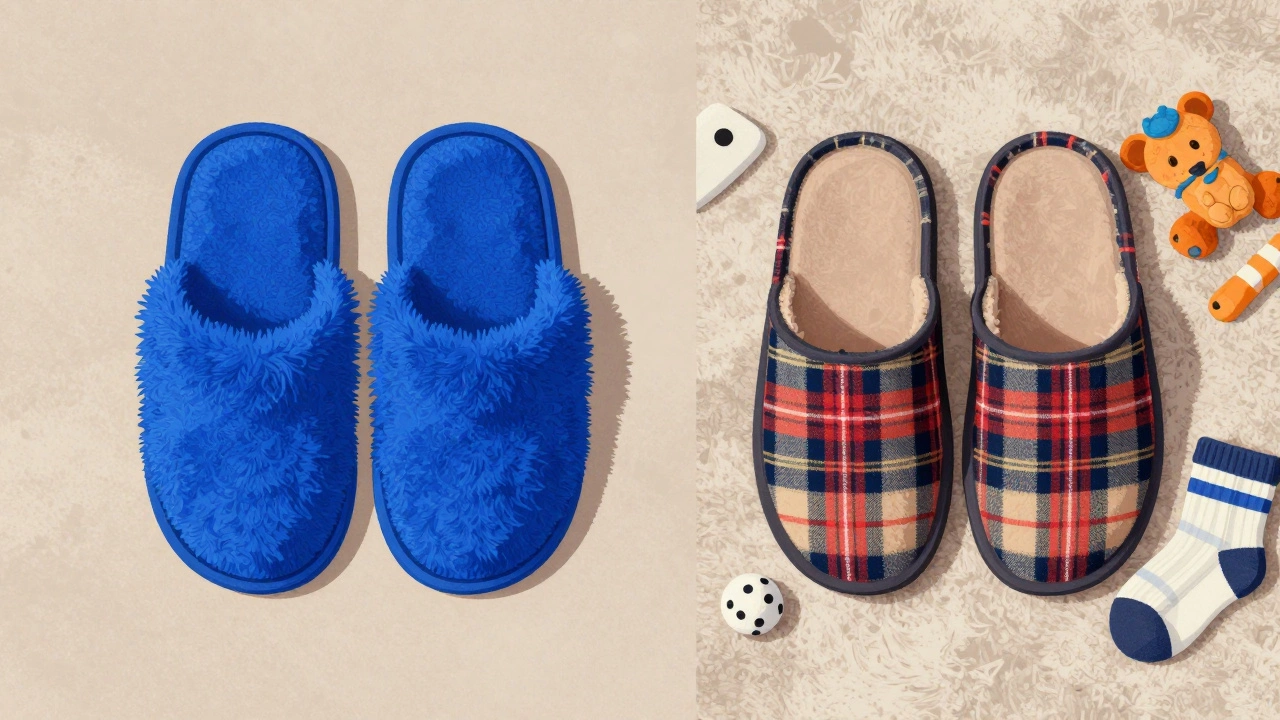
Now, let’s talk personality. Bright colors serve a specific function: mood regulation. When you wake up groggy and put on a pair of vibrant cobalt blue or sunshine yellow slippers, it signals to your brain that it’s time to start the day. It adds a pop of energy to a room that might otherwise feel dull.
Bold colors also solve a practical problem: visibility. Have you ever dropped your keys or your phone next to your bed and couldn’t find them because everything was beige-on-beige? Bright slippers stand out. More importantly, you won’t lose them. If you kick them off near the sofa, a bright orange pair is easy to spot. A grey pair disappears into the carpet.
But here is the risk: commitment fatigue. You might love neon green today, but in six months, it might clash with your new rug or just feel too loud for your evening relaxation routine. Bold colors date faster. Trends shift. That mustard yellow that was huge in 2023 might feel outdated by 2027. If you buy bold, make sure it’s a color you genuinely love, not just one that’s trending on social media.
Patterned vs. Solid: Hiding the Wear
Sometimes the best color is no single color. Patterns-plaid, houndstooth, floral, or geometric prints-are the ultimate camouflage. A plaid slipper in red and green hides dirt incredibly well because the eye can’t focus on a single stain. The pattern breaks up the visual field.
Patterns also allow you to introduce color without the intensity of a solid block. A navy slipper with small white polka dots gives you the durability of dark fabric with the playfulness of light accents. This is a smart middle ground. You get the longevity of dark tones with the aesthetic interest of brighter hues.
Consider the complexity of the pattern. Busy patterns hide wear and tear better than simple stripes. If you have kids or pets, a complex tartan or abstract print will keep your slippers looking newer for longer. Simple stripes can reveal scuffs and fading more easily because the line gets broken.
Material Matters: How Fabric Changes Color Perception
You can’t talk about color without talking about texture. The same shade of blue looks completely different on suede versus fleece versus rubber. Suede has a matte finish that softens colors, making them look earthier and more muted. Fleece reflects light, making colors appear brighter and fluffier. Rubber soles, especially on slide sandals, often come in stark whites or blacks that look industrial rather than cozy.
If you choose a dark color, ensure the material breathes. Dark wool retains heat. If you run hot, a dark cotton canvas might be better than dark shearling. Conversely, if you choose a light color, avoid thin materials that show the outline of your foot or toes. Thick, plush materials maintain the illusion of a clean, uniform color even if your foot shape shows through slightly.
Matching Your Home Environment
Your slippers exist in a context. Look around your living room. What are the dominant colors? If your walls, sofa, and rugs are all cool greys and blues, warm terracotta slippers might stick out like a sore thumb. They don’t have to match exactly, but they shouldn’t fight the room. Complementary colors work well. Cool rooms benefit from warm accents (like rust or amber slippers). Warm rooms (lots of wood, beige, cream) look great with cool accents (navy, teal, or sage green).
Think about your flooring. Light carpets show every speck of dirt tracked in by your shoes before you switch to slippers. Dark slippers on light carpets create a high-contrast look that emphasizes cleanliness-or lack thereof. On hardwood floors, color matters less because the floor itself is a neutral backdrop. Here, you can experiment more freely.
| Color Type | Stain Visibility | Maintenance Level | Best For |
|---|---|---|---|
| Light Neutrals (Beige/White) | High | High (Frequent Washing) | Clean homes, pet-free zones |
| Dark Tones (Black/Navy) | Low | Low | Active households, outdoor use |
| Bold Solids (Red/Yellow) | Medium | Medium | Mood boosting, easy locating |
| Patterns (Plaid/Print) | Very Low | Low | Kids, pets, high traffic areas |
Seasonal Considerations
Do you change your wardrobe with the seasons? Many people do, and slippers are no exception. In winter, we crave warmth, which translates visually to darker, richer colors like burgundy, forest green, and chocolate brown. These colors feel substantial and insulating. In summer, we want airiness. Pastels, whites, and light greys feel cooler to the touch and psychologically lighter.
If you only buy one pair, aim for versatility. A medium grey or a muted olive green works year-round. It’s not too dark for summer evenings and not too light for winter mornings. Avoid extreme seasonality unless you plan to rotate pairs. Having a dedicated "winter boot" and a "summer slide" allows you to pick colors that fit the vibe of each season without compromising on comfort.
The Guest Factor
Will you have guests over? If you entertain frequently, consider how your slippers look when you’re hosting. Bright, quirky, or heavily worn slippers can send a signal about your level of formality. Neutral or dark leather-look slippers are safer bets for unexpected visitors. They suggest tidiness and control. If you live alone and rarely have company, this matters less. Feel free to wear whatever makes you happy, even if it’s mismatched socks-as-slippers.
What is the most practical color for slippers?
Dark colors like black, navy, or charcoal are the most practical. They hide dirt, dust, and minor stains effectively, requiring less frequent washing. They also tend to look cleaner for longer periods, making them ideal for busy households or those who step outside occasionally.
Do light-colored slippers show dirt more than dark ones?
Yes, significantly. Light colors like beige, white, and cream act as a canvas for any debris picked up from floors or outdoors. While they look aesthetically pleasing initially, they demand regular cleaning to maintain their appearance. Heathered or textured light fabrics can help mask some dirt better than solid smooth surfaces.
Are patterned slippers better at hiding wear and tear?
Absolutely. Complex patterns like plaids, florals, or geometric prints break up the visual field, making scuffs, stains, and fading much less noticeable. This makes them an excellent choice for families with children or pets, or for anyone who wants their slippers to look new for a longer duration.
Should I match my slippers to my home decor?
It’s not strictly necessary, but complementary colors create a more cohesive environment. If your home is predominantly cool-toned, warm slipper colors can add a nice accent. If your home is warm-toned, cool slippers provide balance. However, comfort and personal preference should always take precedence over strict decor matching.
What color slippers are best for hot climates?
Lighter colors reflect heat better than dark ones, so whites, creams, and pastels are technically cooler. However, the material matters more than the color. Breathable fabrics like cotton or bamboo in any light shade will keep your feet cooler than dark, heavy wool or synthetic materials, regardless of the hue.