Black Tie Dress Code Checker Interactive Tool
Select the items you plan to wear below to see if you are properly dressed for a strict "Black Tie" invitation.
Men's Checklist
Women's Checklist
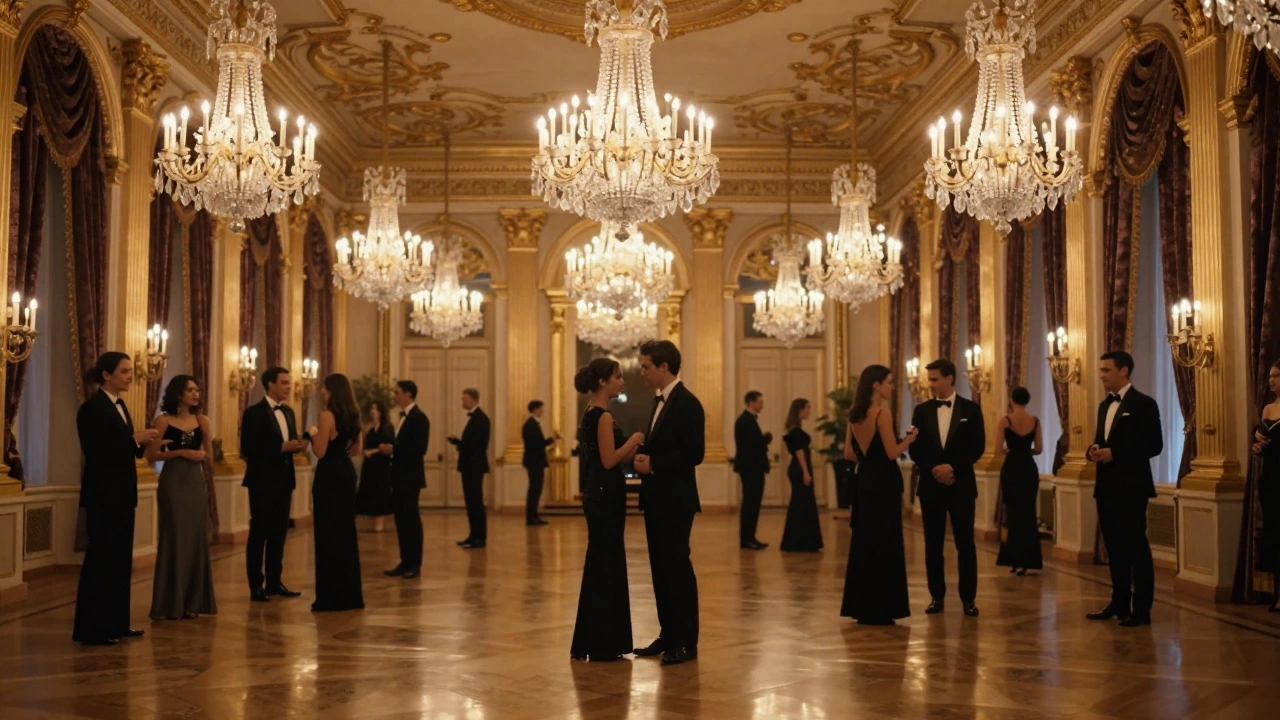
Imagine walking into a grand ballroom where every guest looks like they stepped out of a vintage Hollywood film. The air is crisp, the chandeliers are bright, and the standard isn't just "nice"-it is strict. If you have ever received an invitation with the phrase black tie, you might wonder if that is the peak of formality or if there is something even more rigid waiting in the wings. The short answer is yes; there is a tier above black tie, but for most modern occasions, black tie remains the gold standard for formal evening attire.
Understanding the hierarchy of evening dress codes prevents the social anxiety of under-dressing or over-dressing. It is not just about wearing expensive clothes; it is about adhering to specific rules regarding fabric, silhouette, and accessories. Whether you are attending a gala, a wedding, or a state dinner, knowing exactly what is expected allows you to focus on enjoying the event rather than worrying about your outfit.
The Hierarchy of Formality: White Tie vs. Black Tie
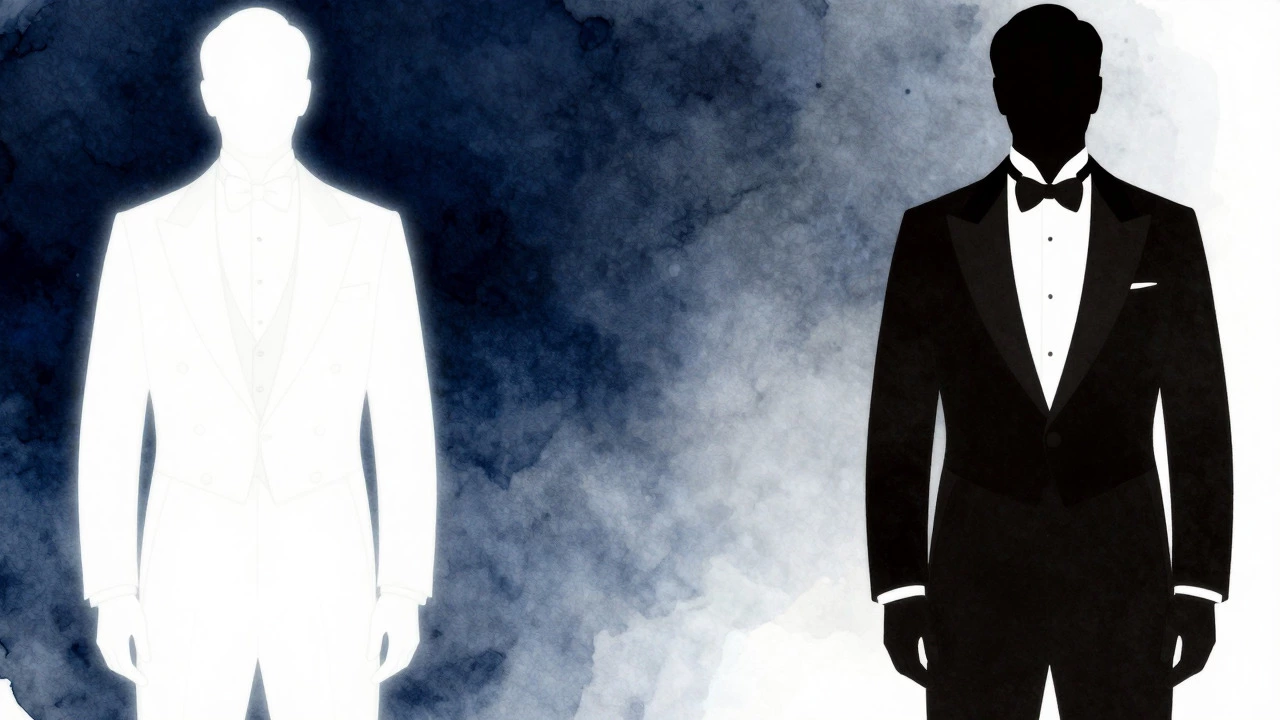
To determine the most formal option, we must look at the two highest tiers: White Tie is the most formal traditional evening dress code, requiring a tailcoat, white bow tie, and white waistcoat. This level of formality is reserved for extremely rare events, such as royal weddings, state dinners, or major opera premieres. If you see "white tie" on an invitation, do not guess. You need a full tailcoat ensemble, which most people do not own, so renting is often necessary.
Below white tie sits Black Tie, which is the standard for formal evening events, characterized by a tuxedo, black bow tie, and patent leather shoes. For the vast majority of "formal" invitations in the 21st century, this is the ceiling. It is the default expectation for galas, charity balls, and high-end weddings after 6 PM. While white tie is technically more formal, black tie is the practical maximum for most contemporary social calendars.
Anatomy of a Black Tie Outfit
When you commit to a black tie dress code, certain elements are non-negotiable. Deviating from these standards can make you look like you guessed wrong, even if your suit is expensive. The core components include:
- The Tuxedo: Unlike a regular suit, a tuxedo features satin or grosgrain lapels (shawl, notch, or peak). The fabric should be midnight blue or black wool. Midnight blue is often preferred because it photographs better and hides stains slightly better than pure black.
- The Shirt: A white pleated or marcella front shirt is standard. Plain front shirts are acceptable but less traditional. Cuffs should be French cuffs, worn with cufflinks, not buttons.
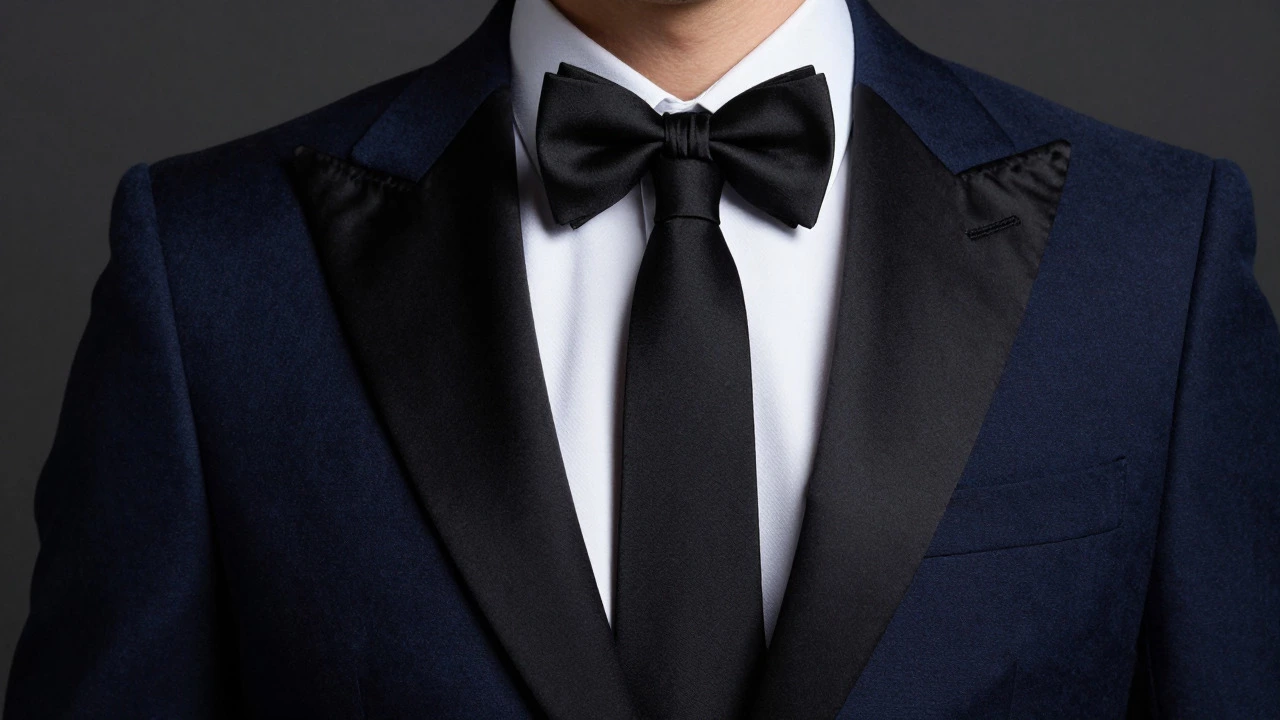
- The Bow Tie: It must be black silk. It should be tied by hand for a perfect shape, though pre-tied options exist for those who struggle with knots. Avoid wide bow ties; a classic narrow width is safer.
- The Shoes: Patent leather oxfords or derbies are the rule. Suede or matte leather shoes are too casual for true black tie.
Navigating Modern Variations and Pitfalls
Fashion evolves, and so do dress codes. You might see terms like "Creative Black Tie" or "Modern Black Tie." These allow for some flexibility, such as a dark navy suit instead of a tuxedo or a colored bow tie. However, unless explicitly stated, stick to the classics. One common mistake is wearing a suit jacket with a bow tie. A suit has a different cut and pocket structure than a tuxedo. Mixing them creates a hybrid look that confuses the eye and signals a lack of understanding of the code.
Another frequent error involves accessories. Pocket squares should be white linen or cotton, folded simply. Avoid loud patterns or colors. Cufflinks should be understated-silver or mother-of-pearl work well. Bright gemstones or flashy designs distract from the elegance of the outfit. Keep the overall aesthetic monochromatic and sleek.
| Dress Code | Primary Garment | Neckwear | Occasion Examples | Formality Level |
|---|---|---|---|---|
| White Tie | Tailcoat | White Silk Bow Tie | Royal Weddings, State Dinners | Highest |
| Black Tie | Tuxedo | Black Silk Bow Tie | Galas, Formal Weddings, Awards | High |
| Black Tie Optional | Dark Suit or Tuxedo | Black Necktie or Bow Tie | Semi-formal Events | Medium-High |
What About Women's Attire?
While men's codes are rigid, women's interpretations of black tie offer more creative freedom. The expectation is a floor-length evening gown. Cocktail dresses, which typically hit above the knee, are generally considered too casual for strict black tie, though they may pass for "black tie optional." Fabrics like silk, chiffon, velvet, or sequins are appropriate. Colors can range from classic black to deep jewel tones like emerald, sapphire, or burgundy. Metallics and silver are also acceptable. The key is elegance and sophistication. Avoid overly revealing cuts or daytime fabrics like cotton or denim.
Accessories for women should complement the gown without overwhelming it. Clutch bags, elegant jewelry, and heels complete the look. If the event is outdoors or on grass, consider block heels or wedges for stability while maintaining the formal silhouette.
Common Mistakes to Avoid
Even experienced dressers slip up when the stakes are high. Here are the most common errors to watch out for:
- Wearing a Suit Instead of a Tuxedo: Check the invitation carefully. If it says black tie, a suit is usually incorrect unless specified otherwise.
- Incorrect Shoe Finish: Matte leather shoes break the visual continuity of the satin lapels. Stick to patent leather.
- Over-accessorizing: More is not better in formal wear. Let the cut and fabric speak. Subtle details win.
- Ignoring Grooming: Hair, nails, and posture matter as much as the clothes. A sloppy haircut undermines an expensive tuxedo.
How to Prepare for a Black Tie Event
If you don't own a tuxedo, start early. Rental shops require appointments weeks in advance to ensure proper fitting. Try on the full ensemble, including shoes and socks, to check for comfort and fit. Tailoring is crucial; off-the-rack rentals rarely fit perfectly. A few adjustments to the sleeves and trousers can make a significant difference in how the outfit drapes.
For those buying, invest in quality basics. A well-fitted midnight blue tuxedo can last a lifetime. Pair it with high-quality shirts and accessories. Building a capsule wardrobe for formal events saves money and stress in the long run. Remember, confidence comes from preparation. When you know exactly what to wear, you can relax and enjoy the occasion.
Frequently Asked Questions
Is black tie more formal than a suit?
Yes, black tie is significantly more formal than a standard business suit. It requires specific garments like a tuxedo and bow tie, whereas a suit allows for neckties and various shoe styles. Black tie is reserved for evening events starting around 6 PM.
Can I wear a blue suit to a black tie event?
Strictly speaking, no. You should wear a tuxedo. However, if the invitation says "black tie optional," a dark navy suit is acceptable. For strict black tie, a blue suit is considered under-dressed.
What is the difference between white tie and black tie?
White tie is the most formal code, requiring a tailcoat, white waistcoat, and white bow tie. Black tie is one step down, requiring a tuxedo and black bow tie. White tie is rare and limited to very exclusive events.
Do I need to rent a tuxedo if I don't own one?
Renting is a practical and common solution. It ensures you have the correct garment without the cost of ownership. Book early to guarantee availability and allow time for fittings.
What color shoes should I wear with a tuxedo?
Patent leather black shoes are the standard. They match the sheen of the tuxedo lapels. Avoid suede, canvas, or matte leather finishes.