Footwear Fact Finder
Curious about why trainers dominate the global market? Click below to reveal surprising data points, historical shifts, and buying tips derived from current industry reports.
Quick Tip: Choosing Your Next Pair
Remember: The "best" trainer is the one you'll actually wear every day. Prioritize arch support and material breathability over brand prestige for long-term comfort.
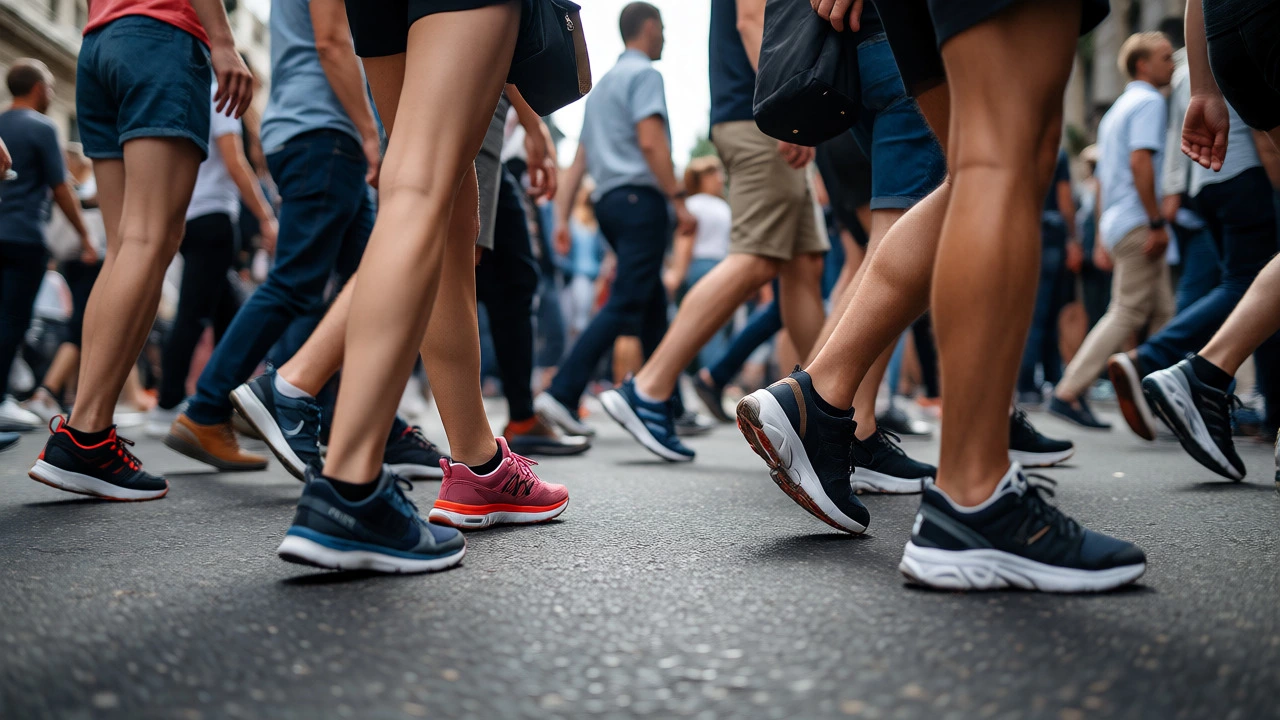
You walk into a room, and you notice shoes. It’s hard not to. But if you looked at the feet of everyone on Earth right now, what would you see? You wouldn’t see a sea of leather oxfords or high heels. You’d see trainers, also known as sneakers, dominating the landscape. They are the most worn shoe type globally, period. This isn’t just a hunch; it’s backed by billions in annual revenue and a cultural shift that started decades ago but has only accelerated.
Why have trainers won? It’s simple: comfort meets utility. We live in an era where dress codes have relaxed, remote work is common, and health consciousness is up. A pair of runners works for the gym, the grocery store, and increasingly, the office. If you’re trying to understand the footwear market or just curious about why your closet is full of rubber-soled lace-ups, this breakdown covers the data, the history, and the specific types of trainers leading the charge.
Key Takeaways
- Global Dominance: Athletic footwear accounts for over 50% of all shoe sales worldwide, far outpacing boots, sandals, and formal wear.
- Cultural Shift: The rise of "athleisure" blurred the line between gym gear and daily attire, making trainers socially acceptable everywhere.
- Top Brands: Nike and Adidas lead the pack, but new challengers like Hoka and On Running are gaining significant market share through specialized comfort tech.
- Versatility Wins: White leather sneakers and neutral running shoes are the most purchased individual styles due to their ability to match any outfit.
The Data Behind the Dominance
Let’s look at the numbers. According to recent reports from NPD Group (now Circana) and Statista, the athletic footwear segment consistently holds the largest slice of the global footwear pie. In 2023 alone, the global athletic footwear market was valued at approximately $140 billion, with projections continuing to climb. Compare that to the formal footwear sector, which has seen stagnant or declining growth in many Western markets.
Why such a gap? It comes down to frequency of use. Most people own one or two pairs of dress shoes that they wear maybe once a month for weddings or interviews. In contrast, the average person wears their trainers five to seven days a week. High rotation means high replacement rates. When you combine high usage with a low barrier to entry (you don’t need a special occasion to wear them), trainers become the default choice for billions of people.
It’s not just about volume; it’s about value perception. Consumers are willing to spend more on trainers because they view them as an investment in health and comfort. A $150 pair of running shoes feels justified when you consider the impact on your knees and back during daily commutes. That same price tag on a loafers often raises eyebrows unless it’s a luxury brand.
From Gym Floor to Fashion Runway: How Trainers Took Over
Trainers weren’t always everyday wear. Back in the mid-20th century, athletic shoes were strictly for sports. You wore canvas plimsolls for tennis or heavy leather boots for hiking. The real shift began in the 1980s and 90s with the rise of hip-hop culture and basketball stars like Michael Jordan. Suddenly, wearing Air Jordans wasn’t just about playing ball; it was a status symbol.
This cultural pivot laid the groundwork for the "athleisure" boom of the 2010s. Yoga pants moved from the studio to the street, and trainers followed suit. Celebrities like Rihanna and Kanye West didn’t just wear sneakers; they designed them, creating hype cycles that made limited-edition releases more valuable than some handbags.
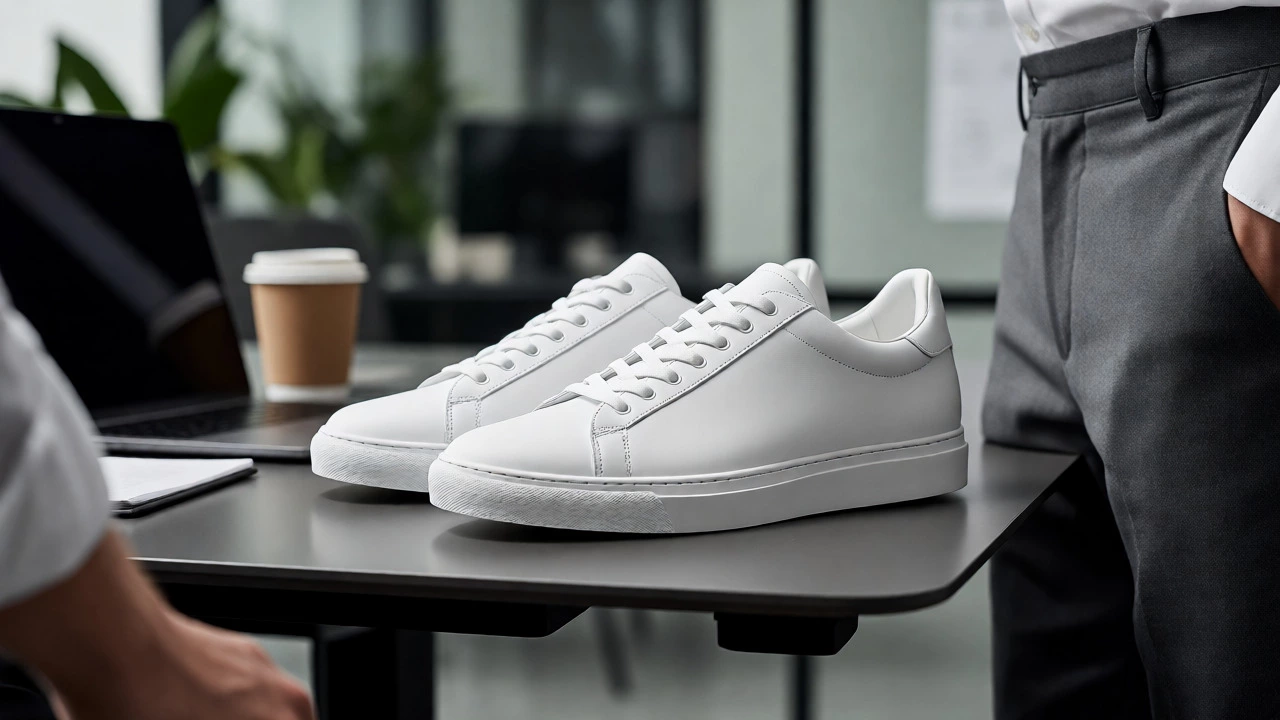
Today, the stigma around casual footwear in professional settings has largely vanished. Tech companies led the way, allowing employees to wear jeans and trainers to client meetings. Now, even law firms and banks have relaxed their dress codes. If you’re wondering whether you can wear white trainers to a semi-formal event, the answer is increasingly yes, provided they are clean and minimalist.
Which Specific Types of Trainers Are Most Popular?
Not all trainers are created equal. While "trainer" is the umbrella term, certain sub-categories dominate sales. Understanding these helps if you’re looking to buy a pair that stays relevant.
| Trainer Type | Primary Use Case | Market Trend Status | Key Feature |
|---|---|---|---|
| Running Shoes | Daily commuting, light exercise, walking | Steady Growth | Maximal cushioning, lightweight foam |
| Lifestyle Sneakers | Fashion, casual work, social outings | High Demand | Retro aesthetics, brand heritage (e.g., Nike Dunk) |
| Walking/Hybrid Shoes | Standing all day, travel, healthcare workers | Rising Fast | Arch support, slip-on convenience |
| Basketball Style | Streetwear, youth fashion | Stable | High-top silhouettes, bold colorways |
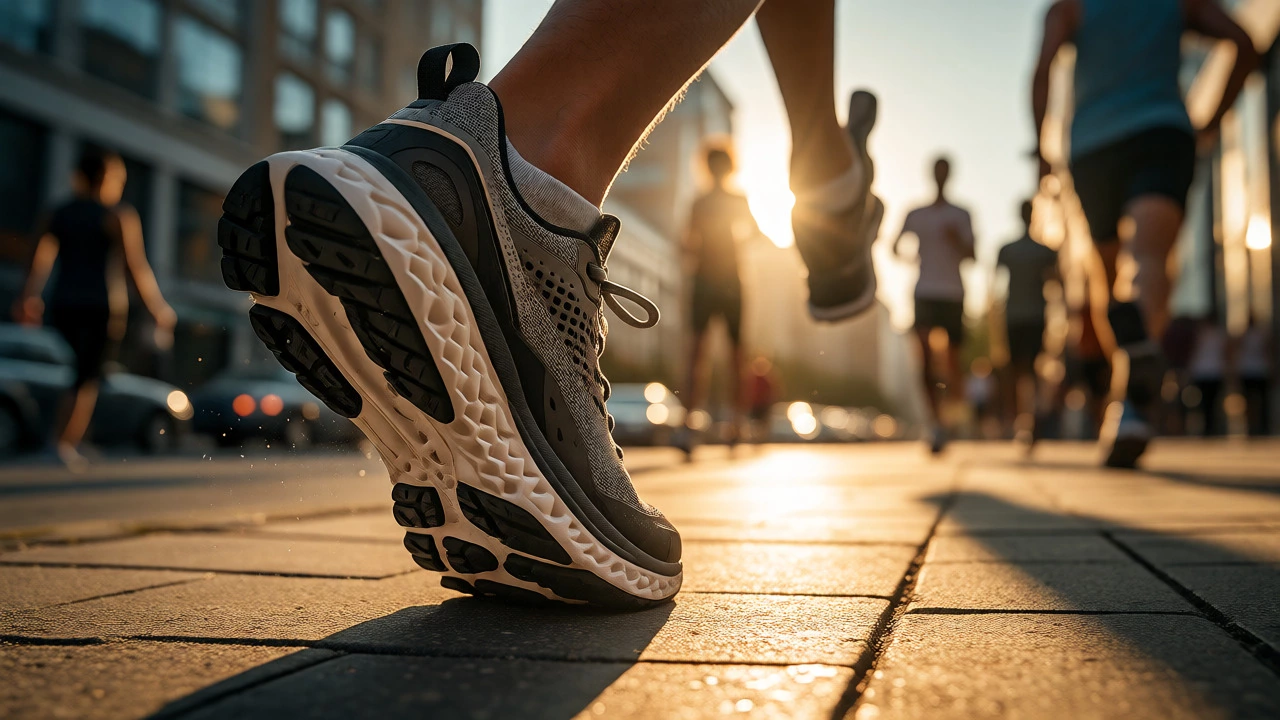
Running Shoes are arguably the most universally worn. Brands like ASICS, Brooks, and New Balance focus on biomechanics. Their popularity stems from genuine comfort. You don’t have to be a marathon runner to appreciate the shock absorption they provide on concrete sidewalks.
Lifestyle Sneakers drive the fashion conversation. Think of the Nike Air Force 1 or the Adidas Stan Smith. These shoes rarely see a track. Instead, they sit in closets waiting to complete an outfit. Their appeal lies in simplicity and brand recognition. A plain white leather sneaker is the denim jeans of footwear-it goes with everything.
A newer entrant is the Hybrid/Walking Shoe. With an aging population and more people working on their feet (nurses, retail staff, teachers), shoes that offer orthopedic-level support in a stylish package are exploding in popularity. Brands like Hoka One One built their empire on this niche before crossing over into mainstream fashion.
Regional Differences in Footwear Choices
While trainers win globally, local preferences tweak the winner slightly. In North America and Europe, the dominance of big-name brands like Nike and Adidas is absolute. Marketing budgets are huge, and brand loyalty runs deep. If you ask someone in London or New York what they’re wearing, there’s a good chance they’ll name the brand.
In parts of Asia, particularly China and India, domestic brands are gaining serious ground. Companies like Li-Ning and Anta offer comparable quality at lower price points, appealing to a growing middle class that values value-for-money over logo prestige. Additionally, in warmer climates across Southeast Asia and Australia, breathable mesh trainers are preferred over heavier leather models due to humidity.
South America shows a strong preference for colorful, expressive designs. Brazilian and Argentine consumers often favor vibrant colorways and unique collaborations. Meanwhile, in Northern Europe, minimalism rules. Scandinavian design influences mean that sleek, monochromatic trainers from brands like Vejas or Common Projects are highly sought after for their understated elegance.
Why Boots and Sandals Lost Ground
If trainers are winning, who’s losing? Formal leather shoes and sandals have seen their market share shrink relative to athletic wear. This isn’t because people stopped needing formal shoes; it’s because they need them less often.
Sandals remain popular in summer, but they lack the versatility of trainers. You can’t easily transition from a beach sandal to a dinner reservation without changing shoes. Trainers bridge that gap. Similarly, boots are seasonal. In Wellington, where I live, we might wear rain boots for half the year, but for the other six months, trainers are the go-to. The inability of boots to compete year-round limits their total ownership numbers compared to all-season trainers.
There’s also the factor of maintenance. Leather dress shoes require polishing, conditioning, and careful storage. Trainers? Throw them in the washing machine (or wipe them down) and go. For busy modern lives, low-maintenance wins every time.
How to Choose Your Next Pair of Trainers
Since trainers are likely your most-worn item, choosing the right pair matters. Don’t just buy based on color. Consider these factors:
- Arch Support: Do you have flat feet or high arches? Running shoes often come in "neutral," "stability," or "motion control" categories. Using the wrong one can cause knee pain.
- Drop Height: This is the difference in height between the heel and the toe. Traditional shoes have a higher drop (8-12mm). Minimalist shoes have a lower drop (0-4mm). If you’re used to heels, jumping to zero-drop might strain your calves.
- Material Breathability: If you live in a hot climate, look for engineered mesh. If you’re in a rainy city like Wellington, water-resistant treatments or Gore-Tex linings are worth the extra cost.
- Sole Durability: Rubber outsoles last longer than EVA foam. If you walk on rough pavement, prioritize thick rubber tread over lightweight foam.
Remember, the "best" trainer is the one you’ll actually wear every day. A beautiful shoe that hurts your feet after ten minutes is useless. Comfort is king in the trainer category.
Are trainers considered formal wear now?
In many industries, yes. Clean, minimalist leather or knit trainers in neutral colors (black, white, grey, navy) are widely accepted in business-casual environments. However, for strict black-tie events or conservative corporate settings, traditional dress shoes are still required.
Which brand sells the most trainers globally?
Nike consistently holds the top spot for global athletic footwear sales, followed closely by Adidas. However, when combining all types of footwear, including casual and formal, the competition tightens, but Nike remains the leader in the specific "trainer" category.
Why are white sneakers so popular?
White sneakers offer maximum versatility. They pair well with almost any color palette and style, from shorts to suits. Their clean aesthetic signals freshness and care, making them a staple in modern wardrobes despite being harder to keep clean.
Do expensive trainers last longer than cheap ones?
Not necessarily. Expensive trainers often use advanced foams that degrade faster under pressure to maintain performance. Cheaper trainers may use durable but less comfortable materials. For longevity, look for solid rubber outsoles and reinforced stitching rather than just a high price tag.
Is it bad to wear trainers for long periods?
Generally, no. Modern trainers are designed for extended wear. However, wearing the same pair every single day without rotation can compress the foam midsole prematurely, reducing support. Rotating between two pairs extends the life of both.