
Summer Dress Suitability Checker
Input the details of your potential summer dress below to calculate its suitability score for warm weather.
Dress Specifications
Instructions:
Fill out the specifications on the left and click "Calculate Suitability" to see how well this dress performs in hot weather.
You’ve probably bought a dress labeled "summer" that felt like wearing a plastic bag in January. Or maybe you wore a heavy linen piece in July and wondered why you were sweating through your shirt by noon. The label on the tag is just marketing. The real definition of a summer dress is a garment designed specifically for high temperatures, characterized by breathable natural fibers, loose silhouettes, and features that manage heat and sunlight lies in its engineering for comfort.
Living in Wellington, where the wind can cut through layers but the sun still beats down hard, I’ve learned that not all light clothes are created equal. A true summer dress isn’t just about looking cute; it’s about thermoregulation. It’s about choosing materials that let your skin breathe, cuts that allow air to circulate, and details that protect you from the elements without trapping heat. If you’re trying to figure out if that new purchase is actually suitable for the season, or if you’re building a capsule wardrobe that won’t leave you miserable in a heatwave, here is what actually defines the category.
Fabric Is the Non-Negotiable Foundation
If the fabric doesn’t breathe, it’s not a summer dress. Period. Synthetic blends like polyester or nylon often trap heat and sweat against your skin, creating a greenhouse effect that feels awful when the temperature climbs above 25°C (77°F). While some modern synthetics have moisture-wicking properties, they rarely match the airflow provided by natural fibers.
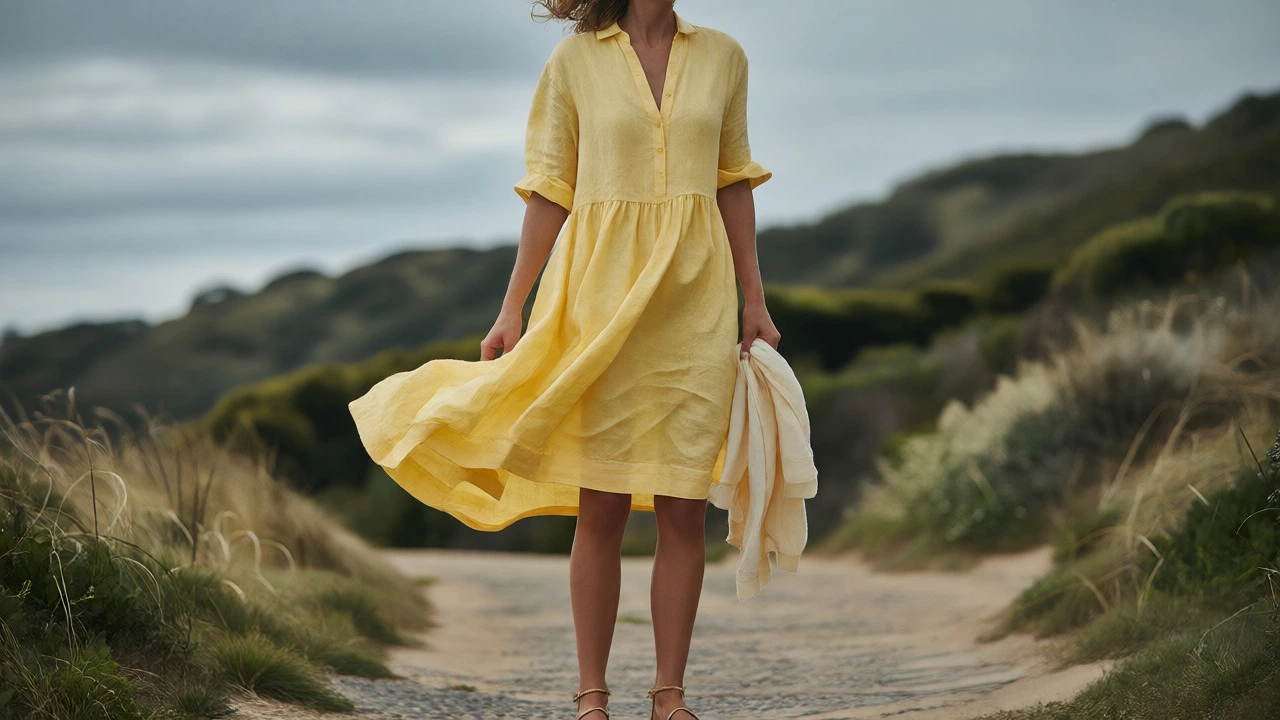
Linen is the gold standard for hot climates due to its hollow fibers which allow maximum airflow and rapid drying. Yes, it wrinkles. That’s part of the charm. But more importantly, it doesn’t cling to sweaty skin. Cotton remains a popular choice for its softness and absorbency, though heavier weaves can retain moisture longer than linen. For a summer dress, look for lightweight cotton poplin or voile rather than thick denim or canvas.
| Fabric Type | Breathability | Moisture Wicking | Best Use Case |
|---|---|---|---|
| Linen | High | Moderate (dries fast) | Extreme heat, casual outings |
| Cotton Poplin | Moderate-High | High (absorbs well) | Daily wear, office settings |
| Rayon/Viscose | Moderate | Low (can feel clammy) | Elegant evening looks |
| Polyester Blend | Low | Variable | Travel (wrinkle resistant) |
Silk is tricky. It’s cool to the touch initially, but it stains easily with sweat and requires delicate care. If you live somewhere humid, silk might feel sticky after an hour. Rayon and viscose are semi-synthetic fibers made from wood pulp. They drape beautifully and feel cool, but they lose strength when wet and don’t dry as quickly as cotton. Choose them for evenings or air-conditioned environments, not for hiking up a hill in midday sun.
The Silhouette Must Allow Airflow
Tight fits restrict movement and block ventilation. When your body heats up, it needs space for air to move between the fabric and your skin. This is why the cut matters as much as the material. A A-line silhouette flares gently from the waist, creating a chimney effect that draws warm air away from the body is one of the most effective shapes for staying cool.
Consider the Shift Dress a straight-cut garment that hangs loosely from the shoulders, ideal for minimizing contact with the torso. It doesn’t hug the hips or bust, allowing breezes to pass underneath. Empire waists, where the seam sits just under the bust, also work well because they leave the midsection free to expand and contract with breathing and movement.
Conversely, avoid tight sheath dresses or bodycon styles unless you’re spending the day in aggressive air conditioning. Even then, you’ll likely regret the lack of ventilation when you step outside. Look for features like side slits, open backs, or off-the-shoulder necklines. These aren’t just aesthetic choices; they are functional vents. An open back allows heat to escape directly from your spine, while short sleeves or sleeveless designs reduce insulation around your arms.
Length and Coverage Balance Sun Protection
There’s a myth that shorter is always cooler. Not necessarily. Exposing too much skin can lead to sunburn and increased radiant heat absorption. A knee-length or midi dress offers a sweet spot: enough coverage to protect your legs from direct UV rays, but enough length freedom to prevent overheating.
Maxi dresses can be surprisingly cool if the fabric is light and the cut is flowy. However, long hems can drag on the ground, picking up dirt and moisture, which adds weight and discomfort. If you choose a maxi, ensure it has a split or slit so you can walk freely without tripping. Mini dresses are great for active days but offer zero protection for your thighs. In strong sunlight, this can make walking barefoot uncomfortable.
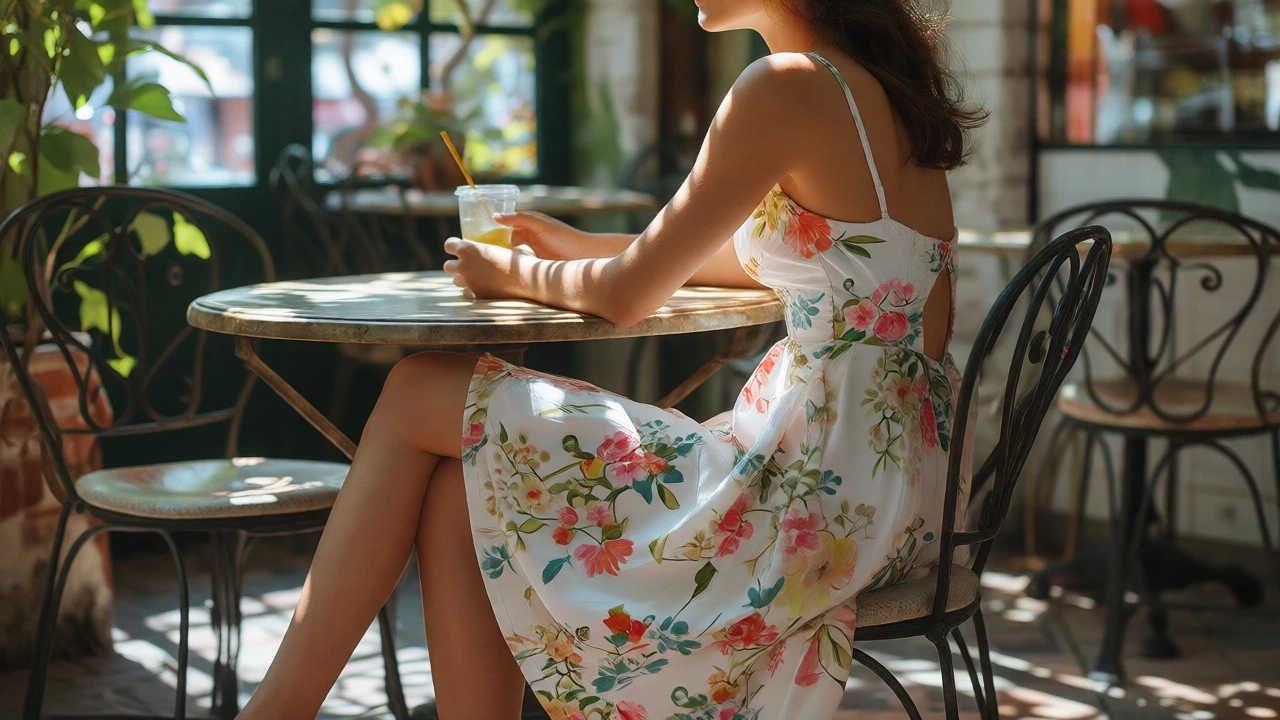
Think about your activity level. If you’re sitting at an outdoor café, a sundress with thin straps is fine. If you’re walking through a city park, you might prefer a slightly higher neckline or wider straps to prevent sunburn on your shoulders. The goal is to balance exposure with protection. You want to stay cool, but you don’t want to fry.
Color and Pattern Impact Heat Absorption
Physics plays a role here. Dark colors absorb more solar radiation, converting light into heat. Black, navy, and deep reds will feel significantly hotter in direct sunlight than white, pastels, or bright prints. White reflects the most light, keeping the fabric itself cooler.
However, black has its advantages. It hides sweat marks better than white or light pastels, which can be crucial in humid conditions. If you must wear dark colors, opt for loose fits to maximize airflow. Patterns can help mask minor wrinkles or stains, making them practical for travel or messy dinners.
Prints also affect perception. Floral patterns evoke a sense of freshness and nature, psychologically cooling you down. Solid neutrals feel clean and crisp. Avoid heavy, dense patterns that visually weigh down the outfit, especially if the fabric itself is already substantial.
Practical Details That Matter
Summer dressing isn’t just about aesthetics; it’s about functionality. Check for these specific features before buying:
- Lining: Does the dress need a slip? Unlined sheer fabrics can become transparent when wet with sweat. A built-in lining or a separate petticoat ensures modesty and prevents the outer fabric from sticking to your skin.
- Pockets: In a world of phone-sized bags, pockets are life-saving. They keep your hands free and distribute weight evenly. Ensure they are deep enough to hold your essentials without bulging awkwardly.
- Closure: Zippers can dig into sweaty backs. Buttons can be fiddly with damp fingers. Elasticated waists or pull-on styles are often more comfortable and forgiving throughout the day as bodies swell slightly in heat.
- Care Instructions: Can you machine wash it? Hand-washing delicate linens every week is tedious. Look for durable fabrics that withstand frequent washing, as summer clothes get dirty faster due to dust, pollen, and sweat.
Also consider versatility. A good summer dress should transition from day to night. Pair a linen shift with sandals and a hat for daytime, then add heels and jewelry for dinner. This reduces the need to pack multiple outfits, which is essential if you’re traveling.
Context Matters: Humidity vs. Dry Heat
Not all summers are the same. What works in Arizona’s dry heat might fail miserably in Singapore’s humidity. In dry climates, evaporative cooling works efficiently-sweat evaporates quickly, taking heat with it. Natural fibers shine here. In humid climates, sweat lingers on the skin because the air is already saturated with moisture. Fabrics that wick moisture away (like certain technical blends or tightly woven cottons) might perform better than highly porous linens that stay damp.
In Wellington, we deal with wind chill even in summer. A light cardigan or denim jacket over a summer dress is often necessary. Choose dresses that layer well without adding bulk. Slip dresses are excellent for this-they slide easily under other garments without bunching.
Finally, trust your instincts. If a dress feels stifling in the fitting room, it will feel worse outside. Bring a mirror and check how it moves. Sit down. Raise your arms. Walk around. If you feel restricted or hot immediately, return it. Your comfort dictates your confidence, and nothing ruins a summer vibe like constant discomfort.
Is polyester ever okay for summer dresses?
Generally, no, unless it is a high-performance technical blend designed for moisture-wicking. Standard polyester traps heat and sweat, leading to discomfort. However, small percentages (under 10%) mixed with cotton or rayon can improve durability and wrinkle resistance without significantly impacting breathability.
How do I stop linen dresses from wrinkling too much?
You can't completely stop linen from wrinkling-it's part of its nature. To minimize it, remove the dress from the dryer while slightly damp and hang it immediately. Steam it with a handheld steamer instead of ironing, which can create shiny patches. Embrace the texture; it signals authenticity and relaxed style.
Are white summer dresses practical?
White reflects sunlight, keeping you cooler, but it shows sweat and dirt easily. Choose white dresses with thicker fabrics or subtle textures to hide imperfections. Always wear nude or seamless underwear to avoid visible lines, and carry a stain pen for quick fixes during meals.
What is the best neckline for a hot summer day?
Open necklines like V-necks, scoop necks, or square necks promote airflow around the chest and neck area. Halter necks and off-the-shoulder styles expose the shoulders, which are major heat release points. Avoid high turtlenecks or mock necks unless the fabric is extremely lightweight and airy.
Can I wear a summer dress to work?
Yes, if the dress adheres to your workplace dress code. Opt for structured cuts like shirt dresses or tailored shifts in solid colors or conservative prints. Pair with closed-toe shoes and a blazer if needed. Avoid overly casual fabrics like distressed denim or beach-style kaftans.