Sundress Qualifier Calculator
Analysis Result
Sundress Score
Score: 0/100
Verdict Details
Please select options above to see results.
You know it when you see it, but can you actually define it? A sundress is a lightweight, casual dress designed for warm weather and sunny days. It’s the uniform of July. It’s what you throw on when the forecast hits 85 degrees and you have zero energy for ironing. But beyond the vibe, there are specific structural and material elements that separate a true sundress from just any light-colored garment.
If you’ve ever stood in front of your closet wondering if that floral midi counts, or if a slip dress is too formal for a backyard BBQ, you’re not alone. The line between "summer attire" and "sundress" can get blurry. Let’s break down exactly what qualifies, so you can build a wardrobe that works for everything from farmers' markets to beach vacations.
The Non-Negotiables: Fabric and Weight
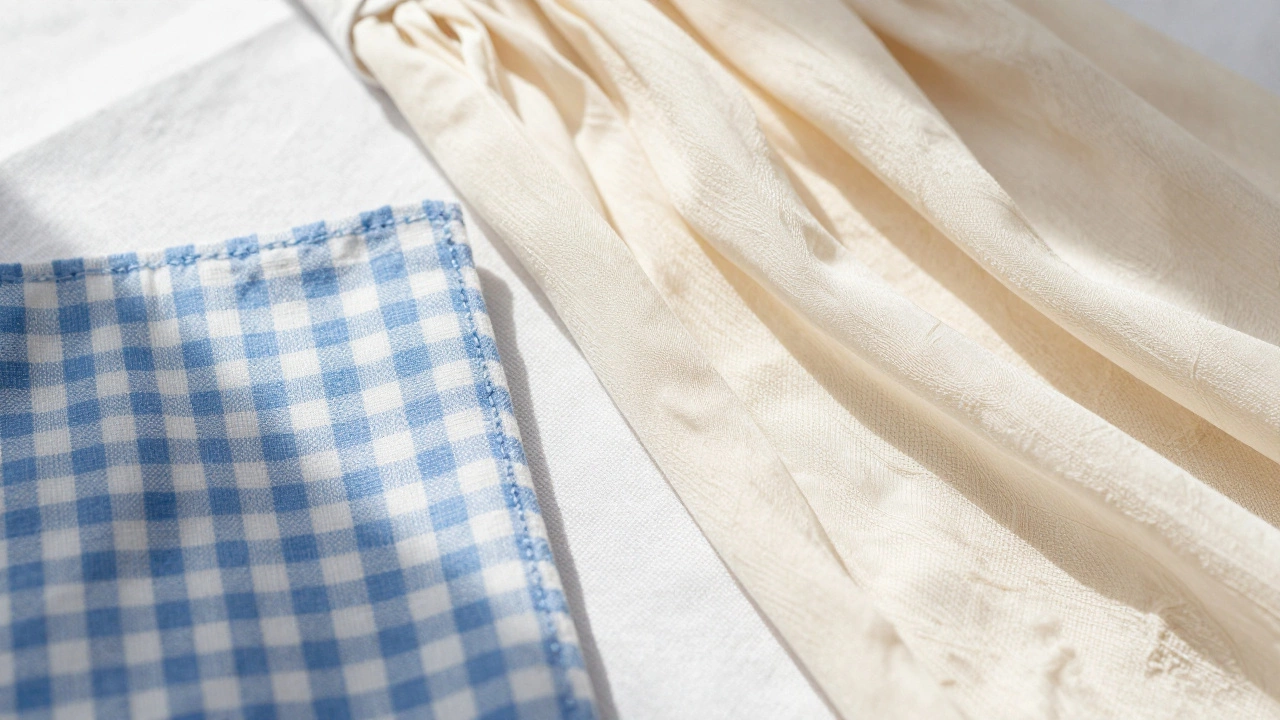
The first thing that disqualifies a dress from being a sundress is weight. If it feels heavy on your skin, it’s out. A genuine sundress relies on breathable, air-permeable textiles. You aren’t looking for structure; you’re looking for airflow.
- Cotton: The gold standard. Specifically, lightweight weaves like poplin, lawn, or chambray. These fabrics absorb sweat and let heat escape.
- Linen: Imperfect but essential. Linen wrinkles within seconds of sitting down, but it offers unmatched breathability. A linen blend (mixed with cotton or rayon) is often more practical for daily wear.
- Rayon and Viscose: These semi-synthetic fibers mimic the drape of silk but cost less. They flow beautifully over the body, making them ideal for maxi-length sundresses.
- Chiffon: Often used as an overlay or for sheer sleeves. Pure chiffon sundresses exist, but they require delicate handling.
Avoid polyester blends unless they are specifically engineered for moisture-wicking. Standard polyester traps heat, which defeats the entire purpose of the garment. If you touch the fabric and it feels slick or synthetic-heavy, it’s likely not a true sundress material.
Silhouette and Cut: Freedom of Movement
Structure is the enemy of the sundress. While a cocktail dress might feature boning, padding, or tight corsetry, a sundress prioritizes ease. The cut should allow for unrestricted movement because, let’s be honest, you’ll probably be walking on sand, climbing into a car seat, or reaching for a drink at a crowded bar.
Common qualifying silhouettes include:
- The Shift Dress: Straight up and down, no waist definition required. It floats around the body.
- The Wrap Dress: Adjustable fit, flattering for most body types, and easy to put on without zippers.
- The Slip Dress: Minimalist, often with spaghetti straps. It leans towards evening but qualifies as a sundress if the fabric is thin and the vibe is relaxed.
- The Shirt Dress: Button-down front, collar, and pockets. This bridges the gap between office wear and weekend casual.
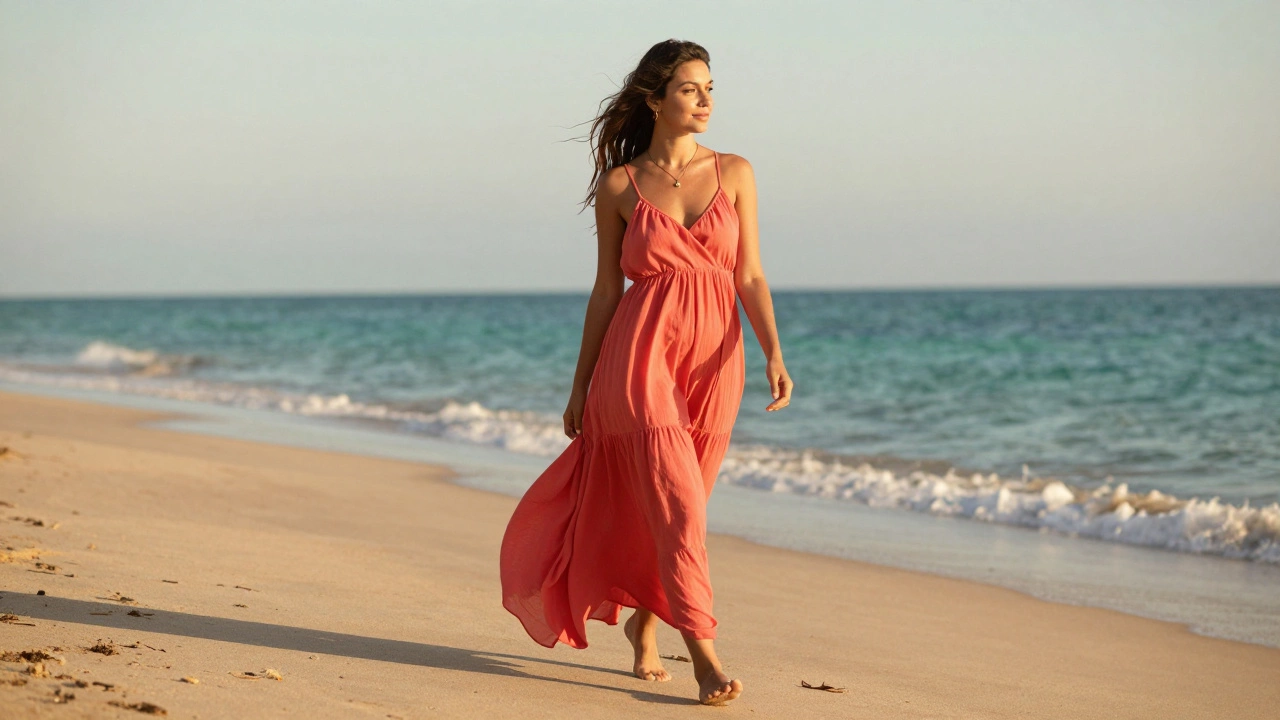
- The Maxi: Floor-length but never stiff. It must sway with your steps.
Notice a pattern? None of these require complex fastening mechanisms. Zippers are rare. Hooks are uncommon. Elastic waists, drawstrings, and pull-on designs dominate the category.
Straps and Necklines: Sun Exposure by Design
The name says it all: sun. A sundress is designed to expose skin to sunlight. This doesn’t mean you need to be topless, but coverage should be minimal compared to other dress categories.
Spaghetti straps are the most iconic feature. They’re thin, barely there, and perfect for layering with a denim jacket if the AC gets too strong. Other qualifying strap styles include:
- Racerback: Offers slightly more support while keeping the back exposed.
- Halter Neck: Ties behind the neck, leaving shoulders bare. Great for supporting bustier frames without bulky undergarments.
- Off-the-Shoulder: Shows off the collarbone and upper arms. Requires a snug fit to stay in place.
- One-Shoulder: Asymmetrical and trendy. Works well with structured fabrics like cotton twill.
High necklines don’t automatically disqualify a dress, but they shift the balance. If a dress has a high neck, it usually needs to compensate with shorter length or sheer panels to maintain the "sundress" identity. Long sleeves are acceptable only if the fabric is ultra-thin and loose-fitting.
Length Matters: Mini, Midi, or Maxi?
There is no single correct length for a sundress. All three major lengths qualify, provided they follow the rules of fabric and cut discussed above.
| Length | Best For | Fabric Recommendation |
|---|---|---|
| Mini (Above Knee) | Hot days, active movement, youthful style | Stiffer cottons, denim, jersey |
| Midi (Below Knee) | Versatility, brunches, travel | Flowing rayon, linen blends |
| Maxi (Floor-Length) | Beach cover-ups, bohemian looks, evening events | Lightweight chiffon, viscose, silk blends |
Mini sundresses offer maximum ventilation. Midi sundresses provide modesty without sacrificing comfort. Maxi sundresses create drama and flow. The key is ensuring the hemline doesn’t drag in dirt or water, which ruins the carefree aesthetic.
Patterns and Colors: The Visual Language
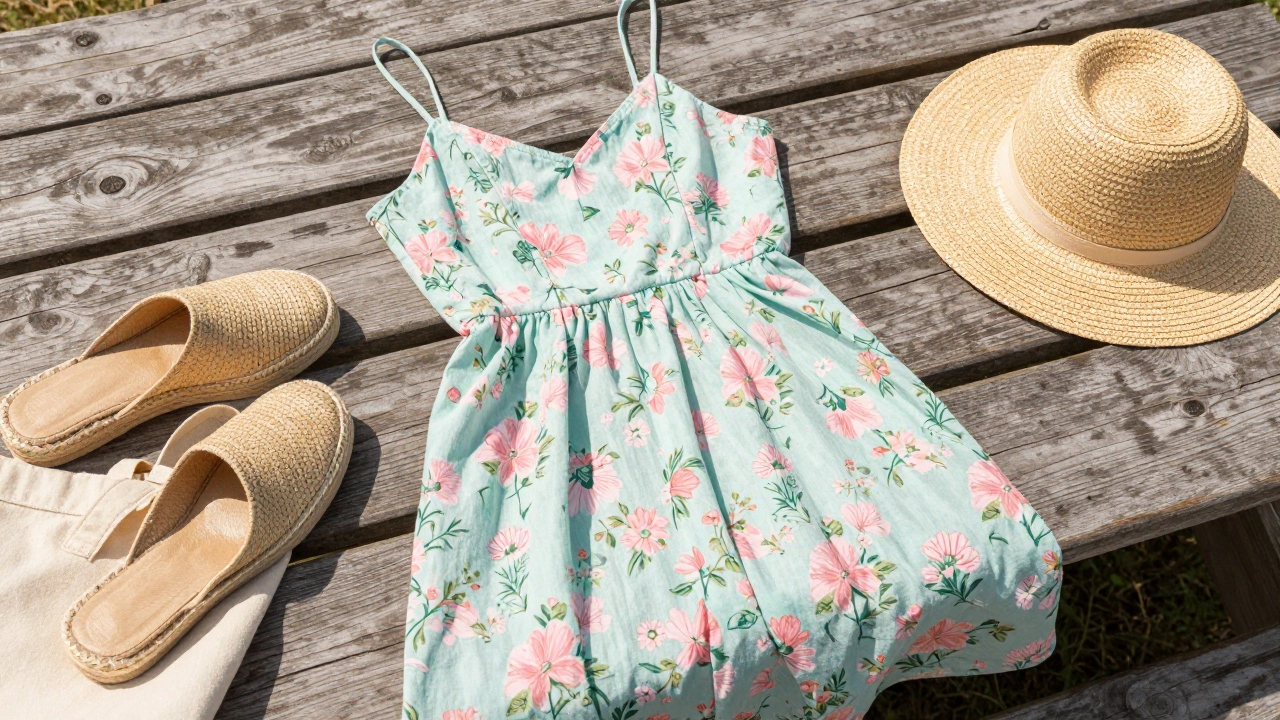
While solid colors absolutely qualify, sundresses have a strong cultural association with certain patterns. Floral prints are the undisputed champions here. Think small ditsy florals for a feminine look, or large tropical blooms for a vacation vibe.
Other qualifying patterns include:
- Gingham: Checkered patterns in red/white or blue/white. Feels nostalgic and crisp.
- Stripes: Nautical stripes work well for coastal settings. Vertical stripes can elongate the frame.
- Tie-Dye: Casual, artistic, and very relaxed. Best paired with simple accessories.
- Geometric Prints: Modern and clean. Good for urban environments.
Colors tend to lean towards pastels (pink, mint, lavender) or brights (coral, turquoise, yellow). Dark neutrals like black or navy can work, especially in linen, but they absorb more heat. Lighter colors reflect sunlight, keeping you cooler-a functional advantage worth considering.
What Does NOT Qualify?
To truly understand what a sundress is, you need to know what it isn’t. Here are common garments that people mistake for sundresses:
Sheath Dresses: These are tailored, fitted, and often made from heavier fabrics like wool crepe or thick polyester. They’re meant for offices or formal events, not picnics.
Cocktail Dresses: Even if they’re short and sleeveless, cocktail dresses usually feature embellishments like sequins, beads, or lace. They demand attention and effort, whereas sundresses are supposed to be effortless.
Evening Gowns: Obvious, but worth mentioning. Satin, velvet, and heavy draping belong in ballrooms, not barbecues.
Jumpsuits: Sometimes confused due to similar fabrics, but jumpsuits are one-piece pants-and-top combos. They lack the skirt element entirely.
Styling the Sundress: From Day to Night
One reason the sundress endures is its versatility. You can dress it up or down depending on your accessories and footwear.
For a casual daytime look, pair your sundress with flat sandals, espadrilles, or even clean white sneakers. Add a straw hat and a canvas tote bag. Keep jewelry minimal-hoop earrings and a delicate necklace suffice.
To transition to evening, swap flats for block heels or strappy sandals. Add a leather belt to define the waist if the dress is loose. Swap the tote for a clutch or crossbody bag. Layer a denim jacket or a lightweight cardigan if the temperature drops.
Hair and makeup also play a role. Loose waves or a messy bun complement the relaxed nature of the dress. Heavy makeup clashes with the fresh-faced aesthetic sundresses promote.
Care and Maintenance
Sundresses take a beating. Sun, saltwater, chlorine, and frequent washing can degrade them quickly. To make them last:
- Wash Cold: Hot water shrinks cotton and damages elastic fibers.
- Air Dry: Avoid the dryer whenever possible. Heat weakens fibers and causes fading. Hang dry in shade to prevent color loss.
- Spot Clean: Small stains don’t always require a full wash. Spot cleaning preserves the fabric’s integrity.
- Store Properly: Fold rather than hang delicate straps to avoid stretching. Use padded hangers for heavier fabrics.
Investing in quality construction matters. Look for reinforced seams, sturdy buttons, and consistent stitching. Cheap sundresses may fall apart after one season, while well-made ones can last for years.
Can a sundress have long sleeves?
Yes, but the fabric must be lightweight and loose-fitting. Long-sleeved sundresses are great for sun protection while maintaining breathability. Look for materials like thin cotton, linen, or chiffon. Avoid thick knits or structured fabrics.
Is a slip dress considered a sundress?
It depends on the context. A minimalist slip dress made from thin fabric can function as a sundress, especially for casual outings. However, if it’s made from satin or features intricate detailing, it leans more towards evening wear. Pair it with casual accessories to keep the sundress vibe.
What fabric is best for a hot climate?
Linen is the top choice for extreme heat due to its superior breathability. Cotton is a close second and easier to care for. Rayon and viscose offer good airflow but may cling when sweaty. Avoid synthetics like polyester unless they are specifically designed for moisture management.
How do I choose the right sundress length?
Consider your height and the occasion. Mini dresses suit petite frames and active settings. Midi lengths are universally flattering and versatile. Maxi dresses work well for taller individuals or those seeking a bohemian look. Always ensure the hem clears the ground to avoid tripping or dragging dirt.
Can I wear a sundress to a wedding?
Yes, if the dress code is casual or semi-formal. Choose a sophisticated fabric like linen or high-quality cotton. Opt for elegant colors and avoid overly casual patterns like tie-dye. Pair with refined accessories and heels to elevate the look. Never wear white to avoid clashing with the bride.