Jacket Evolution Timeline
Explore how the jacket evolved from draped cloaks to high-tech performance wear. Tap any era on the timeline to see its key developments and why it mattered.
Choose a point on the timeline
Click or tap any marker above to learn about that era's contribution to the modern jacket.
Grab a leather biker jacket or a puffy winter coat. Now imagine life without them. It’s hard, right? But for most of human history, we didn’t have jackets is a garment worn over other clothing to provide warmth, protection, or style. We had cloaks, capes, and tunics. The specific cut and structure we recognize today as a "jacket" is actually a relatively recent invention in fashion terms.
So, when did jackets really exist? The short answer is: they evolved. There isn't one single day where someone invented the jacket. Instead, it’s a story of military needs, industrial changes, and shifting social norms that turned simple protective gear into the wardrobe staple we know today. Let’s trace that line from ancient times to your closet.
The Precursors: Cloaks and Tunics Before the Cut
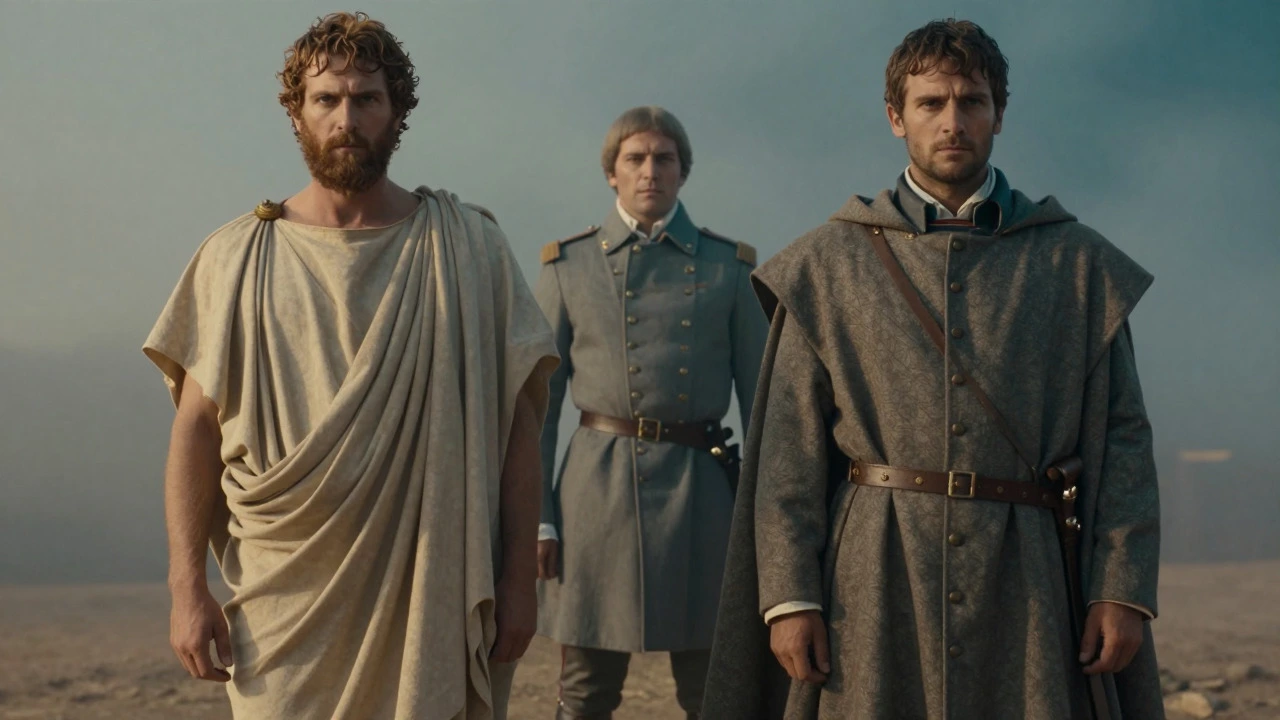
Before jackets, humans relied on draping fabric. In ancient Rome and Greece, men wore the toga and women wore the stola. These were large pieces of cloth wrapped around the body. They offered modesty and some warmth but lacked structure. You couldn’t run fast in a toga, and you definitely couldn’t work a heavy machine in one.
In medieval Europe, knights and nobles wore surcoats or houppelandes. These were loose-fitting outer garments, often long and flowing. They served as armor covers or status symbols. However, these weren’t jackets because they didn’t fit tightly to the torso. They hung loosely, allowing movement but offering little aerodynamic efficiency or precise layering. The key difference here is the lack of a tailored fit. If it hangs down past your hips without being cinched at the waist, it’s likely a robe or a cloak, not a jacket.
The Military Origin: When Structure Met Utility
The real turning point happened in the 16th and 17th centuries. As European armies grew larger and more professional, soldiers needed clothing that allowed them to move, shoot, and ride horses. Loose robes got in the way. Enter the coat (which was the ancestor of the modern jacket).
By the mid-1600s, the English and French militaries began standardizing uniforms. These early coats were shorter than previous ceremonial robes, ending around the hip or thigh. This length change was crucial. It allowed riders to mount horses easily and soldiers to maneuver in tight spaces. The introduction of buttons, which became widely available due to industrial manufacturing improvements, allowed these coats to be closed securely. This created the silhouette we start to recognize: a fitted upper body with sleeves designed for arm movement.
This era saw the birth of the frock coat, which was longer, and the sack coat, which was looser and shorter. The sack coat, popular among working-class men in the 19th century, laid the groundwork for the casual jackets we wear today. It was practical, durable, and easy to clean-features that mattered more than elegance for laborers and farmers.
The 20th Century: Diversification and Style
If the 1800s gave us the basic shape, the 1900s gave us the variety. The 20th century exploded with new types of jackets, each driven by specific cultural or technological shifts.
- The Trench Coat: Developed during World War I, this waterproof cotton gabardine coat was designed for officers in muddy trenches. Its belt, epaulets, and double-breasted front became iconic civilian fashion items after the war.
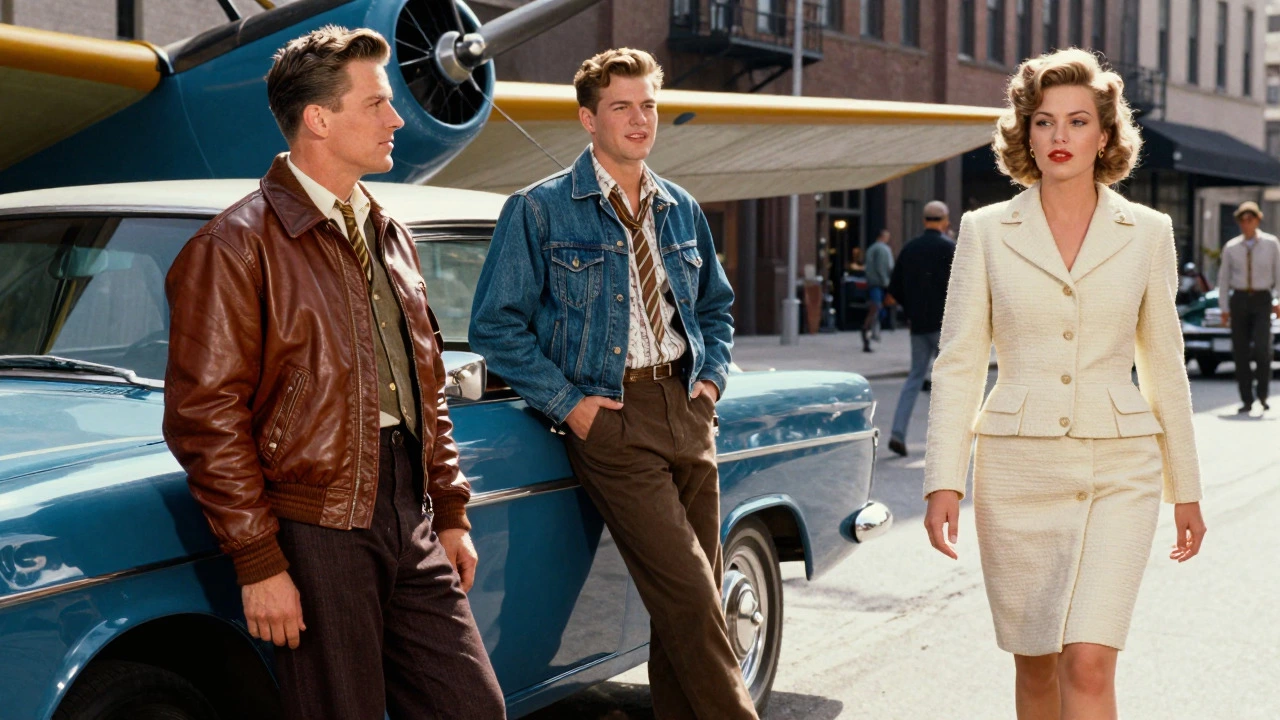
- The Bomber Jacket: Born in the 1930s for aviators, the bomber jacket is a short, close-fitting jacket originally made for pilots to stay warm in unheated cockpits. Made from leather or nylon, it featured ribbed cuffs and collars to keep out cold air. After WWII, it transitioned from flight gear to streetwear, symbolizing rebellion and youth culture.
- The Denim Jacket: Levi’s introduced the denim trucker jacket in the late 19th century as workwear for cowboys and miners. By the 1950s, thanks to Hollywood stars like James Dean, it became a symbol of teenage rebellion. Today, it’s a timeless classic found in almost every closet.
- The Windbreaker: With the rise of synthetic fabrics like nylon in the mid-20th century, lightweight, wind-resistant jackets emerged. These were lighter than wool coats and more functional for sports and outdoor activities.
This period also saw the separation of gendered styles. While men’s jackets remained structured and tailored, women’s fashion experimented with silhouettes. The Chanel suit of the 1920s, for example, featured a short, boxy jacket that liberated women from restrictive corsets and long gowns. This shift proved that jackets could be both empowering and stylish for all genders.
Modern Era: Function Meets Fashion
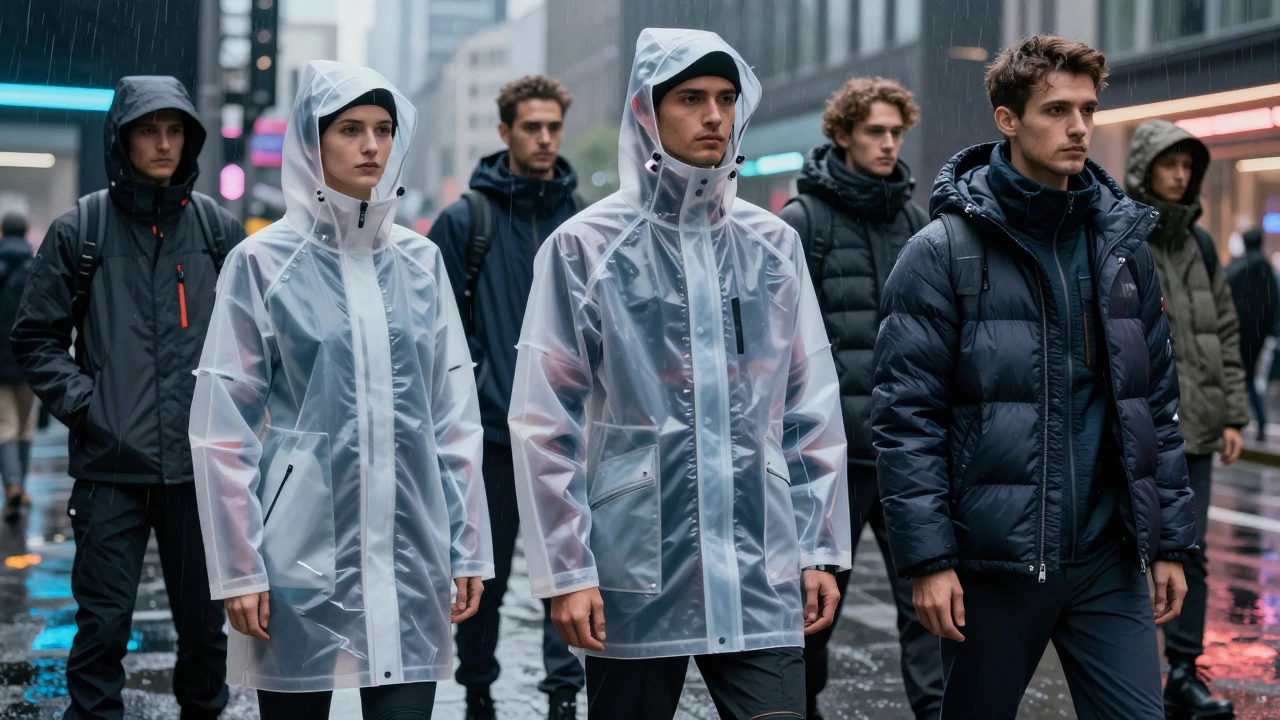
Today, jackets are everywhere. From high-tech performance wear to vintage-inspired fashion pieces, the category has never been broader. Modern materials science has changed what a jacket can do. GORE-TEX membranes allow rain shells to be breathable yet waterproof. Down insulation provides extreme warmth without bulk. Smart fabrics now incorporate heating elements or moisture-wicking properties.
Culturally, jackets remain powerful symbols. The leather jacket still screams rock-and-roll attitude. The blazer signifies professionalism. The parka represents practicality in harsh climates. But beyond symbolism, the jacket has become a modular piece of dressing. Layering is a key trend, where jackets are used not just for warmth but to create visual interest and adjust to changing temperatures throughout the day.
| Period | Key Development | Significance |
|---|---|---|
| Ancient/Medieval | Cloaks and Tunics | Draped fabric; no structural fit | 17th Century | Military Coats | Shorter length; button closures; standardized cuts | 19th Century | Sack Coat & Workwear | Looser fit; durable materials; mass production | Early 20th Century | Trench Coat & Blazer | Waterproof fabrics; formal-casual crossover | Mid-20th Century | Bomber & Denim Jackets | Synthetic fabrics; youth culture icons | 21st Century | Performance Wear | Smart fabrics; sustainability focus; modular design |
Why the Distinction Matters
You might wonder why we distinguish between a "coat" and a "jacket." Historically, the line was blurry. Generally, if the garment ends above the hip, it’s a jacket. If it extends below the hip, it’s a coat. However, this rule has softened. Longline jackets blur the lines, and short coats (like cropped trench coats) challenge the definition. But functionally, jackets are designed for upper-body coverage and ease of movement, while coats offer full-torso protection against the elements. Understanding this history helps you appreciate why certain cuts feel "right" for specific activities. A fitted motorcycle jacket feels different from a bulky parka because their designs solve different problems born in different eras.
Frequently Asked Questions
What is the oldest known jacket?
There is no single "oldest jacket" because the garment evolved gradually. However, archaeological finds show that fitted, sleeveless or short-sleeved outer garments existed in ancient civilizations like Egypt and Rome. The closest ancestor to the modern jacket is the 17th-century military coat, which introduced the tailored fit and button closure.
Are coats and jackets the same thing?
Not exactly. Traditionally, jackets end at the hip or waist, while coats extend below the hip. However, modern fashion blurs this line. Functionally, jackets are often lighter and more focused on upper-body mobility, whereas coats provide more comprehensive weather protection.
Who invented the bomber jacket?
The bomber jacket was developed in the 1930s by the U.S. Army Air Corps for its pilots. It wasn't invented by a single person but rather engineered by manufacturers like Avirex and later Alpha Industries to meet specific military requirements for warmth and durability in unheated aircraft.
Why did jackets become popular in the 20th century?
Several factors drove jacket popularity: the rise of automobile and aviation travel requiring protective gear, the growth of youth subcultures seeking distinct identities (like rockabilly or punk), and advances in textile technology that made lightweight, durable fabrics affordable for mass markets.
How has technology changed jacket design?
Technology has revolutionized jackets through materials innovation. Synthetic fabrics like nylon and polyester replaced heavy wool, making jackets lighter and water-resistant. Membranes like Gore-Tex added breathability, and insulated fills like down and synthetic fleece improved warmth-to-weight ratios. Recently, smart textiles have introduced features like heated panels and UV protection.