Summer Outfit Heat Stress Calculator
Configure Your Outfit
Select your outfit details and click "Check Comfort Level" to analyze your heat risk.
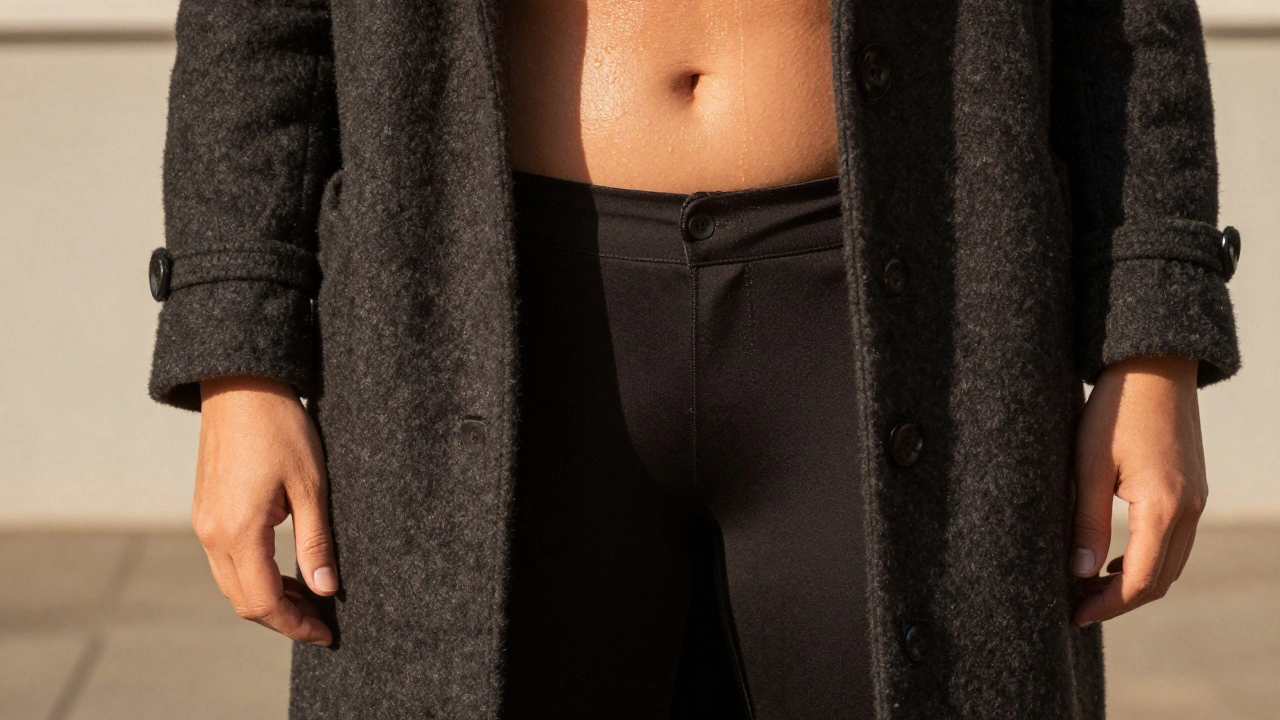
Imagine stepping out into the midday sun, only to feel trapped inside a heavy coat or suffocating under layers of thick cotton. It’s a scenario many of us have faced when we forget that summer demands a different approach to dressing. The question isn’t just about what looks good; it’s about what keeps you comfortable when temperatures soar. Knowing which clothes to avoid can make the difference between a pleasant day and an unbearable one.
In this guide, we’ll explore the types of clothing that are best left in your closet during the warmer months. We’ll look at fabrics, styles, and colors that trap heat, cause discomfort, and potentially harm your skin. By understanding these pitfalls, you can build a summer wardrobe that not only looks great but also helps you stay cool and healthy.
Fabrics That Trap Heat
When it comes to summer clothing, the material matters more than the style. Some fabrics are designed to keep you warm, making them unsuitable for hot weather. Synthetic materials like Polyester is a synthetic fabric known for its durability and moisture-wicking properties, but it often traps heat and sweat against the skin. Polyester is a common culprit. While it’s lightweight and dries quickly, it doesn’t breathe well. This means sweat stays on your skin instead of evaporating, leaving you feeling sticky and uncomfortable.
Nylon is another fabric to avoid. Like polyester, nylon is synthetic and tends to hold onto heat. It’s often used in activewear because it’s stretchy and durable, but in high temperatures, it can feel like wearing a plastic bag. If you’re looking for comfort, steer clear of these materials unless they’re blended with natural fibers that improve breathability.
Wool, especially heavier varieties like merino or cashmere, is also a poor choice for summer. Wool is excellent for insulation, which is why it’s so popular in winter. However, even lightweight wool can be too warm for hot days. Opt for natural fibers like linen, cotton, or bamboo, which allow air to circulate and help regulate your body temperature.
Styles That Restrict Airflow
Beyond fabric, the cut and fit of your clothing play a crucial role in how cool you stay. Tight-fitting clothes restrict airflow and trap heat against your body. Skinny jeans, for example, are a summer no-no. They cover your legs completely and don’t allow any ventilation. Instead, choose loose-fitting pants, shorts, or skirts that let air flow freely.
Long sleeves and high necklines can also make you overheat. While they might protect you from the sun, they do so at the cost of comfort. If you need sun protection, opt for lightweight, long-sleeved shirts made from breathable fabrics. Look for styles with vents or mesh panels that enhance airflow. Similarly, avoid turtlenecks or high-collared tops that wrap tightly around your neck, as this area is sensitive to heat.
Layering is another strategy to skip in summer. In colder months, layering helps trap warmth, but in summer, it does the opposite. Each additional layer adds insulation, making it harder for your body to cool down. Stick to single-layer outfits whenever possible. If you’re moving between air-conditioned indoors and hot outdoors, choose a light cardigan or jacket that you can easily remove.
Colors That Absorb Sunlight
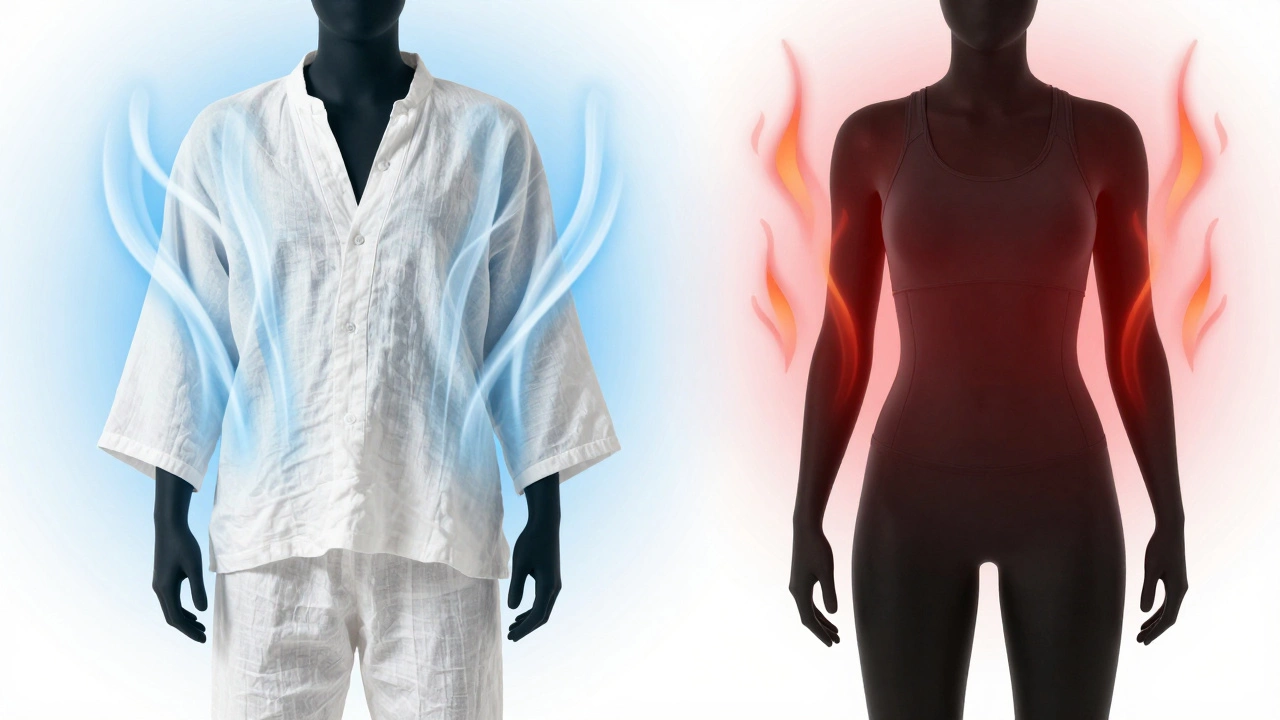
The color of your clothing affects how much heat you absorb. Dark colors, such as black, navy, and dark brown, absorb sunlight and convert it into heat. This means wearing a black shirt on a sunny day will make you feel significantly warmer than wearing a white one. Light colors reflect sunlight, keeping you cooler.
If you love dark colors, consider wearing them in the evening or in shaded areas. During the day, stick to whites, pastels, and other light shades. These colors not only keep you cool but also tend to show less dirt and sweat, which can be a bonus in humid conditions.
Footwear That Overheats Your Feet
Your feet can get surprisingly hot in summer, especially if you’re wearing the wrong shoes. Closed-toe shoes made from non-breathable materials like leather or synthetic rubber can turn your feet into sweatboxes. This not only feels unpleasant but can also lead to fungal infections or blisters.
Sandals, flip-flops, and open-toe shoes are better choices for summer. They allow air to circulate around your feet, keeping them cool and dry. If you prefer closed-toe shoes, look for those made from canvas or mesh, which offer some breathability. Avoid heavy boots or sneakers with thick soles, as they trap heat and add unnecessary weight.
Accessories That Add Bulk
Accessories can complete an outfit, but they can also add bulk and heat. Heavy scarves, thick belts, and bulky jewelry can make you feel weighed down and overheated. Scarves, in particular, can trap heat around your neck and shoulders, making you sweat more.
If you want to accessorize, choose lightweight options. A thin silk scarf can provide sun protection without adding heat. Minimalist jewelry, such as small earrings or a delicate necklace, won’t weigh you down. Hats are essential for sun protection, but choose wide-brimmed hats made from straw or lightweight fabric rather than thick, insulated caps.
Why Breathability Matters
Breathability is the key to staying cool in summer. It refers to a fabric’s ability to allow air and moisture to pass through. When you sweat, your body tries to cool itself by evaporating that moisture. If your clothing doesn’t breathe, the sweat stays on your skin, preventing evaporation and making you feel hotter.
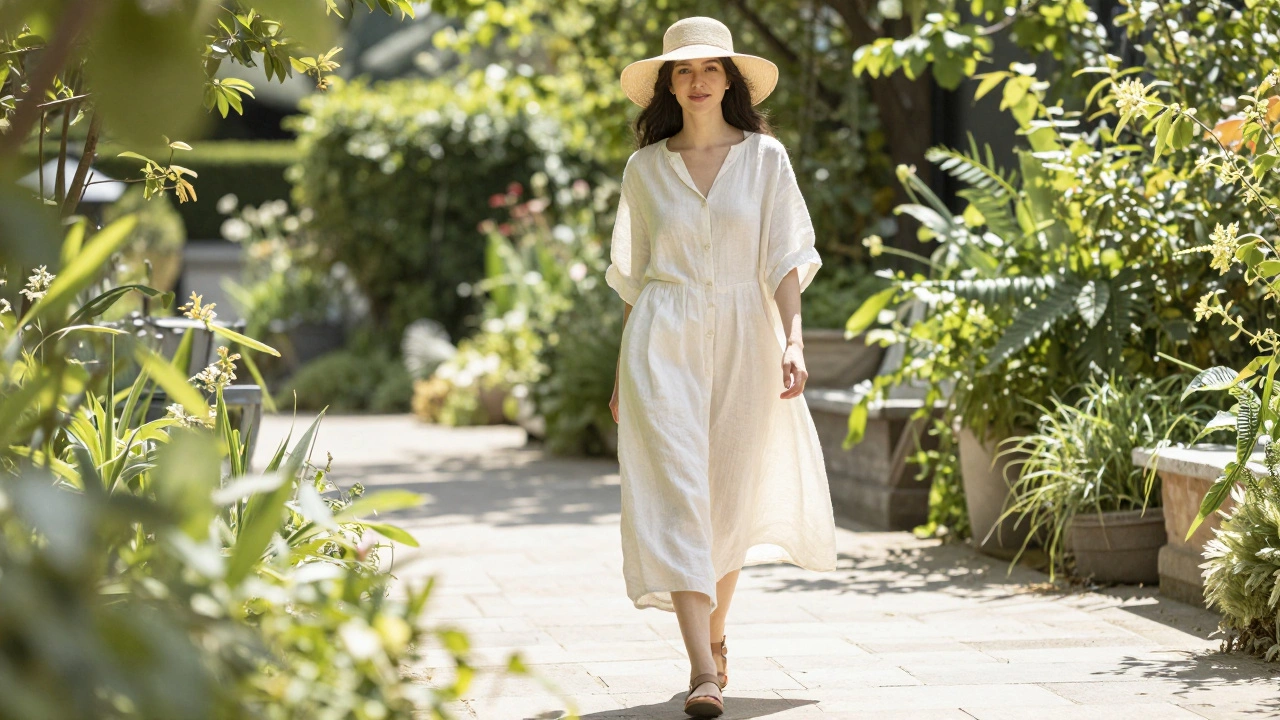
Natural fibers like linen and cotton are highly breathable. Linen, in particular, is renowned for its cooling properties. It’s made from flax plants and has a loose weave that allows maximum airflow. Cotton is also a good choice, especially in lighter weights. Bamboo fabric is another option, known for its softness and breathability.
| Fabric Type | Breathability | Moisture Wicking | Heat Retention | Best For |
|---|---|---|---|---|
| Linen | High | Moderate | Low | Hot, humid days |
| Cotton | High | Moderate | Low | General summer wear |
| Bamboo | High | High | Low | Active wear, sensitive skin |
| Polyester | Low | High | High | Avoid in extreme heat |
| Nylon | Low | High | High | Avoid in extreme heat |
| Wool (Heavy) | Low | Moderate | High | Avoid in summer |
Tips for Choosing Summer Clothing
Choosing the right summer clothing doesn’t have to be complicated. Here are some practical tips to help you stay cool:
- Prioritize Natural Fibers: Stick to linen, cotton, and bamboo for most of your summer wardrobe.
- Opt for Loose Fits: Choose clothes that hang loosely on your body to allow airflow.
- Select Light Colors: White, beige, and pastel shades reflect sunlight and keep you cooler.
- Check the Label: Look for terms like “breathable,” “moisture-wicking,” and “lightweight” on clothing tags.
- Avoid Synthetics: Minimize polyester and nylon unless they’re blended with natural fibers.
- Invest in Quality: Higher-quality natural fabrics often last longer and perform better in heat.
Common Mistakes to Avoid
Even with the best intentions, it’s easy to make mistakes when dressing for summer. One common error is assuming that all “summer” labeled clothes are suitable. Retailers sometimes market synthetic blends as summer-friendly, but they may still trap heat. Always check the fabric composition before buying.
Another mistake is ignoring the importance of fit. Even breathable fabrics can become uncomfortable if they’re too tight. Make sure your clothes have enough room to move and allow air to circulate. Try on items before purchasing to ensure they meet your comfort standards.
Lastly, don’t overlook footwear. Many people focus on their tops and bottoms but neglect their shoes. Remember that your feet need ventilation too. Invest in a few pairs of breathable sandals or open-toe shoes to complement your summer outfits.
Is denim okay to wear in summer?
Denim can be worn in summer, but it depends on the weight and fit. Lightweight, raw denim or chambray is more breathable than heavy, dark denim. Opt for loose-fitting jeans or shorts rather than skinny styles. Pair them with breathable tops to balance the outfit.
Can I wear polyester if it's labeled 'moisture-wicking'?
Moisture-wicking polyester can help manage sweat, but it may still trap heat. If you choose to wear it, look for blends with natural fibers like cotton or linen. Ensure the garment is loose-fitting to allow airflow. For extreme heat, natural fibers are generally more comfortable.
What should I wear if I work in an air-conditioned office?
In air-conditioned environments, you can wear slightly heavier fabrics like cotton blends. Consider bringing a light cardigan or jacket for indoor comfort. When outside, switch to breathable, lightweight clothing. Layering allows you to adapt to changing temperatures throughout the day.
Are there any benefits to wearing dark colors in summer?
Dark colors absorb more heat, making them less ideal for hot days. However, they can be stylish and hide stains better. If you prefer dark colors, wear them in the evening or in shaded areas. Choose loose fits and breathable fabrics to mitigate heat absorption.
How do I care for my summer clothes to maintain breathability?
Follow care instructions on labels to preserve fabric quality. Wash natural fibers like linen and cotton in cold water to prevent shrinkage. Avoid using fabric softeners, as they can clog fibers and reduce breathability. Air-dry when possible to maintain the integrity of the material.