Summer Jacket Comfort Calculator
Configure your ideal summer jacket below to see its "Coolness Score" based on physics and fabric science.
Coolness Score
Analysis Breakdown
It is mid-July here in Wellington. The wind is howling off the harbor, and you are likely reaching for a coat. But if you are reading this while sweating through a humid afternoon in Sydney, Los Angeles, or Dubai, your problem is different. You need coverage from the sun, but you dread the feeling of wearing an oven mitt on your torso. You want to know: which color jacket keeps you coolest?
The short answer is not just "white." While white reflects light, the story of staying cool involves physics, fabric technology, and fit. Wearing a tight, synthetic white jacket can make you hotter than a loose, dark linen one. Let's break down the science so you don't have to guess.
The Physics of Color: Reflection vs. Radiation
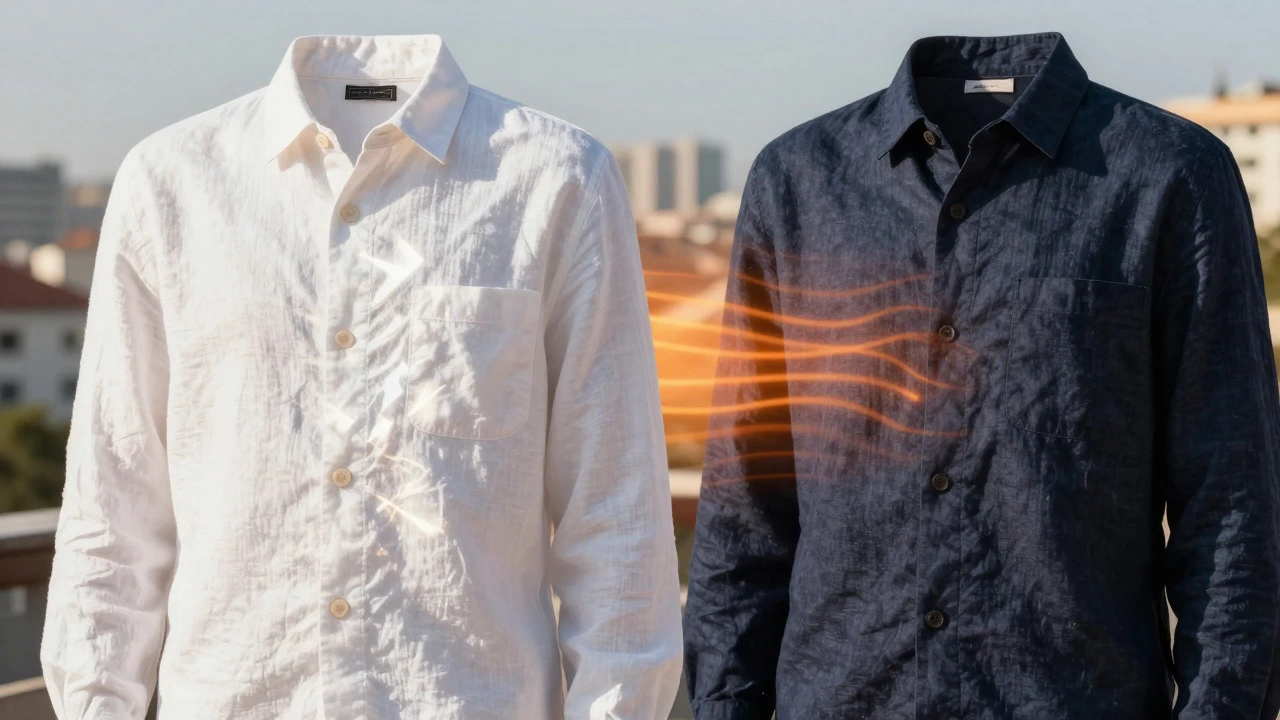
We are taught in school that white clothing reflects sunlight and black clothing absorbs it. This is true for direct solar radiation. If you stand in the sun with a white shirt and a black shirt, the black one will absorb more energy and heat up faster.
However, your body generates heat too. To stay cool, your body needs to radiate that heat away into the environment. Dark colors are actually better at emitting infrared radiation (body heat) than light colors. So, in direct, blazing sunlight, white wins because reflecting the sun's energy is the priority. But in shade, or during cooler evenings, a darker jacket might help your body dump heat more efficiently.
| Color | Solar Absorption | Body Heat Emission | Best Use Case |
|---|---|---|---|
| White / Light Pastels | Low (Reflects most) | Lower | Direct, intense sunlight |
| Black / Navy | High (Absorbs most) | Higher | Shade, evening, or windy conditions |
| Earth Tones (Khaki, Beige) | Moderate | Moderate | All-day versatility |
So, if you are walking around in full sun all day, stick to white, beige, or light grey. These colors reflect the visible spectrum of sunlight, keeping the outer layer of your jacket from becoming a radiator.
Fabric Trumps Color Every Time
Here is the hard truth: a thick, plastic-coated white rain jacket will cook you alive. A thin, airy black linen blazer will keep you comfortable. The material matters far more than the dye.
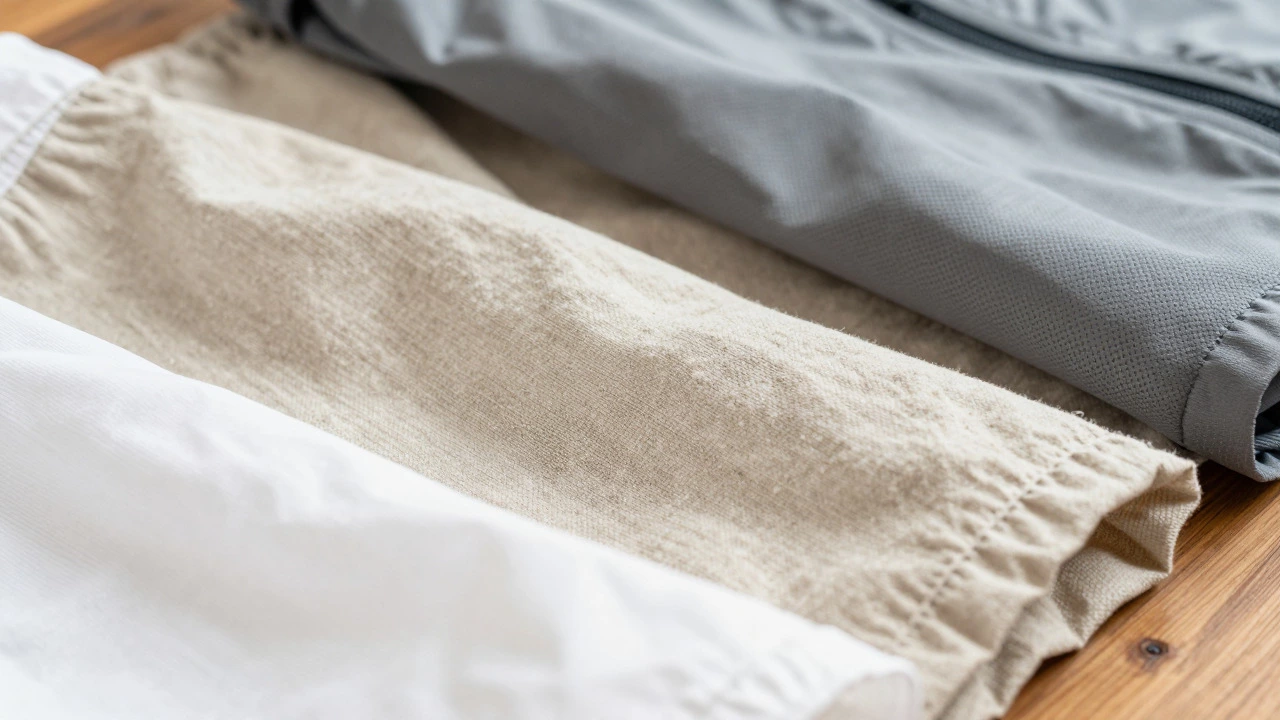
You need fabrics that allow for air circulation and moisture wicking. When you sweat, evaporation cools your skin. If the fabric traps that sweat against your body, you feel clammy and hot. If the fabric lets air pass through, you get a natural cooling effect.
- Linen: The king of summer fabrics. It has a rough texture that creates tiny air pockets between the fabric and your skin. It wrinkles easily, but that’s part of its charm. Look for pure linen or linen-cotton blends.
- Cotton Poplin or Voile: Lightweight, tightly woven cotton that feels crisp and allows breathability. Avoid heavy denim or canvas.
- Technical Synthetics: Modern hiking jackets use polyester or nylon with mesh linings. These are designed to wick sweat away rapidly. They often look sporty, but they are incredibly effective for active days.
- Avoid: Polyester (unless technical), acrylic, wool, and leather. These trap heat and moisture.
The Importance of Fit and Ventilation
Even the best white linen jacket will fail if it fits like a second skin. You need a chimney effect. Air should be able to enter at the bottom of the jacket and exit at the top.
Look for these features when shopping:
- Loose Cut: An oversized or relaxed fit allows air to circulate around your body. Skin-tight jackets eliminate this airflow.
- Ventilation Zippers: Many modern summer jackets have underarm zippers. These are game-changers. They allow you to vent heat without taking the jacket off completely.
- Mesh Linings: Check the inside of the sleeves or back panel. Mesh panels increase breathability significantly.
- Unlined Construction: Avoid jackets with inner lining unless it is breathable mesh. Unlined jackets are lighter and let heat escape directly from your clothes underneath.
UV Protection: The Hidden Danger
Why wear a jacket in summer? Usually, it’s for UV protection. Sunburn doesn’t just hurt; it damages your skin over time. A jacket provides consistent coverage that sunscreen misses.
When choosing a jacket for sun protection, look for the UPF (Ultraviolet Protection Factor) rating. A UPF 50+ jacket blocks 98% of UV rays. Interestingly, darker colors often provide better UV protection than lighter ones because the denser dye molecules block more radiation. However, modern fabrics are treated to offer high UPF regardless of color.
If you choose a light-colored jacket for heat reflection, ensure it is rated UPF 50+. Do not assume a white t-shirt offers much protection-it usually only blocks about 50% of UV rays when dry, and less when wet.
Style Choices That Stay Cool
You don’t have to sacrifice style for comfort. Here are specific jacket types that work well in summer:
- Ultralight Windbreakers: Often made from ripstop nylon. They pack into their own pocket. Great for breezy coastal areas or unexpected rain showers. Choose light colors.
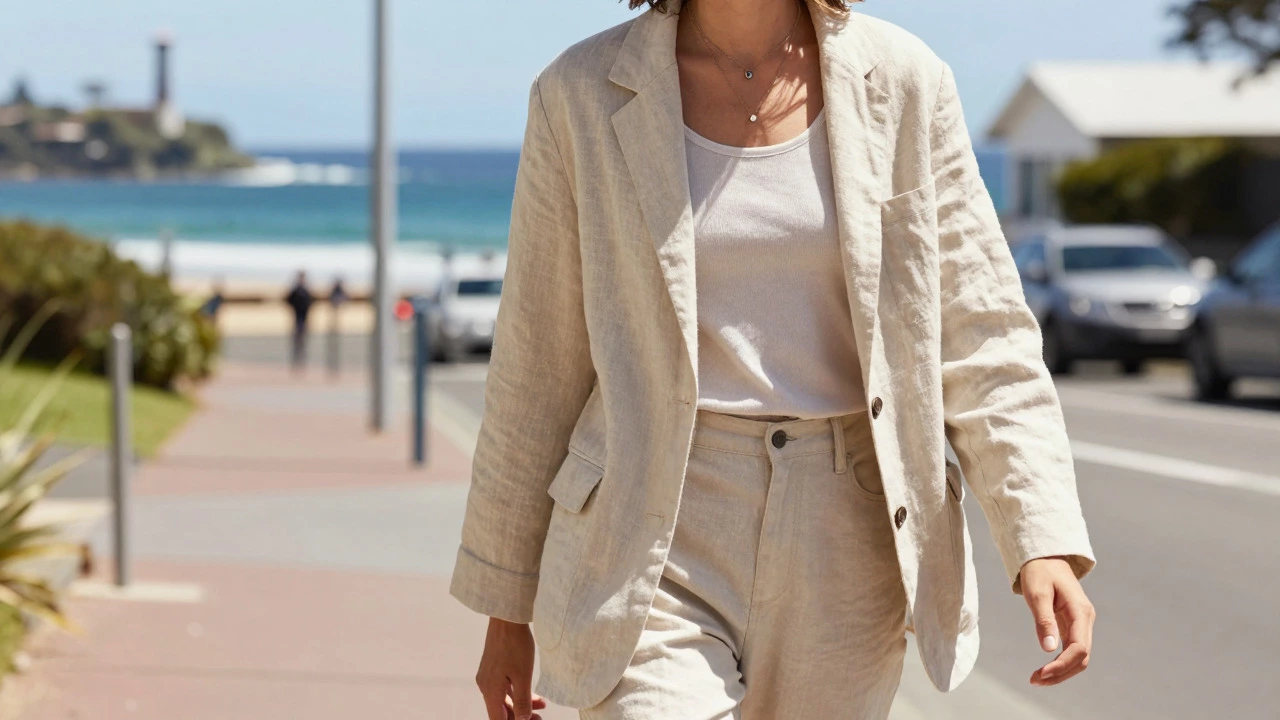
- Linen Blazers: Perfect for smart-casual events. Unbuttoned, they look polished but allow maximum airflow. Stick to navy, beige, or white.
- Denim Shirts as Jackets: A lightweight chambray or thin denim shirt worn open over a tank top works well. Just avoid heavy indigo denim.
- Utility Vests: If you need pockets, a vest eliminates arm coverage entirely, keeping your upper body cool while protecting your core.
Real-World Scenarios
Your ideal jacket depends on where you are and what you are doing.
The City Walker: You are navigating concrete jungles that retain heat. Concrete radiates heat upward. In this case, a light-colored, loose-fitting cotton jacket is best. It reflects the ambient heat and allows breeze to flow.
The Beach Goer: You are exposed to direct sun and salt spray. A UPF-rated rash guard or a lightweight, quick-dry synthetic jacket is ideal. White or pastel colors reflect the sun, but the fabric must dry fast to prevent chafing.
The Evening Event: Temperatures drop after sunset. A dark-colored linen blazer is perfect. It looks sophisticated, and the dark color helps emit any residual body heat as the air cools down.
Common Mistakes to Avoid
Many people buy jackets based on trends rather than function. Here is what to skip:
- Waterproof Membranes: Unless you expect rain, avoid Gore-Tex or similar waterproof layers. They are designed to keep water out, which also keeps heat and sweat in.
- Heavy Collars: High, stiff collars rub against your neck and trap heat. Opt for flat collars or collarless designs.
- Dark Synthetic Fabrics: A black polyester jacket is the worst combination for summer. It absorbs sun heat and traps body heat. Avoid at all costs.
Final Thoughts on Staying Cool
There is no single "best" color. White is generally safer for direct sun due to reflection, but black can be cooler in shade due to heat emission. The real winners are lightweight, breathable fabrics with a loose fit. Prioritize linen, cotton, or technical mesh over color choice. And always check for UPF ratings if sun protection is your goal.
Next time you shop, hold the jacket up to the light. Can you see through it? Does it feel airy? If yes, you’re on the right track. Pair that with a light color, and you’ll beat the summer heat in style.
Is a white jacket really cooler than a black one?
In direct sunlight, yes. White reflects solar radiation, keeping the fabric surface cooler. Black absorbs sunlight, heating up the material. However, in shade or low-light conditions, black can be slightly better at emitting body heat. For most summer activities in the sun, white or light pastels are the safer bet.
What is the best fabric for a summer jacket?
Linen is the top choice for breathability and style. Cotton poplin and voile are excellent alternatives. For active use, look for technical synthetics with mesh linings and moisture-wicking properties. Avoid heavy wool, leather, and non-breathable polyester.
Does the fit of the jacket affect how cool I feel?
Yes, significantly. A loose fit allows air to circulate between your skin and the jacket, creating a cooling chimney effect. Tight jackets trap body heat and sweat against your skin, making you feel hotter and clammy.
Should I look for UPF ratings in summer jackets?
If you plan to be in the sun for extended periods, yes. A UPF 50+ rating ensures that 98% of UV rays are blocked. This is crucial for preventing sunburn and long-term skin damage, especially since many lightweight fabrics offer minimal natural UV protection.
Can I wear a black jacket in summer?
Yes, if it is made from breathable fabric like linen or unlined cotton and has a loose fit. Black absorbs heat, so it’s best avoided in direct, intense midday sun. However, for evening events or shaded areas, a black linen blazer can be stylish and comfortable.