Global Denim Market Leader Simulator
Select a metric below to see which brand dominates according to the article's data. Note that "selling the most" depends entirely on how you measure it.
Key Insight
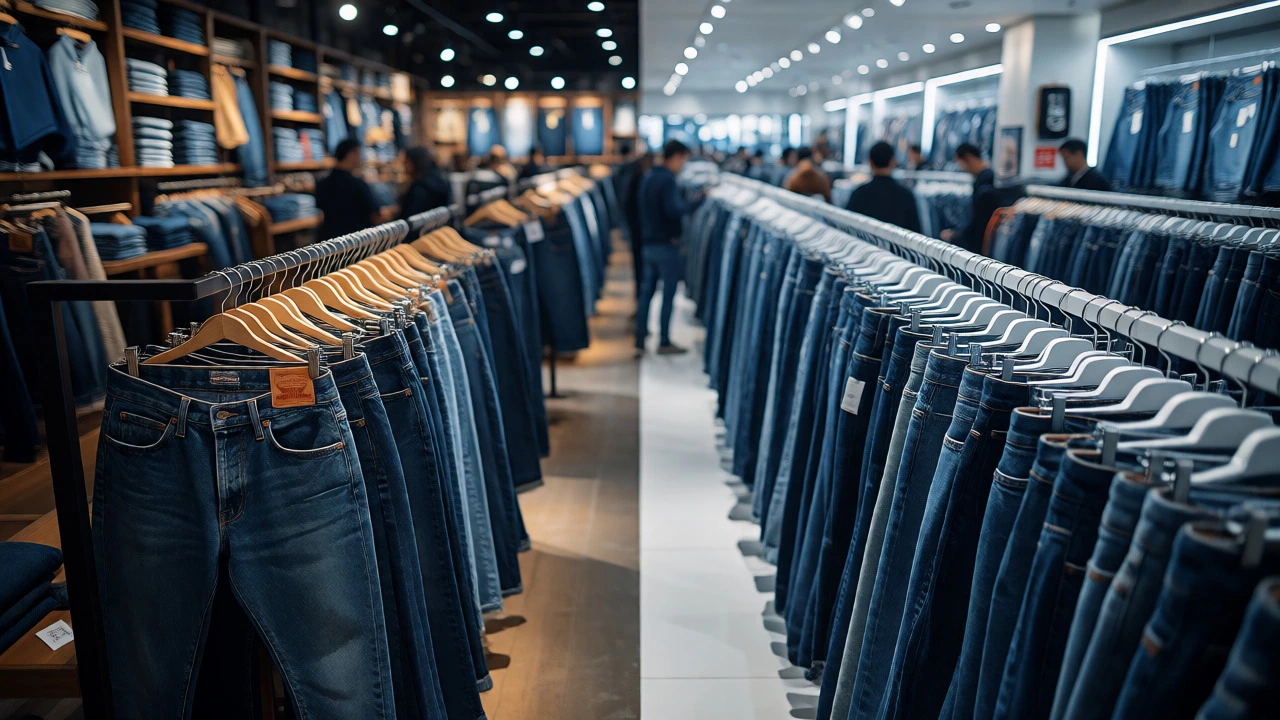
You walk into a mall or scroll through an online store, and you’re hit with a wall of blue. Indigo, stonewashed, raw, distressed-jeans are everywhere. But if you had to point at one company and say, "They sell more jeans than anyone else on Earth," who would it be? It’s not as simple as picking the logo you see most often on your friends' legs. The answer depends on whether you mean total revenue, unit volume, or market share in specific regions. As of late 2025 and heading into 2026, Levi Strauss & Co. remains the heavyweight champion of the traditional denim world, but they are being fiercely challenged by retail giants like Uniqlo and Inditex (Zara).
Here is the quick breakdown before we get into the nitty-gritty:
- Total Revenue Leader: Levi Strauss & Co. still holds the top spot for pure denim-focused revenue, generating over $6 billion annually from its core brand.
- Unit Volume Leader: Fast fashion retailers like Uniqlo and H&M likely move more individual pairs of jeans globally due to lower price points and massive store networks.
- Regional Dominance: In North America, Levi’s is king. In Asia, local brands and Uniqlo dominate the sales charts.
- The "Hidden" Giant: Private label jeans sold by supermarkets and big-box stores (like Walmart’s private labels) account for a huge chunk of global volume that often goes uncredited to a single "brand."
The Levi’s Legacy: Why They Still Top the Charts
Let’s start with the obvious contender. When people ask who sells the most jeans, they usually expect to hear "Levi's." And for good reason. Levi Strauss & Co. is the original denim company, founded in 1853, known for creating the first blue jeans. For decades, they were the only game in town. Even today, their financial reports show consistent dominance in the premium and mid-market segments. In 2024, Levi’s reported revenues exceeding $6.2 billion, with the vast majority coming from their iconic 501® and other core styles.
Why does this matter? Because Levi’s doesn’t just sell jeans; they sell heritage. A pair of Levi’s costs more than a pair of Zara jeans. So, while Zara might sell twice as many units, Levi’s makes more money per pair. If you define "selling the most" by dollar value, Levi’s is hard to beat among dedicated denim brands. They have a direct-to-consumer model that has grown significantly, allowing them to capture more margin than they did when they relied heavily on wholesale partners like department stores.
But here’s the catch: Levi’s is no longer the undisputed ruler of every shelf. Their growth has slowed compared to agile competitors. They are fighting to stay relevant with Gen Z, who often prefer baggier fits and vintage aesthetics over the classic slim cuts Levi’s pushed in the 2010s. To keep their crown, they’ve had to pivot aggressively toward sustainability and inclusive sizing, which adds complexity to their supply chain but keeps their brand fresh.
The Fast Fashion Challengers: Uniqlo, H&M, and Zara
If you count every single pair of jeans sold, regardless of brand prestige, the landscape shifts dramatically. Enter Fast Retailing Co., Ltd., the parent company of Uniqlo. Uniqlo isn’t trying to be a fashion house; they want to be a utility provider. Their jeans are cheap, durable, and available in basic colors. In markets like Japan, China, and increasingly in the West, Uniqlo moves millions of pairs of denim every quarter.
Consider the numbers. Uniqlo’s global revenue is in the tens of billions, with denim being a key category alongside heattech and basics. While they don’t break out exact denim unit sales publicly, industry analysts estimate that their volume rivals or exceeds Levi’s in terms of sheer quantity. Why? Price. A pair of Uniqlo jeans might cost $30-$40. A pair of Levi’s starts around $70-$80. For students and budget-conscious shoppers, Uniqlo is the default choice.
Then there’s Inditex, the Spanish giant behind Zara. Zara operates differently. They rely on speed. They can design, produce, and ship a new jean style in weeks, not months. This allows them to chase trends instantly. If low-rise jeans become popular overnight, Zara will have them in stores within a month. This agility means they capture impulse buyers who aren’t looking for a lifetime investment piece but a trendy item for the season. In Europe, Zara is arguably the biggest seller of denim by volume.
H&M is another player worth mentioning. Based in Sweden, H&M targets a similar demographic to Uniqlo but with a stronger focus on rapid trend cycles. Their denim lines are ubiquitous. However, their quality control issues and environmental criticisms have led some consumers to shift toward more sustainable options, slightly dampening their explosive growth seen in the early 2010s.

The Regional Reality: Where You Live Changes the Answer
It’s crucial to understand that "global leader" is a tricky concept. Sales patterns vary wildly by geography. Let’s look at three major markets:
| Region | Dominant Brand | Runner Up | Key Driver |
|---|---|---|---|
| North America | Levi’s | Wrangler/Lee | Brand loyalty, workwear heritage |
| Europe | Zara/H&M | G-Star RAW | Trend-driven, fast fashion access |
| Asia-Pacific | Uniqlo | Local Brands (e.g., Lee in Japan) | Value, fit consistency, digital shopping |
In the United States, Levi’s maintains a stronghold. Americans grew up with Levi’s, and the brand is deeply embedded in cultural identity. Competitors like Wrangler and Lee (both owned by Kontoor Brands) hold significant market share, particularly in rural areas and among manual laborers. Wrangler, for instance, dominates the western wear niche. If you’re a rancher in Texas, you’re buying Wrangler. If you’re a student in New York, you’re probably wearing Levi’s or thrifting vintage pairs.
Flip the map to Europe, and the picture changes. European consumers tend to prioritize fit and current trends over brand heritage. This benefits Zara and H&M, which offer frequent drops of new styles. Additionally, European brands like G-Star RAW and Nudie Jeans have carved out loyal followings by focusing on sustainability and unique designs. Nudie, for example, offers free repairs for life, appealing to eco-conscious buyers in Scandinavia and Germany.
In Asia, specifically China and Japan, Uniqlo is the powerhouse. Japanese consumers appreciate the precision of Uniqlo’s sizing and the durability of their fabrics. In China, domestic brands like Bosideng and various Taobao-native brands compete fiercely on price, making it hard for Western brands to maintain volume leadership without aggressive discounting.
Beyond the Big Names: The Rise of Direct-to-Consumer and Vintage
While Levi’s and Uniqlo battle for volume, a quieter revolution is happening online. Direct-to-Consumer (DTC) brands are capturing high-margin sales from millennials and Gen Z. Companies like Everlane, Madewell (owned by J.Crew), and Good American are selling significant quantities of jeans. They may not match Levi’s in total units, but their customer engagement and repeat purchase rates are often higher.
Madewell, in particular, has become a favorite for women’s denim in the US. Their focus on comfort and inclusive sizing has allowed them to steal market share from traditional department store brands. Similarly, Good American, co-founded by Khloe Kardashian, leverages celebrity influence and body-positive marketing to drive sales. These brands prove that you don’t need a 150-year history to sell millions of pairs-you just need to solve a specific problem for a specific audience.
Then there’s the secondhand market. Platforms like Depop, ThredUp, and Vinted are technically "selling" jeans, too. Vintage Levi’s 501s are highly sought after. If you include resale, the volume of jeans changing hands skyrockets. This complicates the "who sells the most" question because these platforms aggregate thousands of individual sellers rather than one corporate entity. However, it highlights a growing consumer preference for sustainability over new production.
What Drives the Decision? Quality vs. Quantity
So, why do some companies sell more dollars’ worth while others sell more pairs? It comes down to business models.
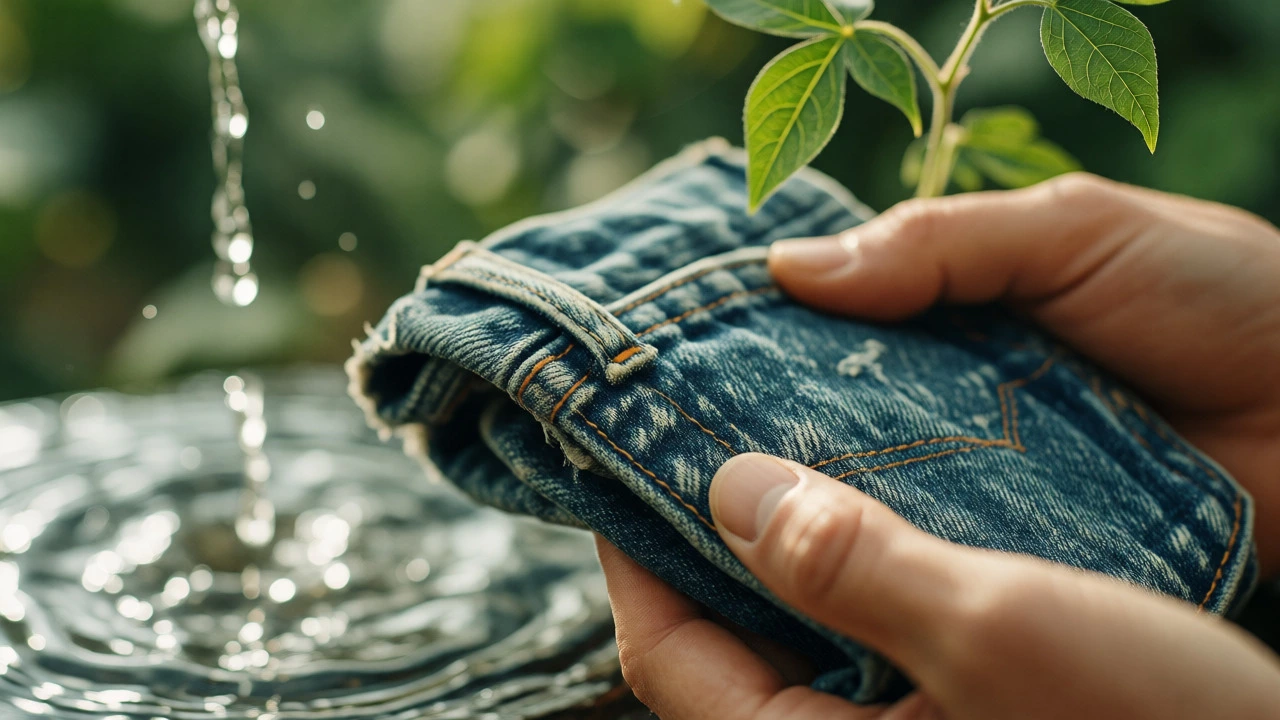
Levi’s operates on a premium model. They invest heavily in marketing, R&D for fabric technology (like their Water Uniqlo and H&M operate on a volume model. They aim for thin margins but massive turnover. They optimize supply chains to reduce waste and speed up delivery. Their goal is to be the default option for everyday wear. If you spill coffee on your jeans, you don’t cry; you buy another pair next week because it was cheap. There’s also the issue of counterfeit goods. Globally, millions of fake Levi’s and Gucci jeans are sold every year. These transactions rarely appear in official corporate revenue reports but represent real consumer spending. In emerging markets like India and Brazil, counterfeit denim accounts for a substantial portion of actual jeans worn. If you counted every pair of jeans sold, including fakes, the "real" leader might be unknown. As we look toward 2026 and beyond, the race for denim supremacy is shifting. Consumers are becoming more aware of the environmental impact of jeans. Producing one pair of jeans requires approximately 7,000 liters of water. This statistic is driving demand for sustainable alternatives. Brands that lead in sustainability are gaining traction. Reformation and Patagonia are pushing boundaries with recycled cotton and organic fibers. Levi’s is responding with their "SecondHand" program, encouraging customers to trade in old jeans for credit. This circular economy approach could help Levi’s retain customers longer, even if they sell fewer new pairs initially. Technology is also playing a role. Virtual try-on tools are reducing return rates, which is a huge cost saver for online denim sales. Brands that master this tech will gain an edge. Furthermore, AI-driven inventory management helps fast fashion giants predict trends more accurately, reducing unsold stock. Ultimately, asking "who sells the most jeans" doesn’t have a single, static answer. It depends on your metric. For revenue and brand power, Levi’s leads. For volume and accessibility, Uniqlo and Zara are formidable competitors. For regional dominance, local heroes often win. What’s clear is that the denim market is resilient. Despite economic downturns and changing fashion trends, jeans remain a wardrobe staple. The companies that adapt to sustainability demands and digital shopping habits will continue to lead the pack. In terms of revenue and brand recognition, yes, Levi Strauss & Co. is widely considered the leading denim brand globally. However, in terms of unit volume (number of pairs sold), fast fashion retailers like Uniqlo, H&M, and Zara likely sell more individual pairs due to lower prices and wider distribution. The United States is the largest market for jeans by value. China is rapidly catching up and may surpass the US in total volume due to its large population and growing middle class. Other significant markets include Japan, Germany, and the UK. Not necessarily. Expensive jeans often use higher-quality cotton, better stitching, and ethical manufacturing practices. However, some affordable brands like Uniqlo offer excellent durability. Conversely, some luxury designer jeans charge a premium for the logo rather than superior fabric. Look for details like selvedge denim and reinforced stitching if quality is your priority. Both Wrangler and Lee are owned by Kontoor Brands, Inc. Kontoor spun off from VF Corporation in 2019. They are major competitors to Levi’s, particularly in the workwear and casual segments in North America. On average, it takes about 7,000 to 10,000 liters of water to produce a single pair of conventional cotton jeans. This includes growing the cotton, dyeing the fabric, and finishing processes. Sustainable brands are working to reduce this footprint significantly.The Future of Denim Sales: Sustainability and Tech
Is Levi’s really the best-selling jeans brand?
Which country buys the most jeans?
Are expensive jeans actually better quality?
Who owns Wrangler and Lee?
How much water does it take to make one pair of jeans?