Suit Value & Cost-Per-Wear Calculator
Based on the principles of construction found in Savile Row standards, calculate if an expensive suit is actually cheaper in the long run.
Configuration
Configure your suit choices above to see if investing in quality construction saves money over time.
You walk into a store, see a suit you love, and then look at the price tag. Your heart drops. One looks similar to the other, yet one costs three hundred dollars and the other costs three thousand. It feels like magic, or maybe exploitation. That gap in pricing isn't random. Every dollar attached to that label represents a decision made during design, sourcing, and assembly. When you pay for a suit, you aren't just buying cloth; you are paying for time, skill, and material history.
The Fabric Story Matters
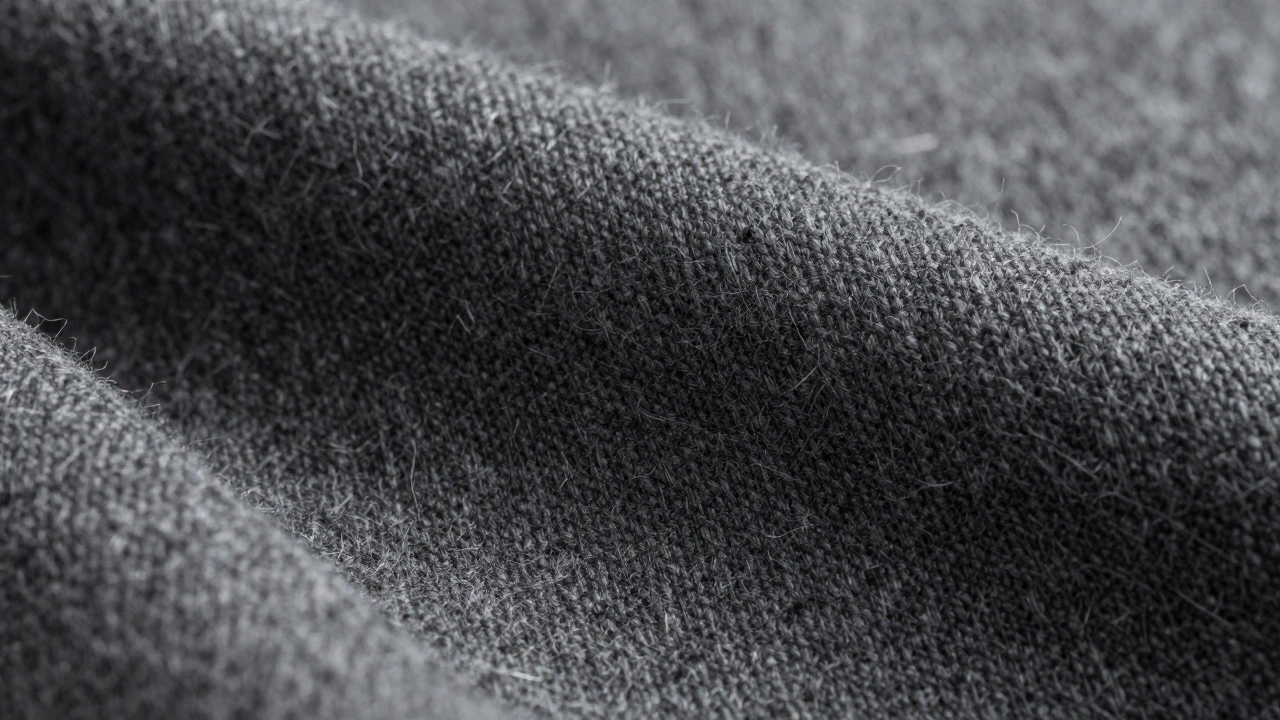
The foundation of any suit is the cloth itself. You might think all black wool looks identical, but under a microscope, they are worlds apart. Cheap suits often use synthetic blends or lower-grade wool that pills easily and traps heat. High-end suits invest in natural fibers sourced from specific regions known for their quality.
Merino Wool is a premium fiber known for its fine micron count and natural breathability. It comes from sheep raised in controlled environments like Australia or New Zealand. The term "Super 100s" or "Super 150s" refers to the fineness of the fiber. Higher numbers mean finer thread. Finer thread drapes better but tears easier. You pay for this balance. A mill spending weeks spinning wool versus days affects the price significantly. Brands like Zegna or Loro Piana control the entire supply chain, from farm to spindle, which adds transparency and cost.
How the Suit is Put Together
This is where the real cost gets hidden. A suit isn't sewn together in one go. It involves multiple layers working together to hold the shape. If you feel a suit jacket that feels stiff and doesn't move with you, it is likely fused.
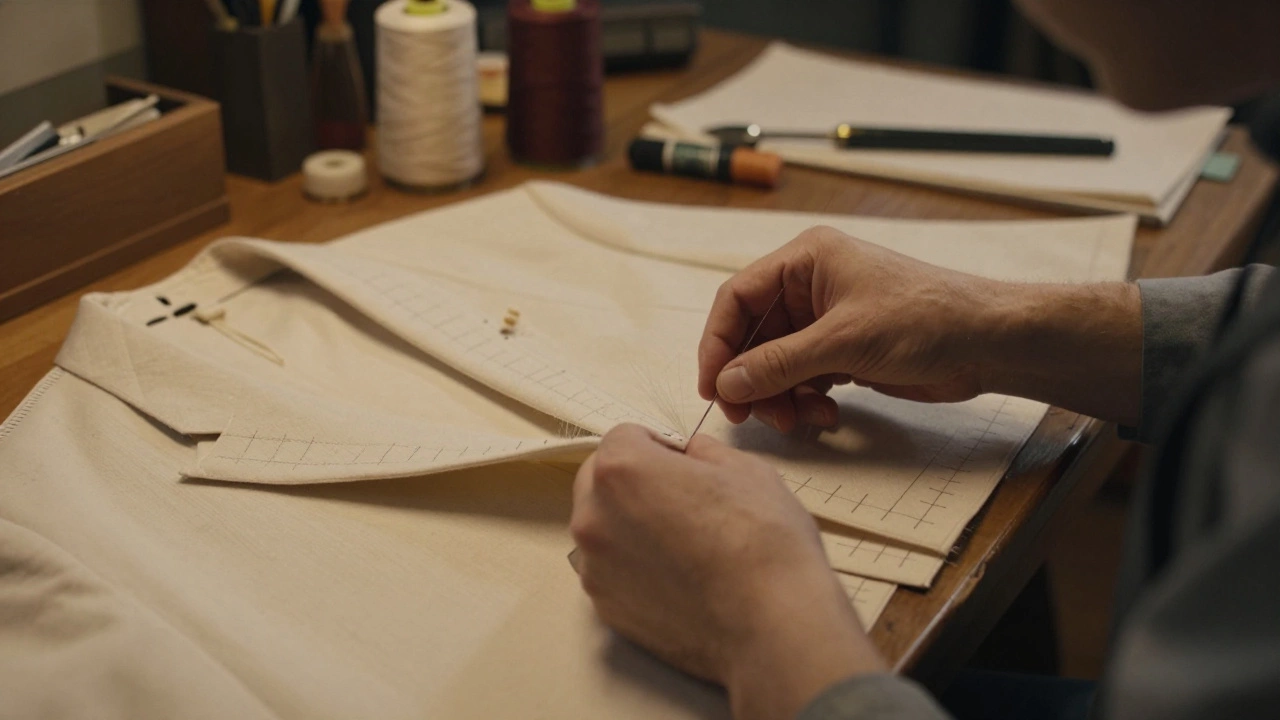
Fusing uses heat and glue to bond the fabric to the inside lining. This is cheap and fast, but it cracks over time. A full canvas construction uses layers of horsehair and cotton stitched by hand. This layer floats inside, allowing the jacket to mold to your body over years of wear.
- Fused: Glued interlining, cheaper, shorter lifespan.
- Half-Canvased: Partial floating layer, moderate price, good balance.
- Full-Canvased: Completely floating structure, expensive, lasts decades.
Savile Row is the historic district in London famous for bespoke tailoring standards. Tailors here often spend weeks on a single garment. The cost reflects hundreds of man-hours dedicated to fitting. While you might not live near Savile Row, the principles of construction there dictate global pricing. Even in New Zealand or the US, a tailor replicating these standards charges for the hours spent on the needlework.
Where Was It Made?
Location changes everything. A suit made in an Italian workshop pays local artisans who specialize in specific tasks like buttonhole embroidery. Labor costs in Europe or the UK are high. Many big brands outsource production to countries where labor is cheaper to keep margins up.
If a suit says "Made in Italy," check the detail. Is it fully made there, or just assembled with parts shipped in? True craftsmanship requires skilled workers. A hand-sewn notch lapel takes longer than a machine-sewn one. That time translates directly to currency. You are essentially subsidizing the artisan's livelihood when you choose domestic production over factory mass production.
| Method | Average Hours | Durability | Price Range |
|---|---|---|---|
| Fused Jacket | 2-4 hours | 3-5 years | $200-$500 |
| Half-Canvassed | 8-12 hours | 7-10 years | $600-$1,200 |
| Full Canvas | 40+ hours | 20+ years | $1,500+ |
Seeing the time difference helps justify the sticker price. If you buy a fused suit, you might need to replace it in four years. A well-made canvas suit could last twenty years. When calculated by "cost per wear," the expensive suit often wins.
The Brand Tax
We have to talk about the logo. Buying a designer suit means paying for the image associated with the name. Big labels spend millions on advertising campaigns. They lease prime retail spaces in busy city centers. Rent in places like Milan, New York, or Sydney is astronomical.
Retail Markup is the percentage added to the wholesale cost to cover overhead and profit. Typically, retailers mark goods up by 50% to 100%. Designer brands add even more to fund marketing. If a boutique sells a suit for one thousand dollars, the maker might have received two hundred or three hundred. That middleman cost covers the sales staff, the lighting, the air conditioning, and the rent. Online-only brands can skip this and offer lower prices because they save on physical storefronts.
Customization Levels
Buying off the rack is convenient, but human bodies aren't identical. Standard sizes assume an average build, which many men do not have. This leads to uncomfortable fits.
Made-to-measure services adjust patterns to your measurements. You select the cloth, buttons, and lining. Bespoke takes it further by cutting the pattern entirely from scratch on paper specifically for you. The initial session alone can take two hours of measuring and consultation.
These services are labor-intensive. You are hiring a tailor for days of work spread across fittings. It's normal for a bespoke suit to start at three thousand dollars. You are paying for exclusivity and perfect comfort. Off-the-rack suits are standardized for efficiency. Mass production prioritizes speed over individual fit, keeping costs down.
Hidden Details Add Up
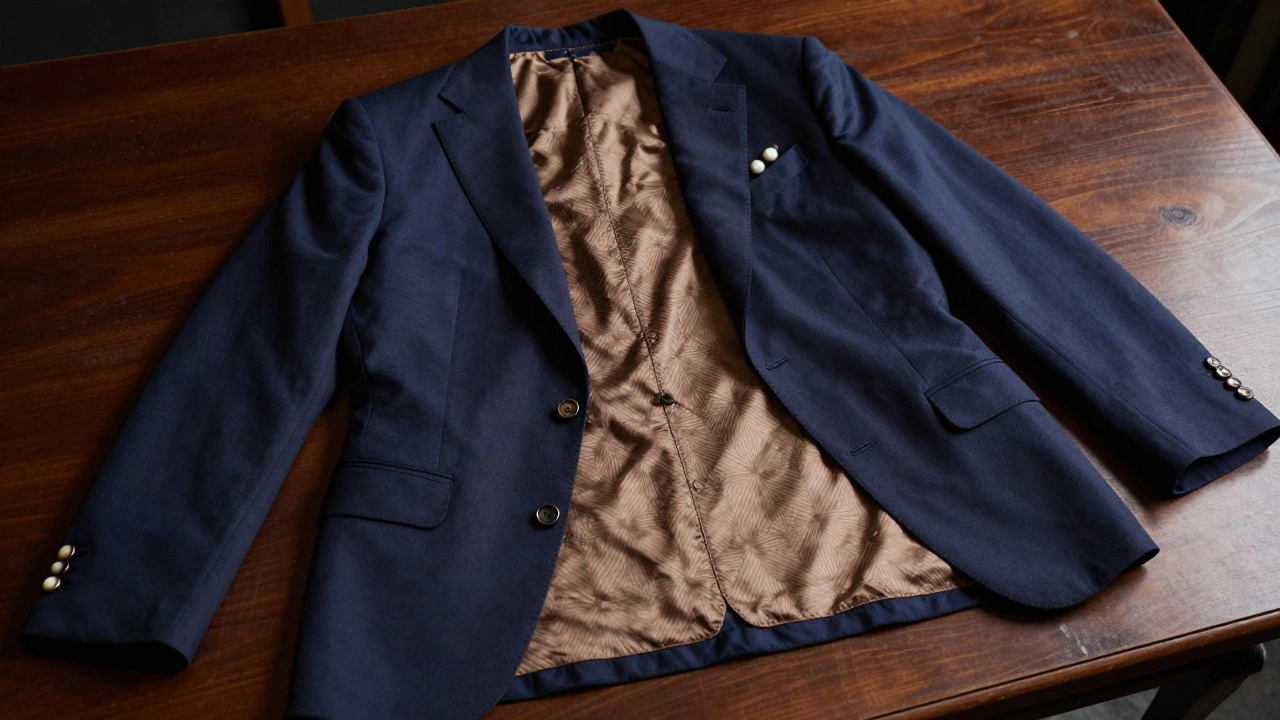
Look inside the jacket. Cheap suits use plastic buttons that shine unnaturally. Expensive suits use horn, shell, or corozo buttons. They are cut from real materials. The lining inside also varies.
Bemberg Rayon is a breathable lining material often used in higher quality garments. Cheap linings use polyester which makes you sweat. Then there are functional features like ticket pockets on the flap or vents in the back. These require extra cutting precision. Buttonholes can be worked by machine or by hand. Hand-worked buttonholes allow the sleeve to breathe. They are considered a mark of quality.
Every stitch choice contributes to the final sum. Some people argue you don't notice the difference while walking down the street. You might not notice visually, but you definitely notice physically. Comfort over eight hours of sitting differs vastly between a glued jacket and a hand-stitched one.
When to Spend More
Should you always buy the most expensive suit available? Not necessarily. If you need a tuxedo for a wedding once every five years, save your money. Look for a rental or a solid mid-range option.
If you need a suit for work every week, investing in quality makes financial sense. Think about the total number of wears. Spending four thousand dollars on one suit you wear twice a week for ten years is fifty cents a day. Spending three hundred dollars on a suit you throw away after three years is twenty dollars a month.
Is a handmade suit worth the extra cost?
Yes, if you wear it frequently. Hand-stitched elements allow the jacket to flex with your body. Over five years, a handmade suit retains its shape far better than a machine-made alternative.
What should I check before buying a suit?
Check the weight of the shoulder and the inside. Try to pull the front opening. If it pulls tight immediately, it is likely fused. Ask the seller what type of canvas is used.
Does 'Made in Italy' always mean high quality?
Not always. Many suits are assembled in Italy using imported Chinese components. Check if the fabric is milled in Italy and if the construction includes canvassing.
How long does a cheap suit last?
A fused, low-quality suit typically lasts three to five years with regular dry cleaning. The glue holding the layers together tends to bubble and crack over time.
Can I alter a cheap suit to fit better?
You can take sides in, but you cannot change the shoulder structure or chest fit easily. Alterations cost money too, often adding two hundred dollars to the total expense.
Understanding these layers helps you shop smarter. You know now that the price tag tells a story about the fiber, the hands that sewed it, and the shop selling it. Don't just look at the outside. Pull the collar, touch the lining, and ask about the canvas. That information tells you whether you are getting value or paying for air.