Footwear Sustainability Score Calculator
Ready to Calculate
Select your preferences and click calculate to see how sustainable your choice is.
There is a certain charm to the smell of new leather. It’s earthy, rich, and instantly signals quality. For decades, we’ve been told that leather shoes are the gold standard of footwear-durable, breathable, and timeless. But if you’ve ever paused before putting on a pair of calf-skin boots or wondered about the origin of that sleek Italian loafer, you aren’t alone. The conversation around leather has shifted dramatically in recent years.
It’s no longer just about looking good; it’s about what that look costs. When we ask why not to wear leather shoes, we are really asking about the hidden price tags attached to our comfort. From the toxic chemicals used in tanning to the complex web of animal welfare issues, the reality behind the material is far messier than the polished finish suggests. Let’s pull back the curtain and look at the real reasons many people are swapping their leather favorites for something more conscious.
The Environmental Toll of Tanning
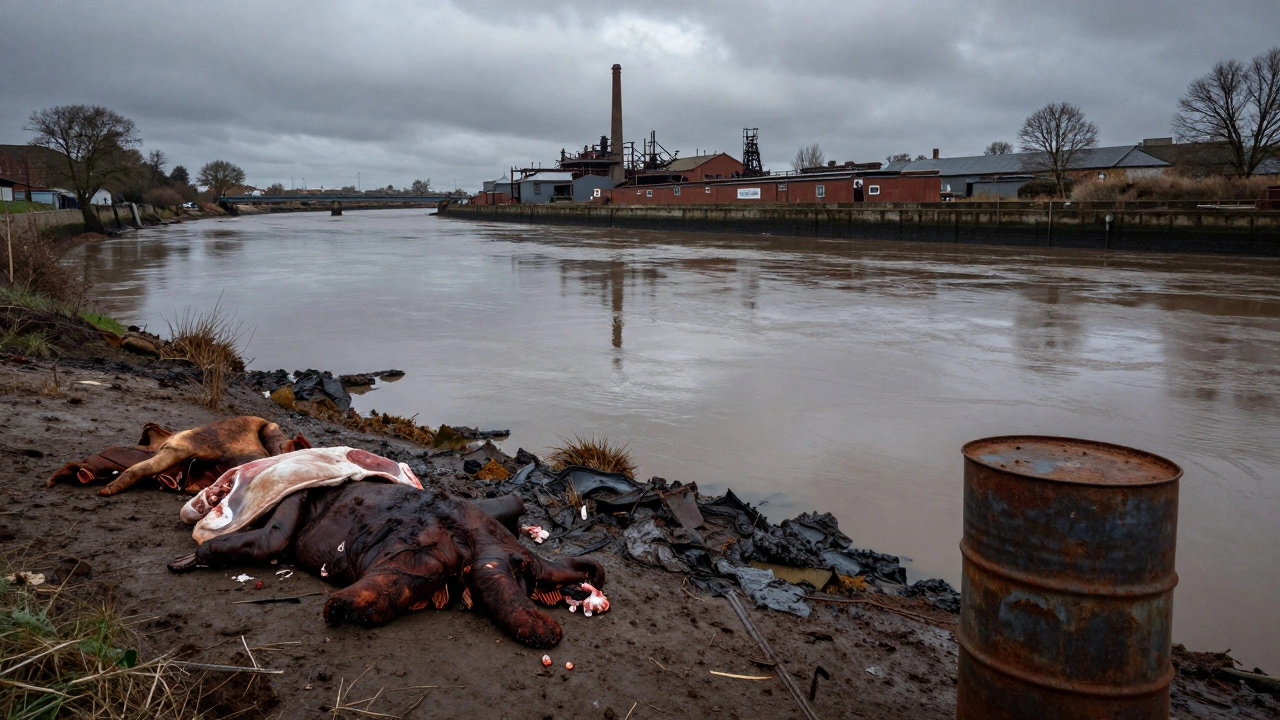
The biggest issue with leather isn’t the animal itself-it’s what happens to the skin after it’s removed. Raw hide is perishable. Without treatment, it would rot within days. To make it durable and flexible, it undergoes a process called tanning. This is where the environment pays a heavy price.
Traditional chrome tanning uses chromium III, a metal salt that is efficient but highly toxic if mishandled. In many parts of the world, particularly in developing nations where much of the world’s leather is processed, waste management regulations are lax. Toxic sludge containing heavy metals often ends up in local rivers and soil. This contaminates drinking water for nearby communities and destroys local ecosystems. Even "vegetable tanning," which uses natural tannins from trees, requires massive amounts of water and land resources. The carbon footprint of producing one pair of leather shoes can be significant when you factor in the energy required for processing, dyeing, and finishing.
The Animal Welfare Reality
For many, the primary reason to avoid leather is ethical. Leather is rarely produced independently; it is almost always a byproduct of the meat and dairy industries. This means that choosing leather indirectly supports factory farming practices that prioritize profit over animal well-being.
Cattle raised for beef or dairy are often kept in confined spaces, subjected to stressful transport conditions, and slaughtered in high-volume facilities. While some argue that using the skin makes the animal’s life "more efficient," this logic ignores the fact that the demand for leather creates an additional market incentive to keep these animals alive longer or breed them specifically for their hides. If you oppose industrial farming, wearing leather sends a conflicting message. It validates a system where animals are treated as commodities rather than sentient beings.
Health Risks and Chemical Exposure
Your feet spend a lot of time inside your shoes, making them a prime spot for chemical exposure. During the tanning and dyeing processes, various hazardous substances are used. These include formaldehyde, arsenic, and lead, depending on the region and manufacturer. While modern regulations in places like the EU and US limit these toxins, enforcement varies globally.
More commonly, people experience contact dermatitis from leather treatments. The dyes and finishes applied to make leather look vibrant and uniform can cause allergic reactions, leading to itching, redness, and blistering. Synthetic alternatives, while sometimes criticized for breathability, often offer hypoallergenic options that are safer for sensitive skin. Additionally, the off-gassing of volatile organic compounds (VOCs) from new leather shoes can contribute to indoor air pollution, especially in poorly ventilated spaces.
Maintenance and Long-Term Cost
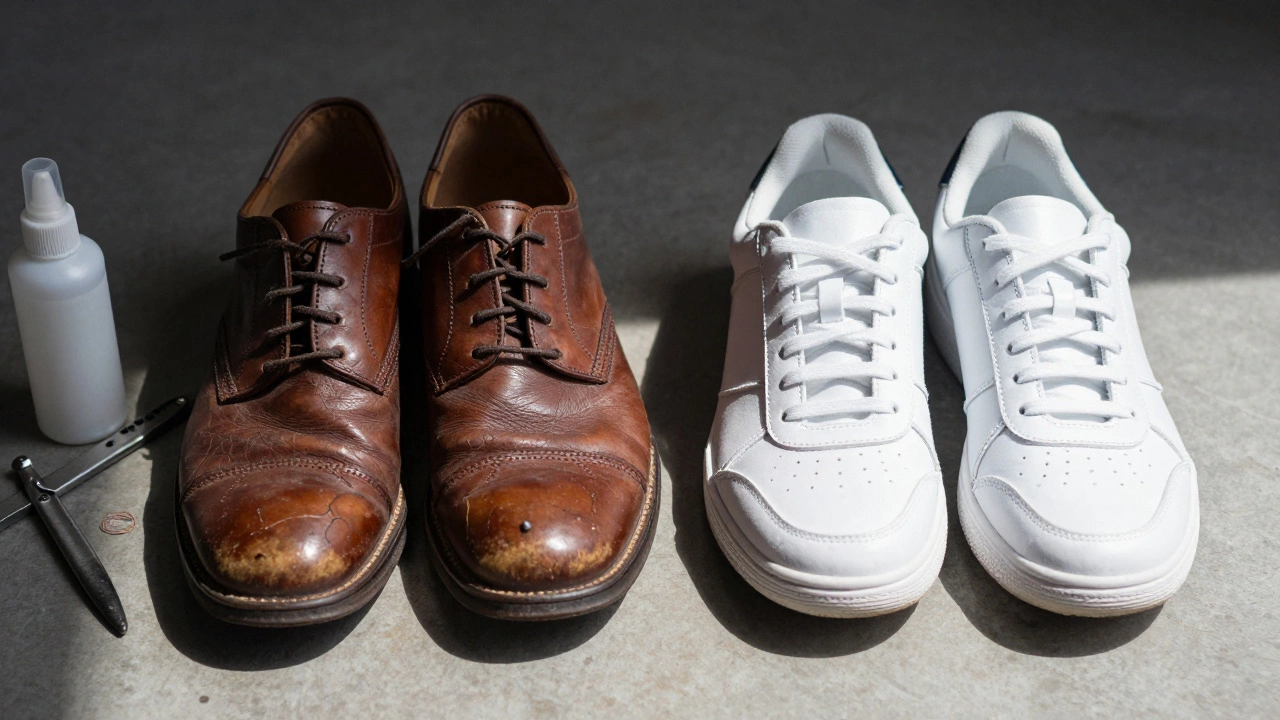
We’re told leather lasts forever, but only if you treat it right. And treating it right is expensive and labor-intensive. Leather is porous and vulnerable to moisture. A single rainy day in Wellington can ruin a pair of untreated suede or smooth leather shoes if they aren’t protected. You need to buy conditioners, waterproofing sprays, and specialized cleaners.
If you neglect this maintenance, the leather cracks, fades, and loses its shape. Repairing scuffs and scratches often requires professional cobblers, adding to the long-term cost. Compare this to many modern synthetic materials or innovative plant-based alternatives. Many of these require nothing more than a wipe-down with a damp cloth. They resist water naturally, don’t crack with age, and often come with warranties that cover structural failure. The "buy once, cry once" mentality doesn’t always hold up when you factor in the ongoing upkeep of genuine leather.
The Rise of Superior Alternatives
The argument against leather was stronger ten years ago because the alternatives were poor-plastic-y, hot, and uncomfortable. That is no longer true. Technology has caught up, and now there are compelling reasons to switch.
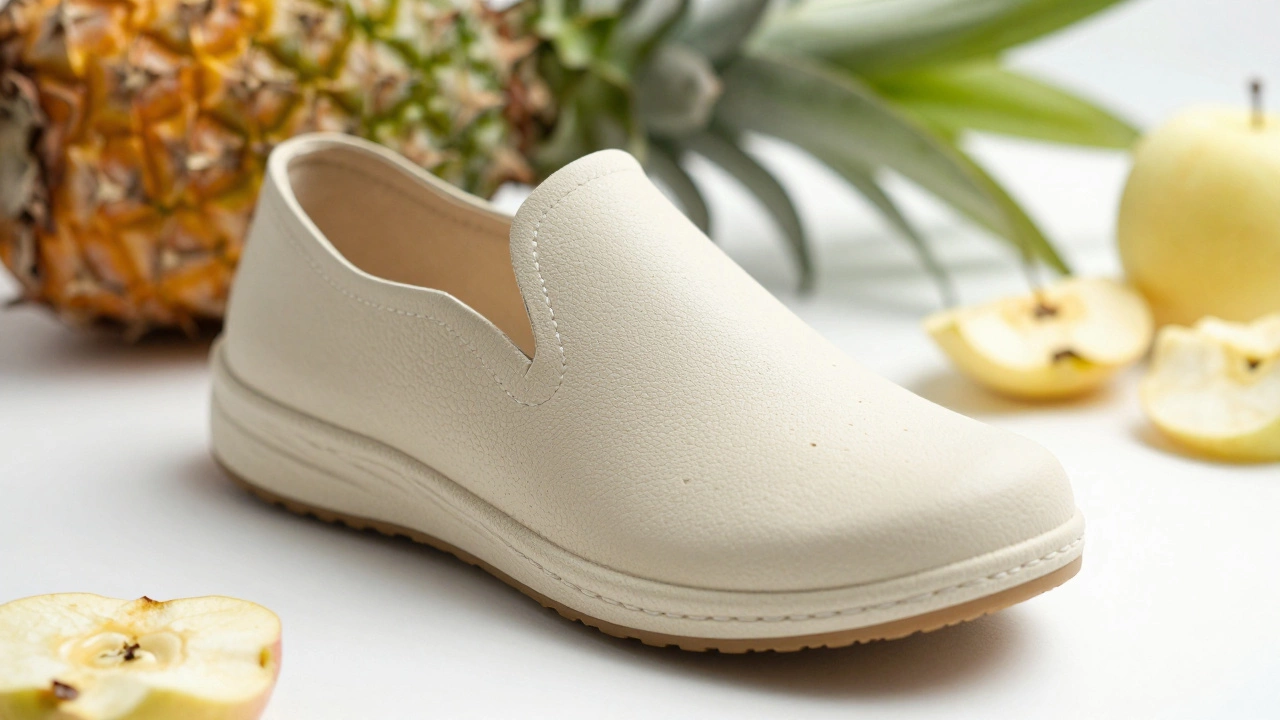
Plant-based leathers are leading the charge. Materials made from pineapple leaves (Piñatex), mushroom mycelium (Mylo), and apple waste are becoming mainstream. These materials mimic the texture and durability of animal leather without the ethical baggage. They are lightweight, breathable, and biodegradable at the end of their life cycle.
Even recycled synthetics have improved. High-quality recycled polyester and nylon blends offer excellent durability and water resistance. Brands are increasingly using these materials to create stylish, functional footwear that looks identical to leather but performs better in wet climates. The stigma of "fake leather" is fading as consumers realize that innovation drives sustainability forward.
| Feature | Genuine Leather | Plant-Based Leather (e.g., Mylo) | Recycled Synthetics |
|---|---|---|---|
| Environmental Impact | High (toxic tanning, methane emissions) | Low (agricultural waste utilization) | Medium (recycling reduces virgin plastic use) |
| Ethical Concerns | Animal slaughter/factory farming | None (vegan-friendly) | None (vegan-friendly) |
| Maintenance | High (conditioning, waterproofing needed) | Low (wipe clean) | Low (machine washable or wipe clean) |
| Durability | High (if maintained) | Medium-High (improving rapidly) | High (resistant to abrasion) |
| Biodegradability | Yes (but slow due to chemicals) | Yes (compostable under right conditions) | No (microplastic risk) |
Social Responsibility and Transparency
The fashion industry is notoriously opaque. When you buy leather shoes, it’s difficult to trace the supply chain. Did the cattle come from deforested areas in the Amazon? Was the tannery paying fair wages? Most brands do not disclose this information. By avoiding leather, you force companies to be more transparent. Vegan and sustainable brands often pride themselves on full traceability, showing exactly where materials come from and who made the product.
Choosing non-leather options supports a shift toward a more accountable industry. It signals to manufacturers that consumers care about labor rights and environmental stewardship. Every purchase is a vote for the kind of world you want to live in. If you value transparency, leather is a risky bet.
Practical Steps to Transition
Making the switch doesn’t mean throwing out your current wardrobe. Start by assessing what you have. If your leather shoes are still in good condition, wear them until they fall apart. Disposing of them prematurely adds to landfill waste. When it’s time to replace them, focus on versatility.
Look for brands that specialize in sustainable materials. Check labels for certifications like Global Recycled Standard or Leather Working Group (if you must buy leather, though we advise against it). Explore local makers who use innovative textiles. Try on different styles to find what fits your lifestyle. Remember, comfort and ethics can go hand in hand. The goal is to build a shoe collection that reflects your values without sacrificing style or function.
Is vegetable-tanned leather better for the environment?
Vegetable tanning avoids toxic chromium salts, which is a plus. However, it still requires large amounts of water and land for growing tannin sources like oak bark. It also takes much longer to produce, increasing energy usage. While less toxic than chrome tanning, it is not entirely eco-friendly.
Do vegan leather shoes last as long as real leather?
Modern plant-based and high-quality synthetic leathers are incredibly durable. While traditional PVC-based "faux leather" may crack over time, newer materials like Mylo or Piñatex are designed for longevity. With proper care, they can last several years, comparable to mid-range leather shoes.
Can I recycle old leather shoes?
Generally, no. Because leather is treated with chemicals and often bonded with glue and other materials, it cannot be easily recycled in standard municipal programs. Some specialized companies take back leather goods for repurposing, but most end up in landfills.
Are leather shoes bad for my health?
For most people, no. However, individuals with sensitive skin may react to tanning agents, dyes, or preservatives used in leather production. Contact dermatitis is a common complaint. Synthetic alternatives often provide hypoallergenic options for those prone to skin irritation.
What should I look for when buying ethical footwear?
Look for transparency in sourcing. Brands should disclose where materials come from and how workers are treated. Certifications like Fair Trade or B Corp status are good indicators. Also, check for durable construction and repairability, which extend the life of the product.